QR Codes in Omnichannel Retail: Unifying Online and Offline
Omnichannel isn’t just a strategy—it’s the reality of how customers shop. In this world, QR codes in business are the connective tissue between physical touchpoints and digital journeys, transforming static moments into measurable, personalized interactions. As low-friction, smartphone-native entry points, QR codes function as digital transformation tools that enrich product discovery, streamline checkout, and power modern marketing strategies with attribution you can trust.
Why QR Codes Are the Omnichannel Glue
QR codes unify online and offline by merging context (where the scan happens) with intent (what the customer wants next). They convert store shelves, packaging, receipts, and windows into gateways for inventory checks, reviews, loyalty enrollment, and service. Crucially, they align with the GS1 Sunrise 2027 transition to 2D barcodes, which standardizes how a single code can serve consumers, retailers, and supply chains—all while enabling richer content and better data capture at scale.
From Shelf to Smartphone with GS1 Digital Link
Retailers can future-proof experiences by using the GS1 Digital Link standard to connect one 2D code to many destinations: product detail pages, allergen and sustainability information, authenticity checks, recall notices, and localized offers. This single source of truth lets brands control experiences dynamically, so a scan on an endcap can route differently than a scan on packaging at home—unlocking precise targeting and consistent messaging without reprinting.
Turning Point of Sale Into a Digital Handshake
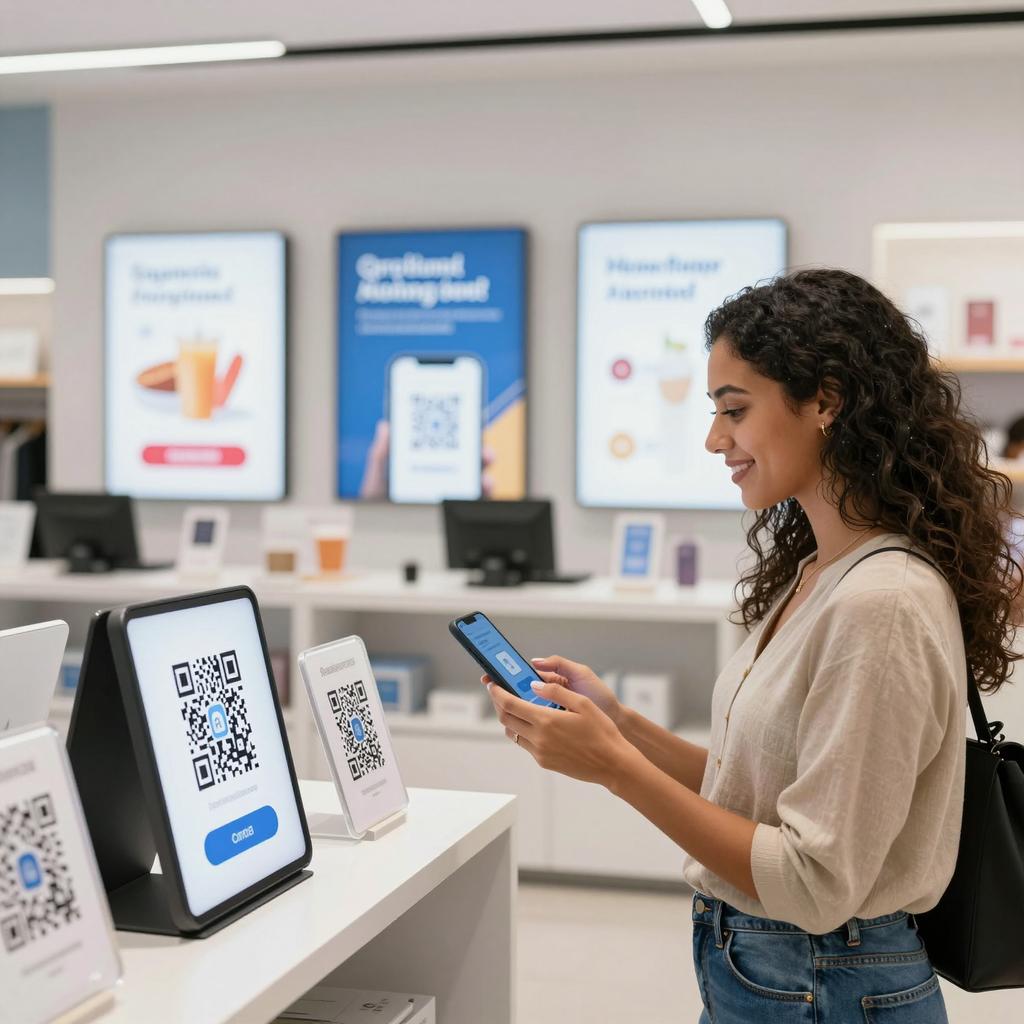
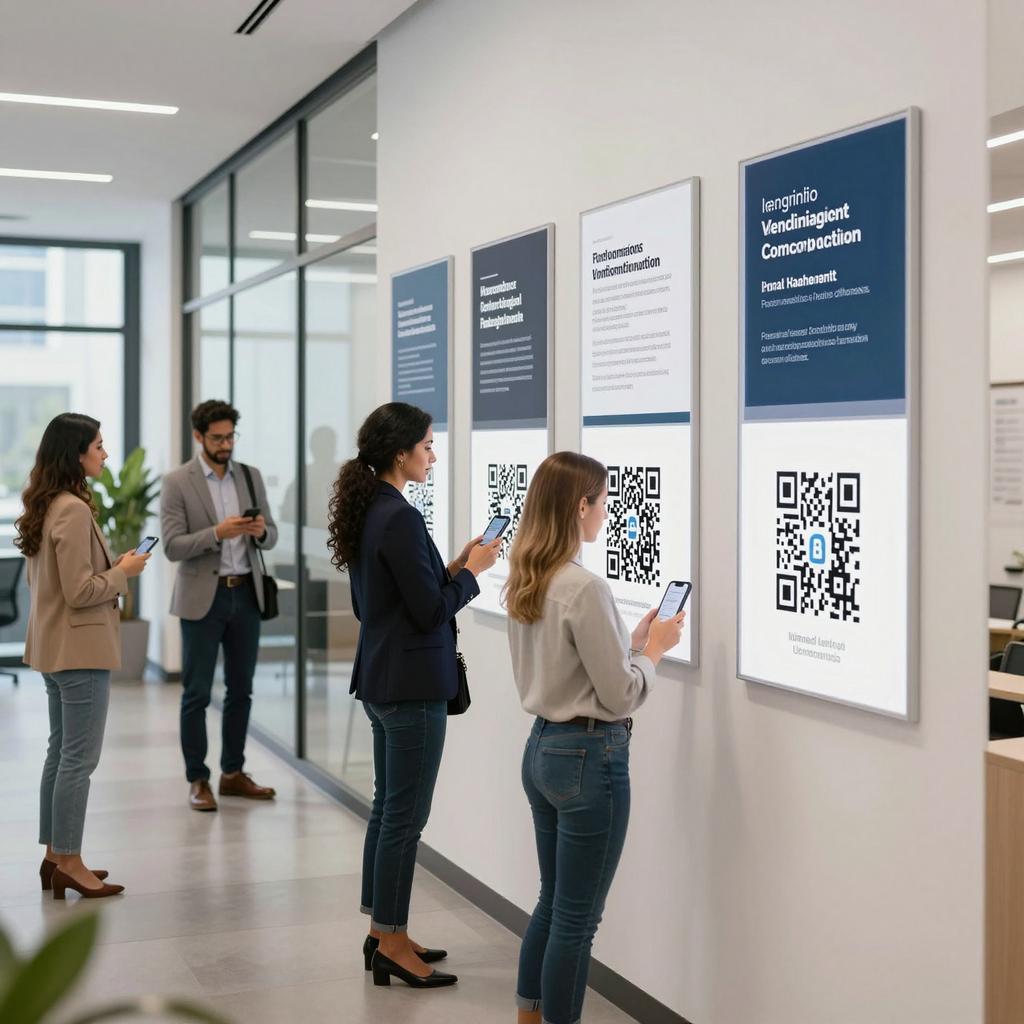
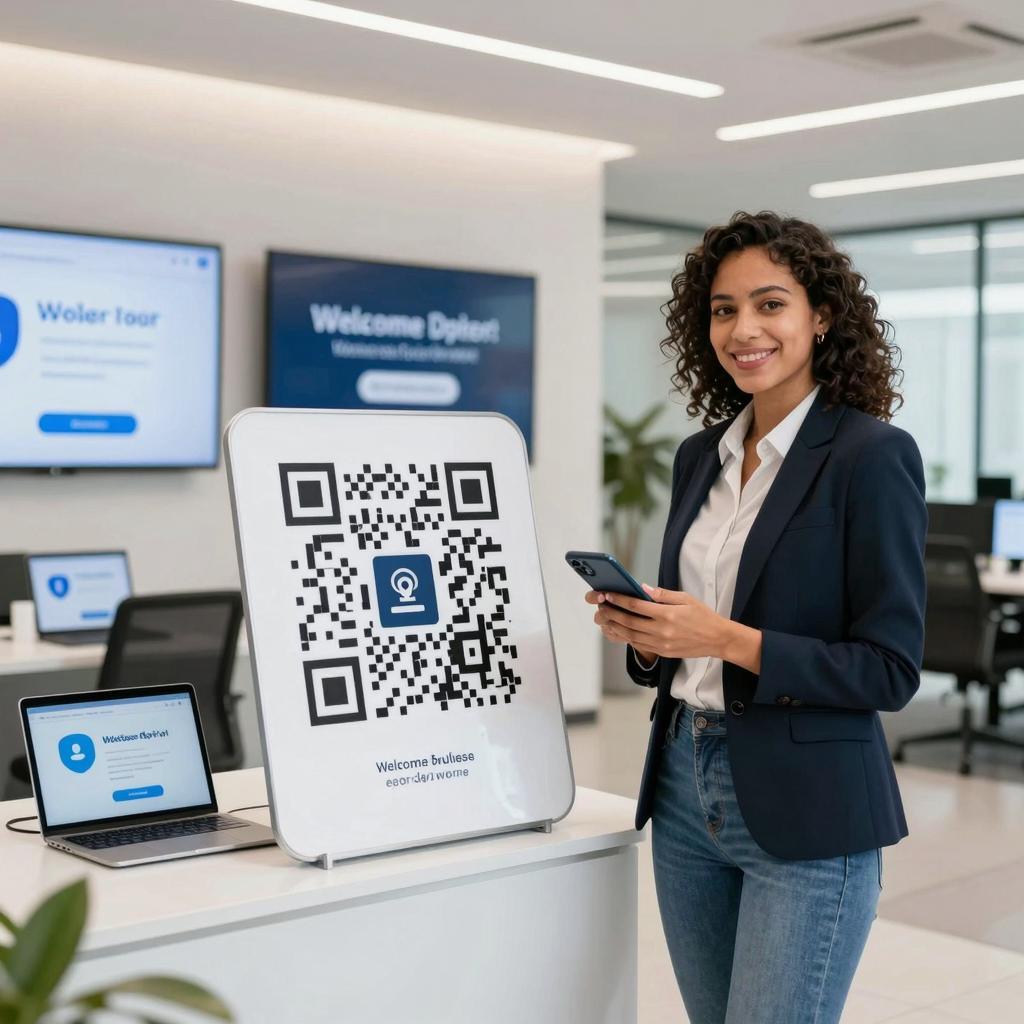
In-store QR codes convert fleeting interest into long-term relationships. Use them to trigger BOPIS flows, enroll shoppers into loyalty at checkout, initiate mobile self-serve returns, collect first-party preferences, or save a cart for later. For practical execution ideas, see Shopify guidance on using QR codes in retail, which illustrates how shelf talkers, window displays, and receipts can bridge store traffic to digital journeys you can remarket against.
An Implementation Playbook You Can Execute
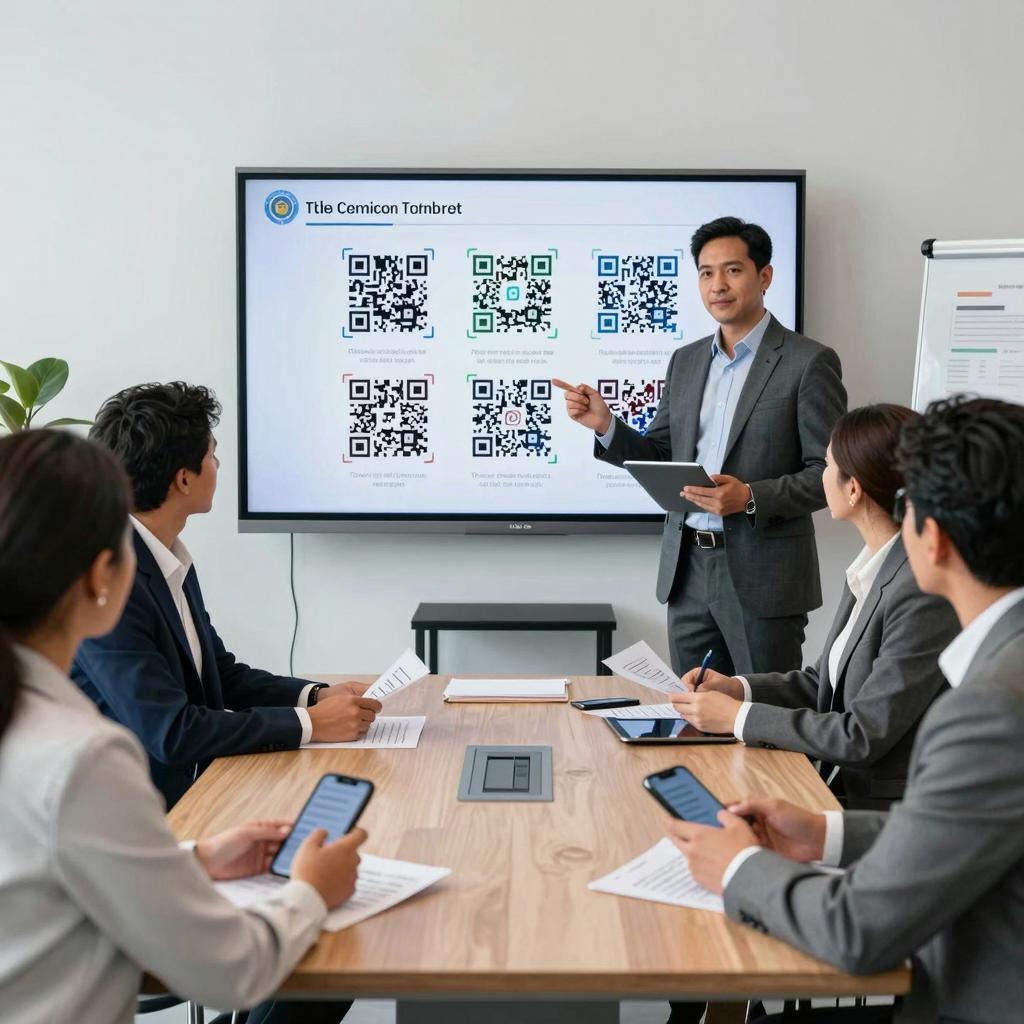
Start with dynamic QR codes so destinations can be updated without reprinting. Standardize UTM parameters and append location or fixture IDs for attribution. Map each code to a specific job-to-be-done (learn, configure, transact, support) and design micro-journeys accordingly. Integrate scans into your CDP/CRM in real time, trigger on-site personalization for return visits, and connect to marketing automation so scans feed offer suppression, sequencing, and lookalike modeling.
Build the Data and Attribution Backbone
Treat scans like high-intent events. Capture where, when, and on what asset the scan occurred, then resolve to identity via consented email or loyalty ID. Attribute assisted conversions by stitching scan data with point-of-sale and ecommerce orders. For broader strategy context on store–digital blending, review McKinsey perspectives on omnichannel retail, which highlight how integrated in-store and online signals shape customer experience and operational decisions.
Governance, Security, and Trust by Design
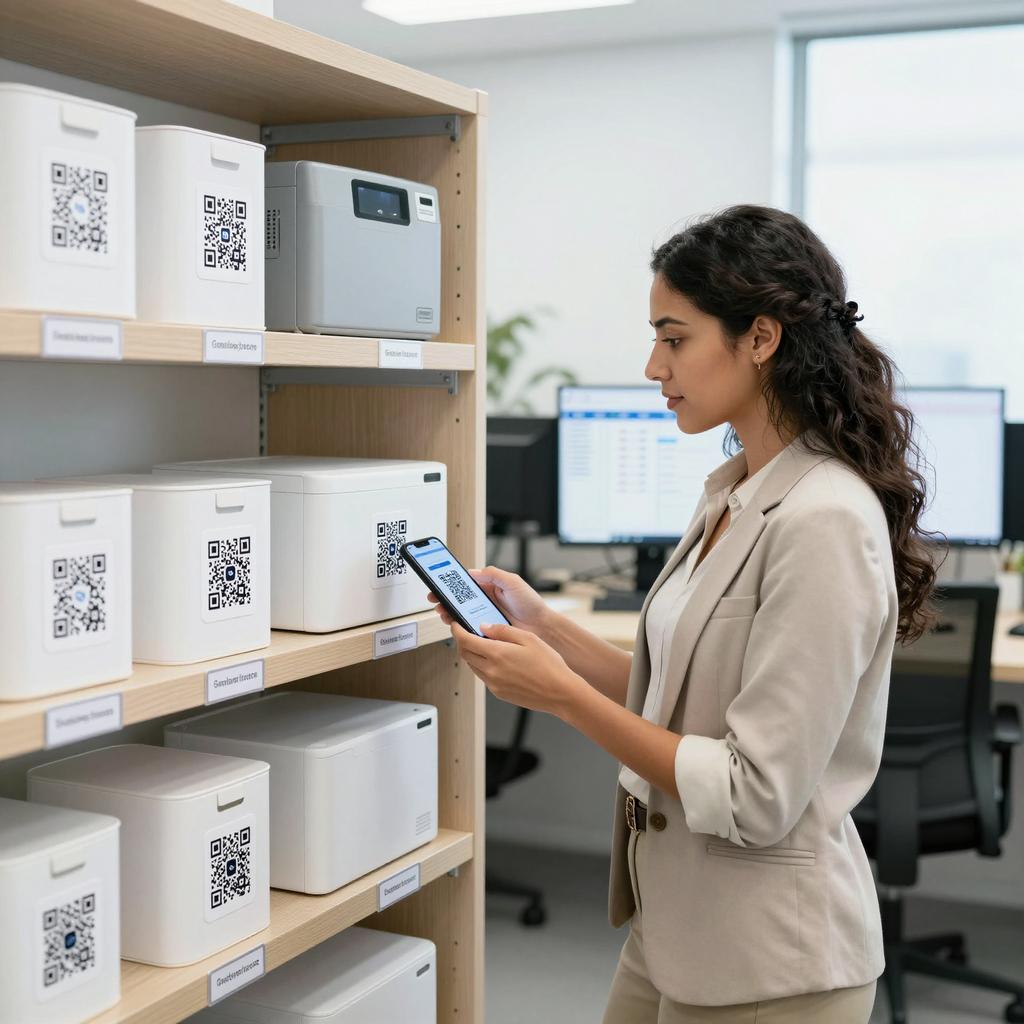
Establish a code registry to prevent duplication, mandate secure redirect domains, and implement automated link health checks. Protect against spoofing with branded short domains and on-pack anti-tamper markers. Embed consent and clear value exchange for data collection. Make QR experiences accessible with readable code sizes, high contrast, and alt text. Finally, monitor performance continuously and sunset underperforming journeys to keep the experience fast, safe, and relevant.
The Bottom Line: Measure, Learn, Scale
QR codes are not a gimmick—they’re practical digital transformation tools that make omnichannel measurable and personal. Start with high-intent use cases, prove lift with clear KPIs (scan-to-signup, scan-to-cart, store-assisted conversions), and then scale across fixtures, packaging, and receipts. By turning physical moments into intelligent digital touchpoints, retailers unlock modern marketing strategies that respect privacy, reduce friction, and ultimately unify online and offline into one continuous, customer-centric journey.