The QR Code Fatigue Problem: Preventing Scanner Burnout
Why QR Code Fatigue Is Rising
Cognitive Overload and Context Gaps
QR codes in business surged as convenient digital transformation tools, but overuse and poor execution have triggered a real consumer response: scanner burnout. People are asked to scan for menus, payments, surveys, sign-ups, and app installs—often with little context or payoff. When scans lead to slow, cluttered, or irrelevant destinations, users learn to ignore them, eroding a once-novel tactic that should power modern marketing strategies, not frustrate them.
Most fatigue stems from friction we control: unclear value propositions, weak visual hierarchy, mandatory app downloads, and dead ends after the scan. Usability research consistently recommends clarity and minimal effort, such as stating exactly what users get and ensuring mobile-optimized destinations; see Nielsen Norman Group’s QR code usability guidelines for practical best practices: Nielsen Norman Group’s 13 QR code usability guidelines.
Trust Debt and Security Fatigue
Make Scanning Feel Safe
Security concerns accelerate fatigue: users can’t visually verify where a QR leads, and tampered stickers are common in public spaces. The FBI’s Internet Crime Complaint Center warns about QR codes used for phishing and payment fraud—evidence that low trust directly suppresses scans. Share safety cues (branded short domains, HTTPS, recognizable brand context) and reference public guidance to build confidence, such as the FBI IC3 public service announcement on malicious QR codes.
Zero-Trust UX for the Physical World
Adopt a zero-trust mindset for code placement and handling. Use tamper-evident materials, unique codes per location, and visible last-updated dates to signal authenticity. Mirror the destination URL in human-readable form near the code, and let users choose alternatives (NFC, short URL) to avoid forcing a scan. If you collect data, display concise privacy notices pre-scan and reinforce them post-scan; the more predictable and respectful the flow, the lower the fatigue.
Design for Speed and Value
Context, Clarity, and Choice
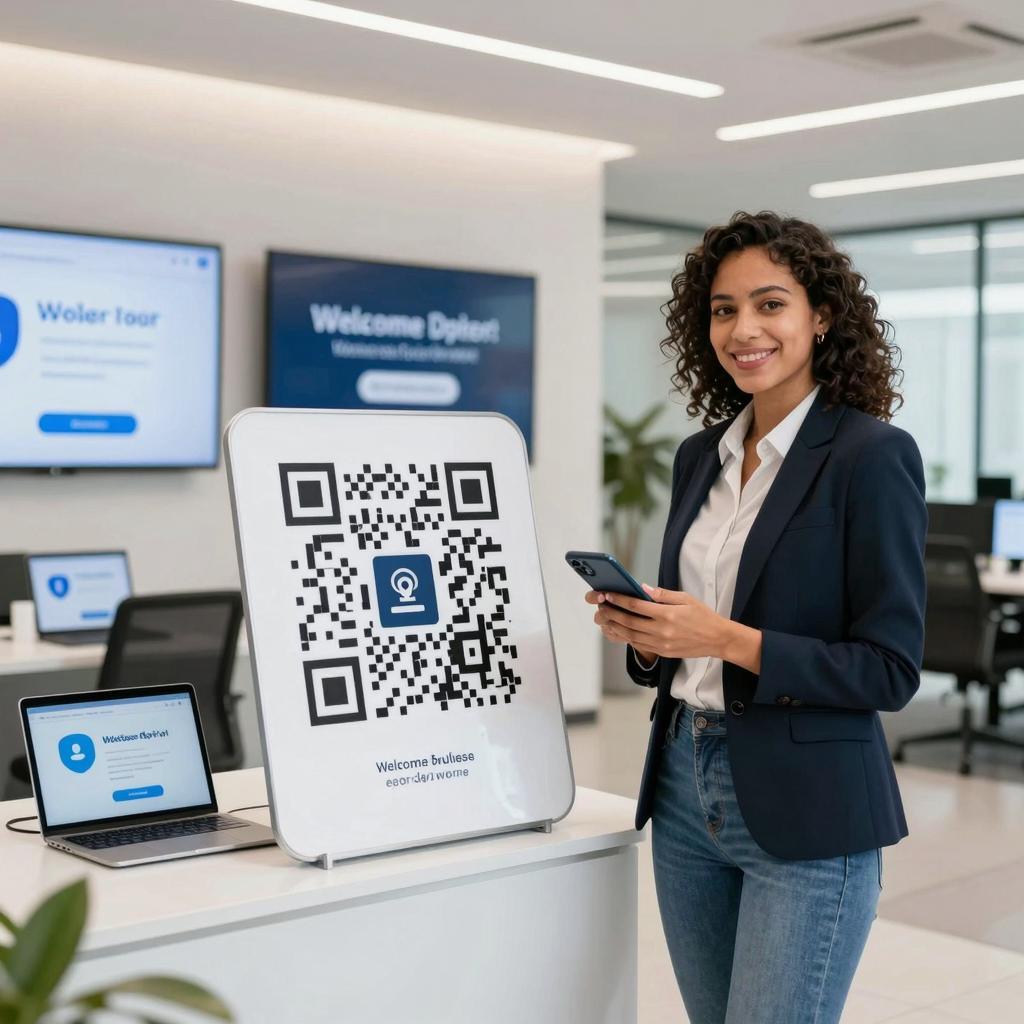
Every QR should answer three questions at a glance: What will I get? How long will it take? Why now? Lead with benefit-driven copy (“Get 10% off today—30-second signup”), a recognizable brand mark, and a clear call to action. Keep the journey lightweight: instant load, no mandatory apps, minimal fields, and auto-fill where possible. When QR codes in business consistently save time or money, they feel like modern marketing strategies worth engaging—not chores to avoid.
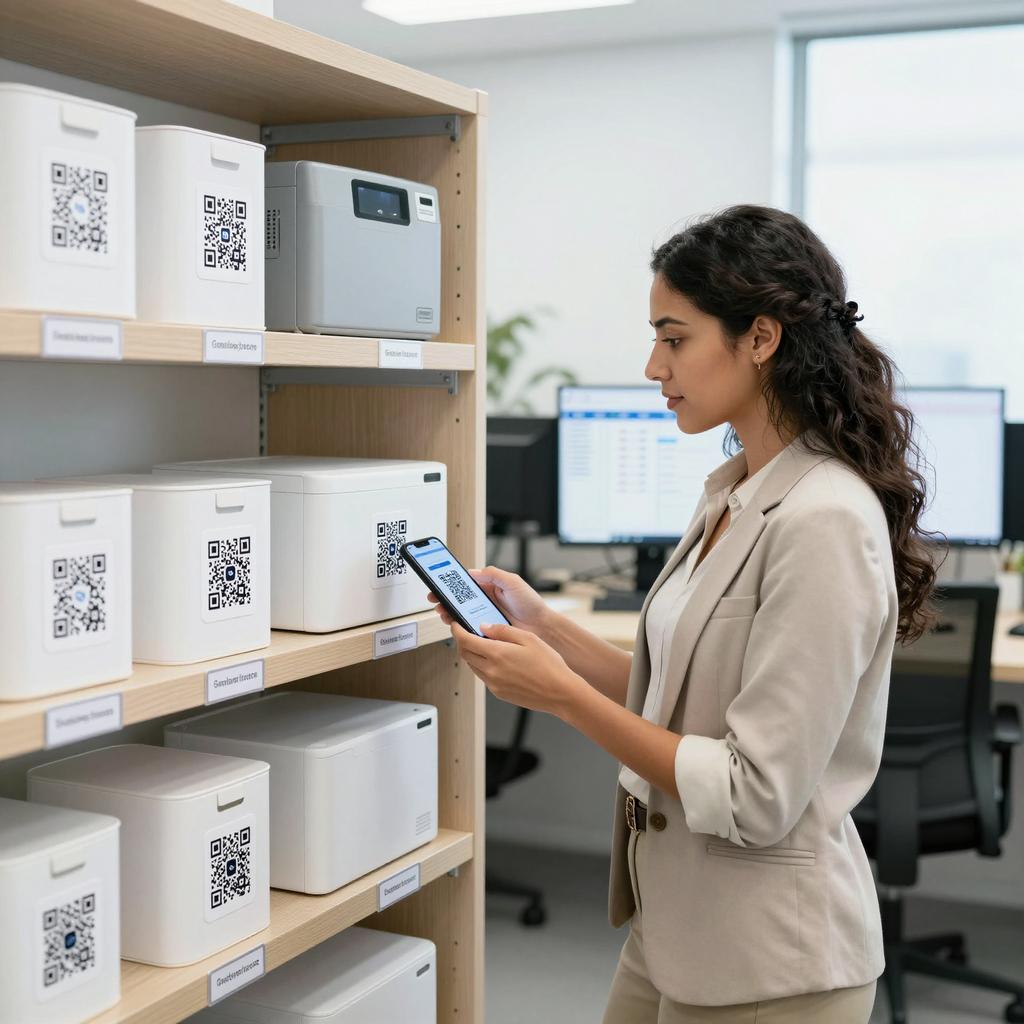
Anchor the scan to an immediate moment of value. In physical retail, tie codes to shelf-level comparisons, back-in-stock alerts, or loyalty boosts at checkout. In B2B, use them on event booths or print collateral to deliver demos, pricing calculators, or calendar scheduling—fast. Always provide choice: the same outcome should be reachable via QR, short URL, or a quick SMS keyword so users never feel trapped in a single interaction mode.
Operate and Measure Like a Product
Frequency, Placement, and KPIs
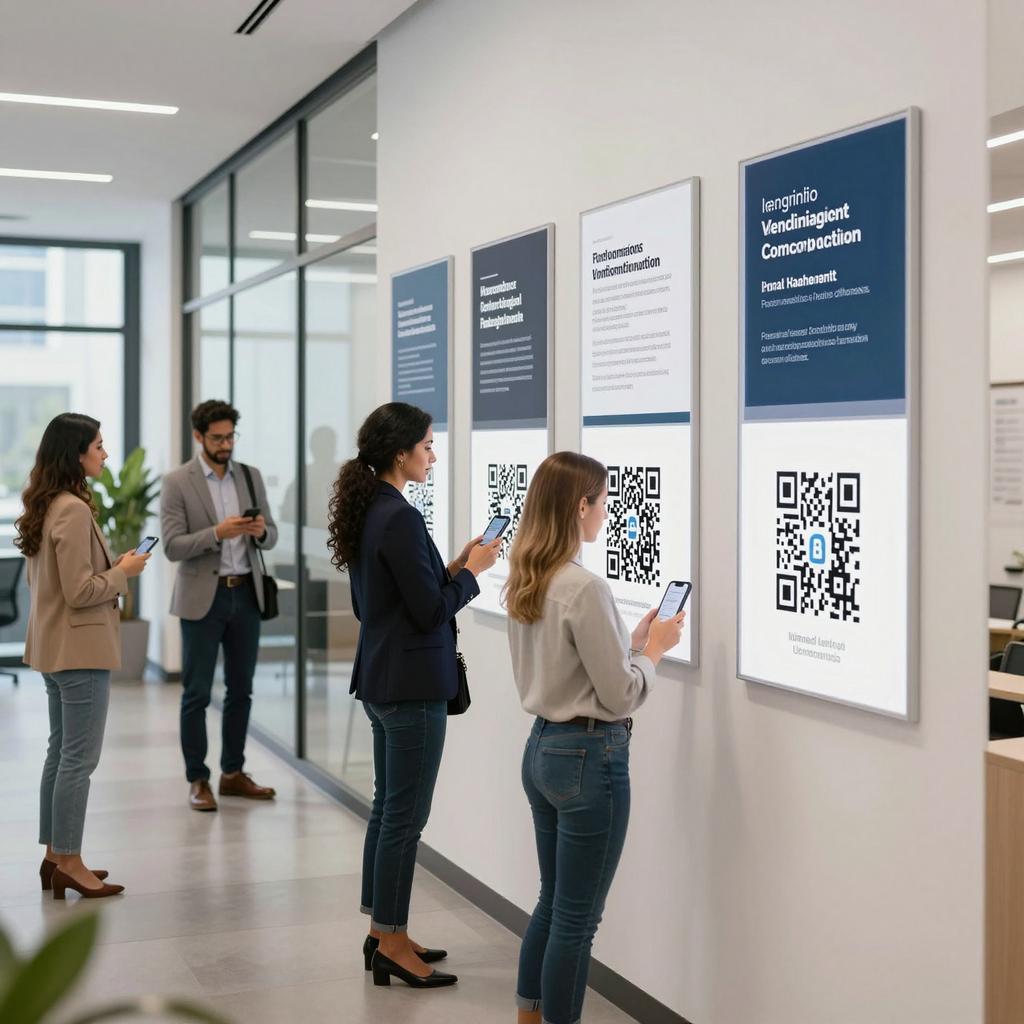
Prevent burnout with frequency capping and purposeful placement. Audit environments where multiple QR codes compete for attention and consolidate journeys into one high-value destination per context. Standardize patterns (placement, visual framing, copy length) so users instantly “recognize and trust” your codes. Train staff to reinforce the benefit verbally at the point of decision; human prompts can overcome hesitation and increase first-time scan confidence.
Manage QR experiences like a product funnel. Track scans-to-landing-load, bounce, time to value, and completion rates; segment by location, device, and campaign. A/B test context copy (“Scan to join Wi‑Fi in 10 seconds” vs. “Fast, secure Wi‑Fi—no app needed”), streamline steps, and continuously retire low-performing codes. The takeaway: treat QR as a living service, not a static sticker—reduce friction, prove value fast, and earn trust to beat fatigue and keep your digital transformation tools working hard for the business.