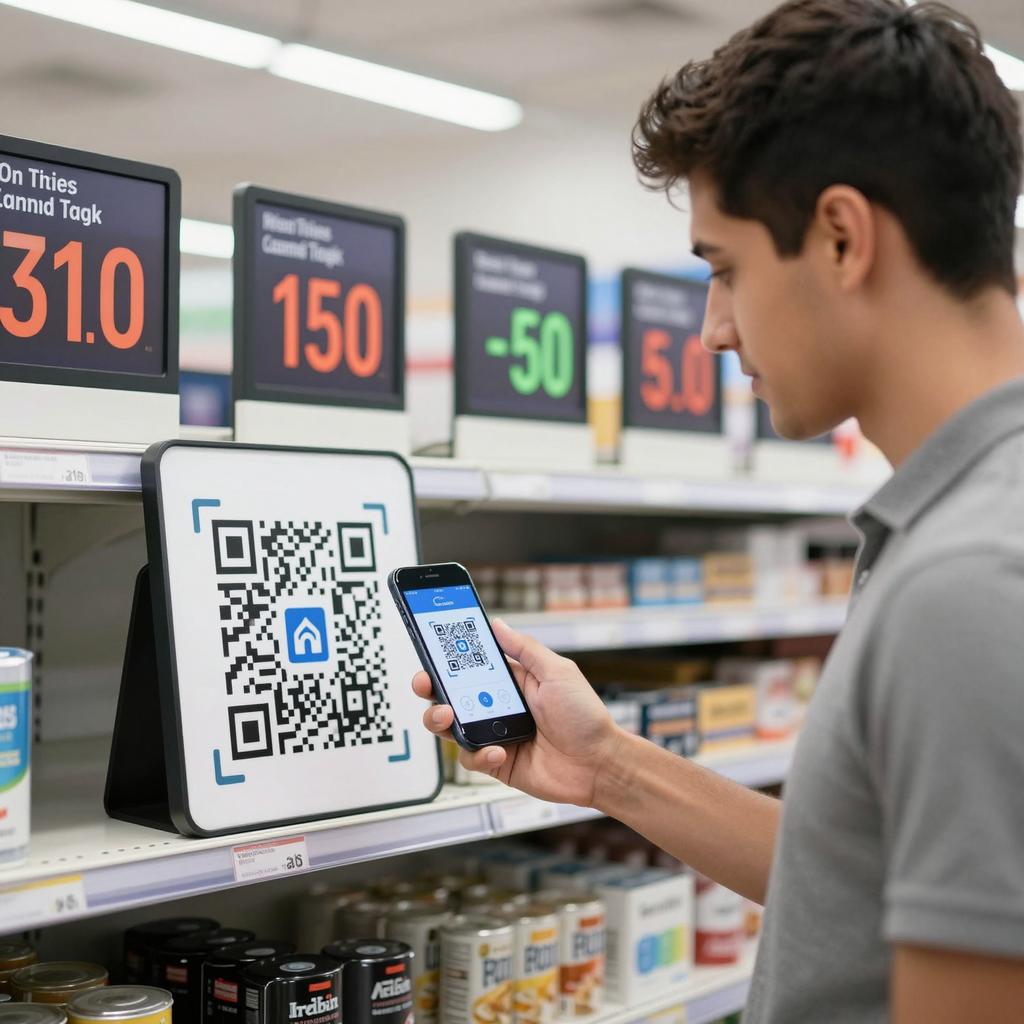
Dynamic Pricing with QR Codes: Real-Time Price Adjustments
Dynamic pricing with QR codes is emerging as one of the most practical digital transformation tools for retailers and brands: it connects a shopper’s scan to a live pricing engine, enabling accurate, compliant, and context-aware price updates at the moment of consideration. For leaders focused on QR codes in business and modern marketing strategies, this approach blends transparency, agility, and measurable impact without overhauling every shelf edge overnight.
What is dynamic pricing with QR codes?
In simple terms, a product’s on-pack or shelf QR points to a live resource that returns the current price and offer logic based on inventory, location, time, and demand signals. Rather than hardcoding a static URL, teams map each code to a structured product identifier and pricing service. The result is a single scan that retrieves authoritative information while also supporting promotions, loyalty, and service messages—an accessible on-ramp to dynamic pricing that complements point-of-sale rules and signage.
How GS1 Digital Link enables real-time updates
Standards matter when prices and product data must be consistent across channels. The GS1 Digital Link standard turns traditional identifiers (like GTINs) into web addresses, so one QR can route to the right, up-to-date content for a given context. This standards-based routing reduces friction between brand sites, retailer systems, and third-party apps—establishing a backbone for accurate price retrieval, safety notices, and offers from a single code.
The role of AI price engines
Dynamic pricing works best when fed by a disciplined analytics engine that understands elasticity, competitive signals, and business constraints. As outlined by McKinsey on dynamic pricing, AI-driven approaches can optimize margins and customer value when paired with clear guardrails (e.g., floor/ceiling rules, competitor sanity checks, and fairness policies). QR scans act as a lightweight, real-time touchpoint to expose these decisions transparently—especially useful for localized, time-bound, or inventory-sensitive price logic.
Store execution: from shelf to phone
Retailers don’t need to wait for a full ESL rollout to act. Shelf talkers, packaging, or smart signage can carry a standards-compliant code, while an orchestration layer resolves to the right content and price in milliseconds. GS1 has documented how one code can surface the latest product details across touchpoints, as seen in its guidelines enabling instantly updated product data via a single barcode scan. This lets teams pilot dynamic pricing experiences in select aisles or regions before scaling to electronic shelf labels.
Benefits, risks, and rollout roadmap
Benefits include faster promotion execution, fewer price mismatches, higher conversion at the shelf, and richer attribution for modern marketing strategies (e.g., measuring uplift from localized offers). Start with a narrow use case—seasonal items or overstock—then expand to high-velocity SKUs. Mitigate risks with clear governance: lock prices at checkout once scanned, respect advertised price rules, log audit trails, and design exception paths for outages or price disputes.
Governance, transparency, and customer trust
Customers accept dynamic pricing when it feels fair and intelligible. Offer time stamps, plain-language qualifiers (e.g., loyalty-only or limited-time), and accessible policies in the experience flow. Establish cross-functional oversight for models and constraints; thought leadership such as McKinsey’s work on AI pricing governance and impact underscores the importance of controls, monitoring, and explainability—principles that apply equally to retail price agility.
Conclusion
QR-enabled dynamic pricing unites standards, analytics, and shopper experience into a pragmatic path for price agility—no massive replatforming required. By anchoring your approach in GS1-compliant identifiers, an auditable pricing brain, and transparent consumer journeys, you can turn QR codes in business from a novelty into a dependable lever for growth. Start small, state the rules, measure outcomes, and refine: that’s how digital transformation tools become durable capabilities rather than experiments.