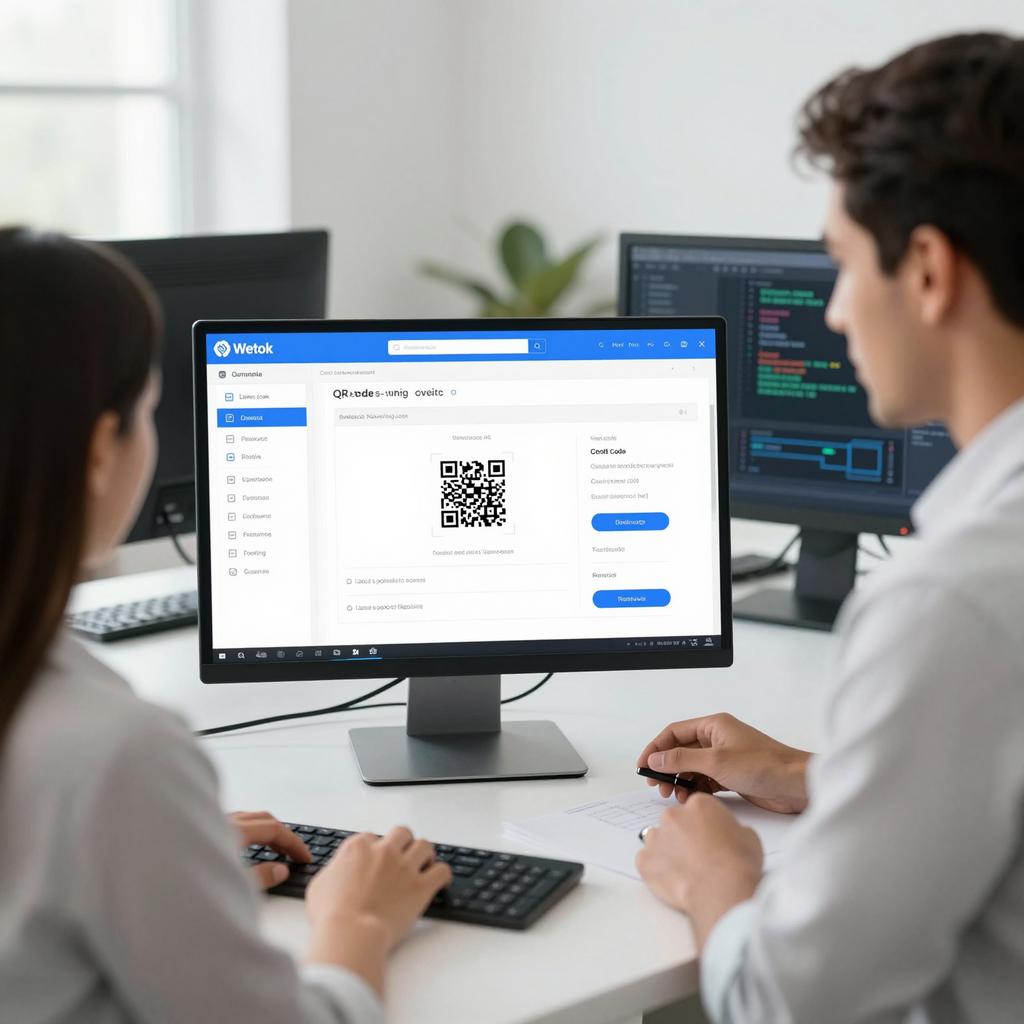
Webhook Management for QR Campaigns: Automating Actions Post-Scan
Foundations of Post-Scan Webhook Automation
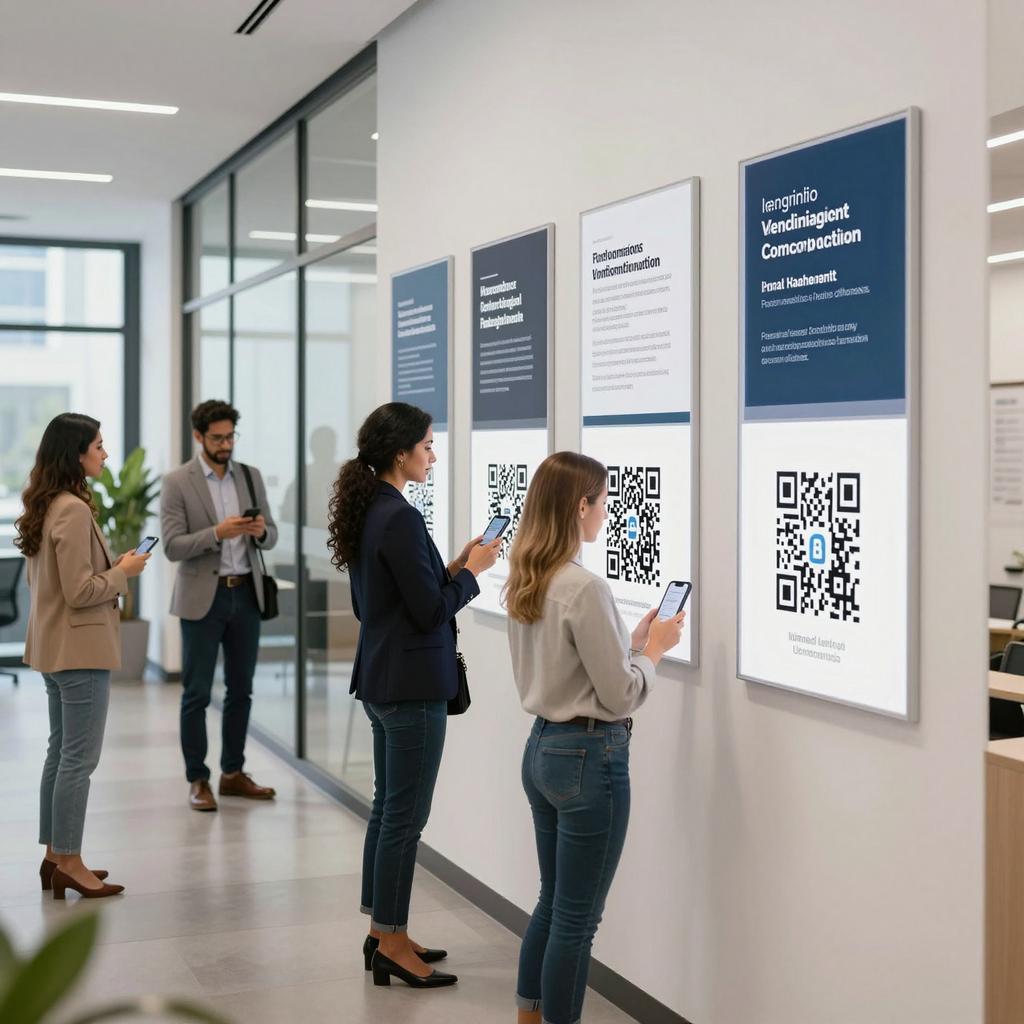
QR codes in business have evolved from static links into triggers for real-time, measurable customer journeys. The moment a customer scans, webhooks can fire behind the scenes to enrich profiles, launch personalized content, and update downstream systems—turning QR scans into dependable data flows. Framed as digital transformation tools, well-managed webhooks help brands move from one-off QR interactions to modern marketing strategies that scale, attribute, and optimize every post-scan action.
At a high level, the flow looks like this: a user scans a campaign QR and lands on a fast, mobile-optimized destination, while your QR platform (or your own edge redirector) emits an event to your webhook endpoint. That webhook call is the operational heartbeat—carrying scan metadata (campaign, timestamp, device, location if consented) to your services for routing. Keep the user experience snappy by separating the redirect (synchronous) from the automation (asynchronous), acknowledging webhook requests quickly (2xx) and pushing the heavy lifting into workers and queues.
Reliability by design: retries, queuing, and idempotency
Reliable post-scan automation demands defensive engineering: accept the webhook quickly, enqueue work, process idempotently, and handle retries deterministically. Many providers document retry behaviors and payload shapes—for instance, Twilio’s webhook request model explains parameters, timeouts, and verification steps that inform robust handlers. See Twilio’s guidance in Twilio’s webhook guide (https://www.twilio.com/docs/usage/webhooks) to design for transient failures, request ordering, and graceful degradation without losing events.
Security and trust: signatures, HTTPS, and replay protection
Every post-scan automation pipeline must be secure by default. Enforce HTTPS, validate request signatures, use constant-time comparisons, and reject stale timestamps to prevent replay attacks. A mature reference is Stripe’s webhook security guidance, which details signature verification and tolerance windows you can model in your own services; review Stripe’s webhook signature verification practices (https://docs.stripe.com/webhooks) to inform policies like rotating secrets, origin validation, and strict 2xx-only acknowledgments.
Data enrichment standards that make scans smarter
Webhooks become far more valuable when scan events carry structured product or campaign context. For packaged goods and retail, the GS1 Digital Link standard encodes identifiers (like GTIN, lot, and expiry) into a web-friendly URI, enabling smarter routing and content without reprinting codes. Explore how the GS1 Digital Link standard elevates QR journeys (https://www.gs1us.org/industries-and-insights/standards/gs1-digital-link) to connect scans with inventory, recalls, traceability, and tailored content—fuel for automation rules in CRM, CDP, and commerce systems.
Turning Scans into Measurable Business Outcomes
With the plumbing in place, post-scan webhooks can drive outcomes marketers and operators care about: enrich customer profiles in your CDP, trigger SMS or email journeys for on-boarding, unlock loyalty points or coupons at the moment of intent, open support tickets with device metadata, or flag potential stock-outs when scans spike in a region. This is where QR codes in business intersect with modern marketing strategies—using real-time signals to personalize content, compress paths to purchase, and attribute offline engagement to revenue.
An implementation blueprint looks like this: define your event contract (fields, PII boundaries, consent flags), provision a secure endpoint with signature verification, acknowledge fast and offload to a queue, apply an idempotency key on each event, and route via a rules engine to CRM, marketing automation, analytics, or commerce services. Add observability—structured logs, metrics, traces—and establish error budgets and replay tooling. Finally, test end-to-end with staging scans, chaos (latency) injection, and load tests so your digital transformation tools remain resilient during peak campaigns.
Bottom line: webhook management is the connective tissue that turns QR scans into dependable, real-time business signals. Treat it as a product—secure, observable, and resilient—and your post-scan automations will compound value across personalization, attribution, and operations. Start with a narrowly scoped pilot, align success metrics with revenue or cost savings, and iterate; the brands that operationalize webhooks well will set the pace for modern marketing strategies grounded in measurable outcomes.