User-Generated Content Campaigns Powered by QR Codes
QR codes in business have evolved from utility to strategy, becoming digital transformation tools that transform everyday touchpoints into shareable moments. When a scan opens a branded, mobile-first flow for photos, reviews, or short videos, brands capture authentic voices at the exact moment of use—fueling modern marketing strategies with social proof, first-party data, and measurable engagement.
Why QR Codes Are the New UGC Bridge
The magic of QR-led UGC is the collapse of friction. A well-placed code on packaging, signage, or receipt takes customers from offline context to an instant submission experience. Practical playbooks already exist: Bitly outlines how to collect user-generated content with QR codes across touchpoints, while Adobe shares creative QR code ideas for marketing that blend scan journeys with social sharing and analytics. Together, these approaches turn routine interactions into content engines.
Frictionless Capture at the Moment of Delight
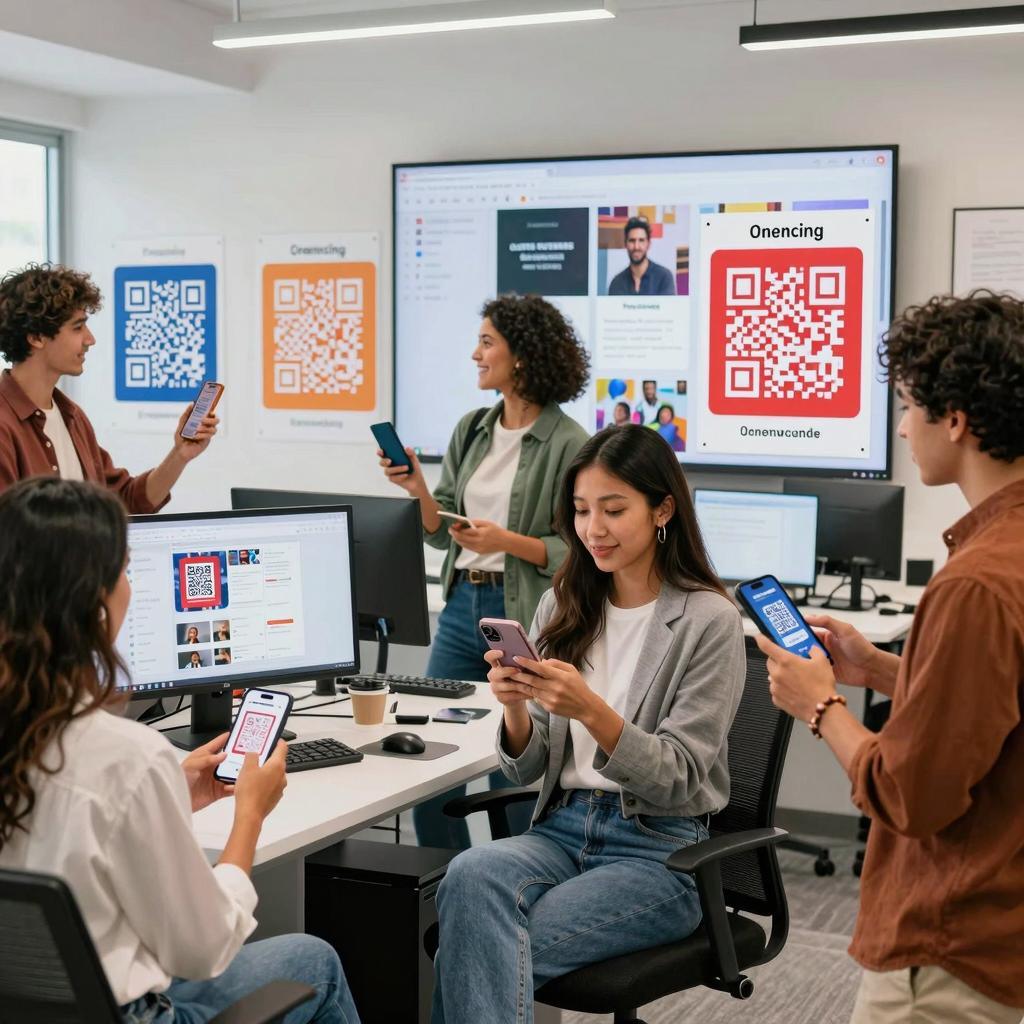
Most UGC dies in the gap between intent and action. QR codes close that gap. Dining tables, unboxing inserts, event lanyards, and product labels can trigger scan-to-share moments when emotions are highest. A single scan can open a lightweight camera flow, guidelines, and examples—no app required—so customers can submit content in under a minute, right where the story happens.
First-Party Data and Attribution Clarity
Unlike social-only asks, QR flows can include consented first-party fields and UTM tagging for precise attribution. Dynamic codes let teams rotate destinations, localize per store, or A/B test incentives. With unique codes per placement, you can finally see which shelf, poster, or package design drives the most submissions and downstream conversions, informing smarter budget allocation.
Building a QR-Led UGC Engine
Where to Place and How to Design
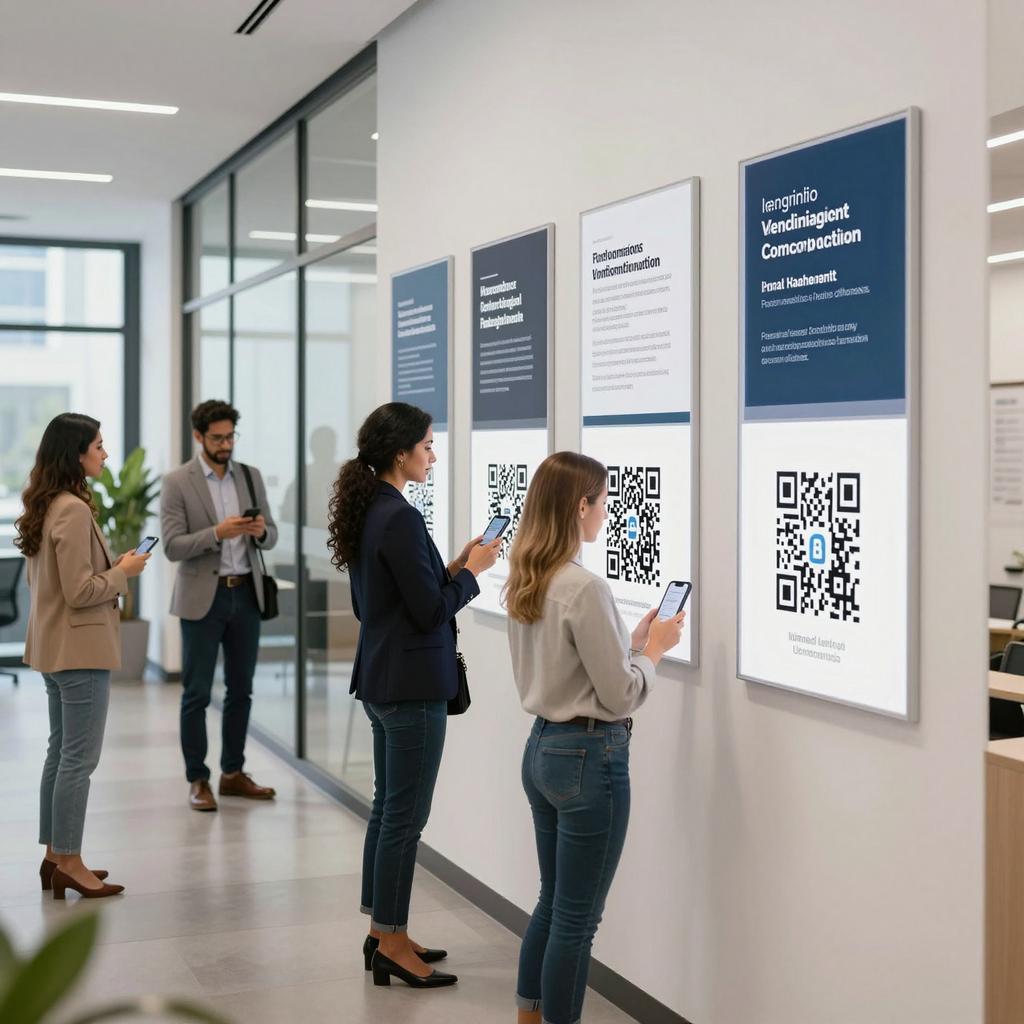
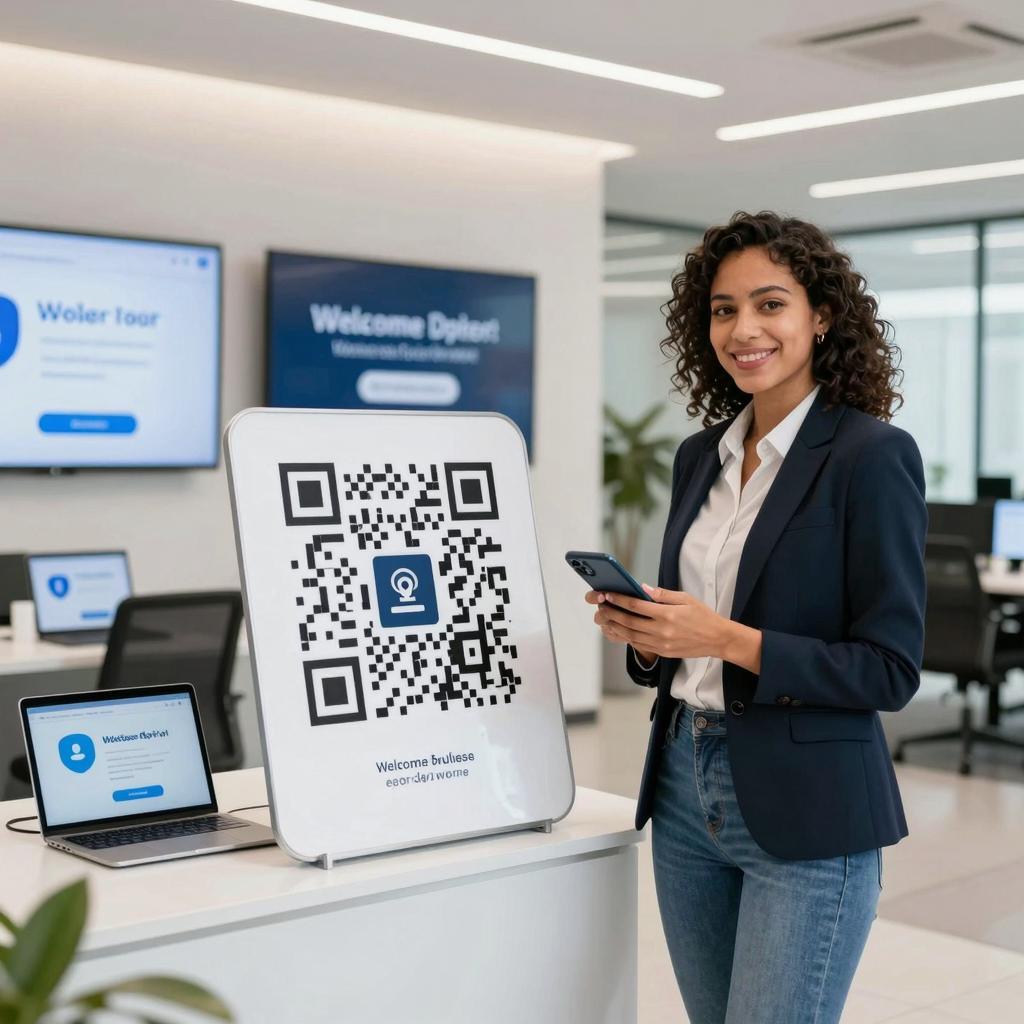
Prioritize high-intent touchpoints: product packaging, delivery bags, kiosks, waiting areas, and event check-ins. Make your code scannable at a glance—adequate size, strong contrast, a clean quiet zone, and a short, on-code CTA like “Share your setup” or “Show us your first sip.” Brand the frame, add a compelling micro-incentive, and ensure fast-loading destinations with edge caching.
Crafting the Scan-to-Share Journey
Lead to a mobile landing page that sets expectations, requests permissions transparently, and makes contribution effortless: one-tap camera access, pre-filled hashtags, optional templates, and clear usage rights. Offer flexible paths—upload a photo, record a 10-second clip, or leave a short review—so creators of all comfort levels can participate. Confirmation screens should encourage social sharing and provide unique referral links or loyalty points.
Governance, Incentives, and Trust
UGC works only when participants feel respected and safe. Provide concise terms covering rights management, moderation standards, and where content will appear. Use human-in-the-loop review for brand safety and accessibility checks (e.g., alt text prompts). Incentives should reward creativity without bias—think tiered recognition, early access, or charity donations—while maintaining compliance with local sweepstakes laws.
The Bottom Line
QR-powered UGC aligns with modern marketing strategies by uniting physical touchpoints, fast mobile UX, and measurable outcomes. As digital transformation tools, QR codes operationalize authenticity: they reduce friction, grow first-party data, and deliver attribution that teams can act on. Start with one hero moment—like packaging or point-of-sale—prove the model, then scale your QR placements and incentives to turn everyday interactions into an always-on content flywheel.