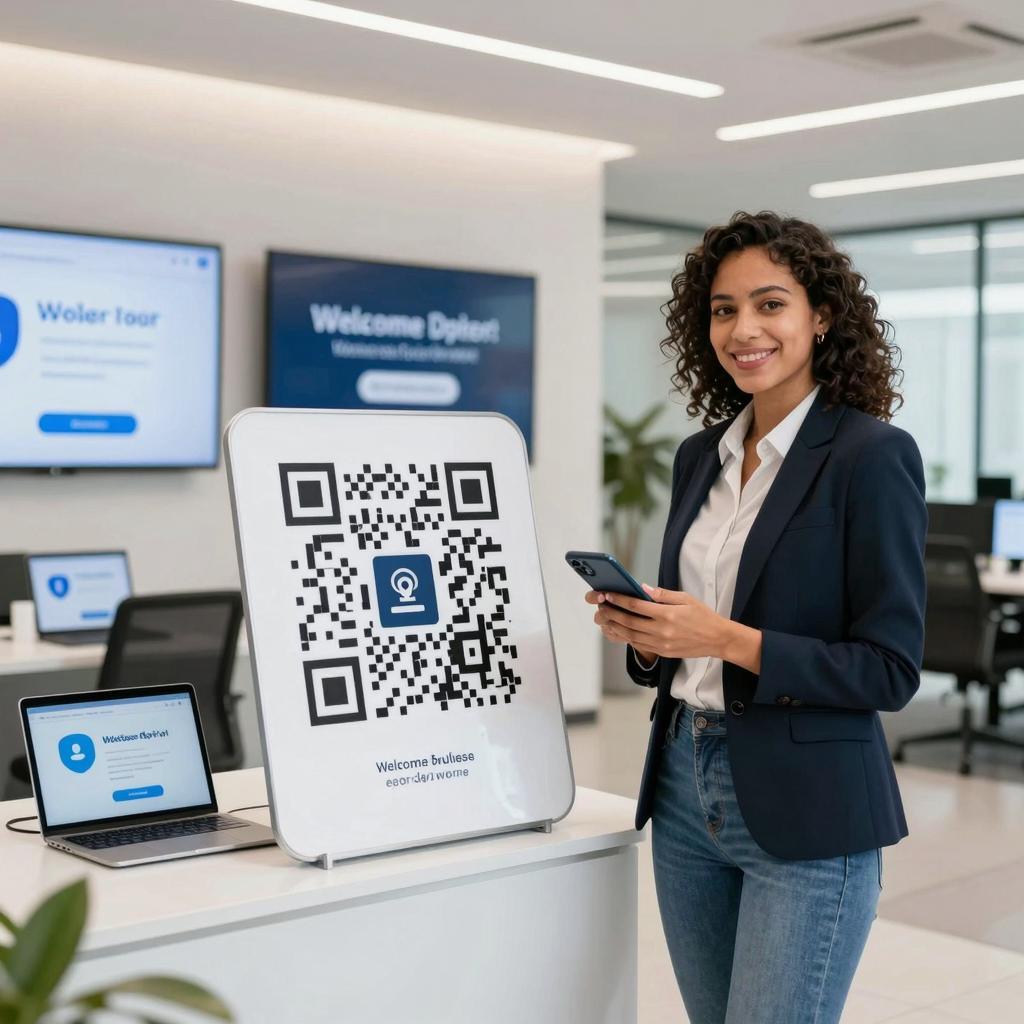
Travel & Tourism: QR Codes for Contactless Experiences
The contactless customer journey is now table stakes
In travel and tourism, guest expectations have shifted from novelty to necessity: contactless is assumed, not applauded. QR codes in business now anchor that expectation by turning static moments into instant digital services—boarding details, room access, menus, tickets, guides, and support—while feeding modern marketing strategies with real-time intent data. Industry bodies echo this trajectory; see UN Tourism guidance on digital tools to revitalize visitor experiences, which frames contactless features as catalysts for inclusive growth and smarter destinations.
From discovery to check-in: QR codes as the connective thread
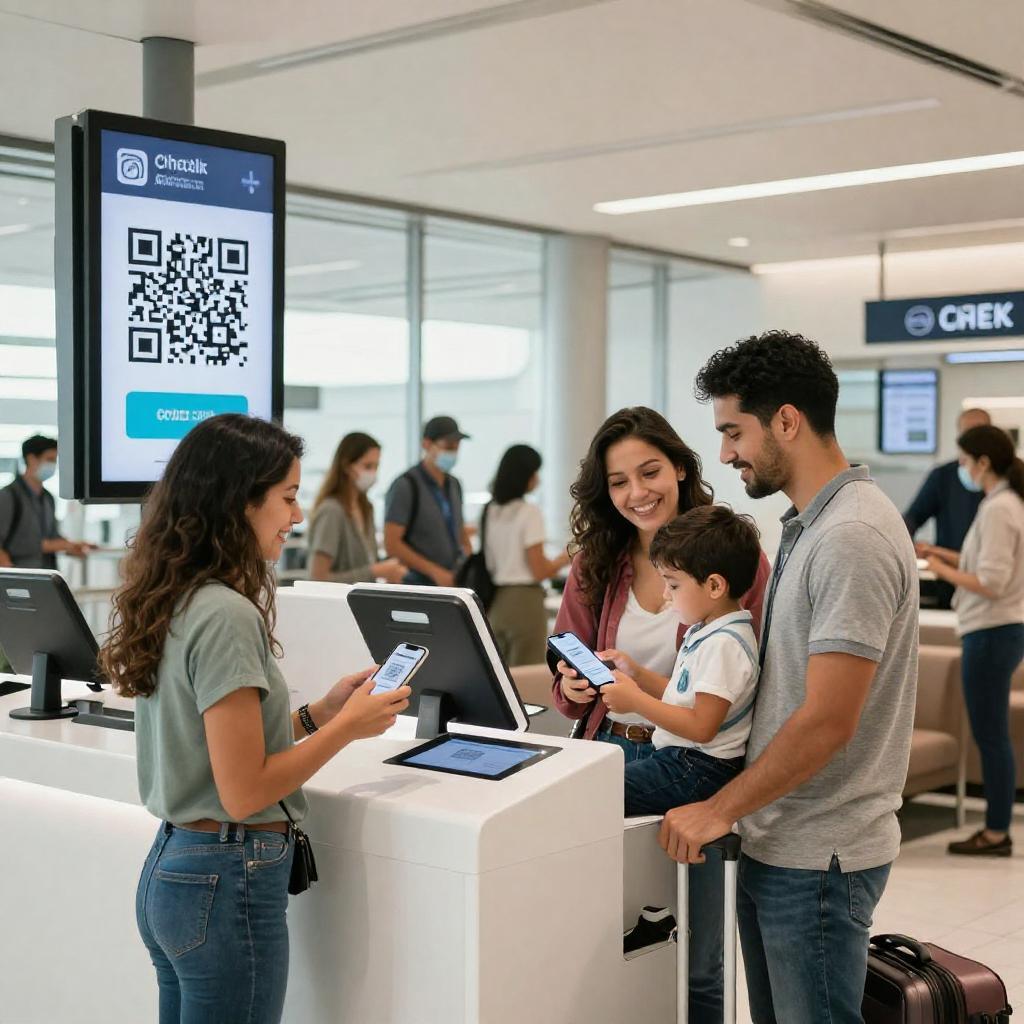
QR codes function as pragmatic digital transformation tools across the journey: scan-to-save offers in destination marketing, touchless check-in at hotels and attractions, time-slotted entries to balance crowds, and on-demand translations for exhibits or trails. They unify offline triggers (print, signage, kiosks) with mobile experiences, enabling retargeting, loyalty enrollment, and service recovery on the fly. Because QR codes are camera-native, they minimize app fatigue and speed adoption—ideal for travelers juggling roaming constraints, battery anxiety, and limited time.
What leading standards bodies recommend
Air travel has set a high bar for contactless flows, and tourism can borrow the playbook. IATA’s contactless travel framework emphasizes interoperability, mobile-friendly credentials, and seamless handoffs between checkpoints—principles that translate cleanly to attractions, tours, and hospitality. While biometrics and digital wallets handle identity, QR-coded passes and service triggers keep wayfinding, entitlements, and support accessible to every guest, including those who prefer not to enroll in advanced ID programs.
Operational wins beyond hygiene theater
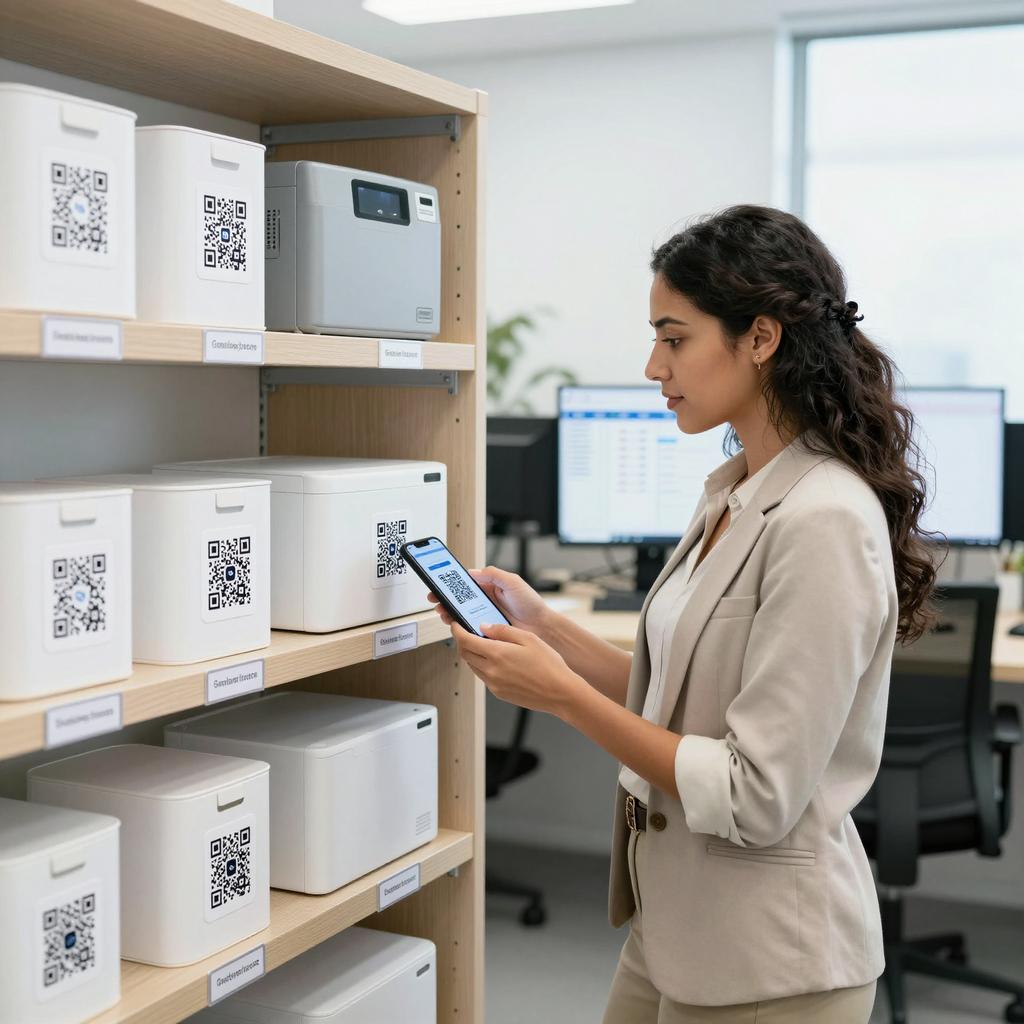
Beyond cleanliness, the business case is compelling: dynamic wayfinding and self-service flows reduce dwell times, while scan-to-queue and scan-to-book smooth peak loads without adding headcount. Paper waste drops, staff can be redeployed to high-value service, and real-time content switching lets operators merchandise add-ons in context (e.g., premium seating, audio guides, or skip-the-line upgrades). These operational gains compound with analytics—QR codes in business surface granular performance insights by location, time, and language, informing staffing, inventory, and campaign spend.
Design principles that drive adoption
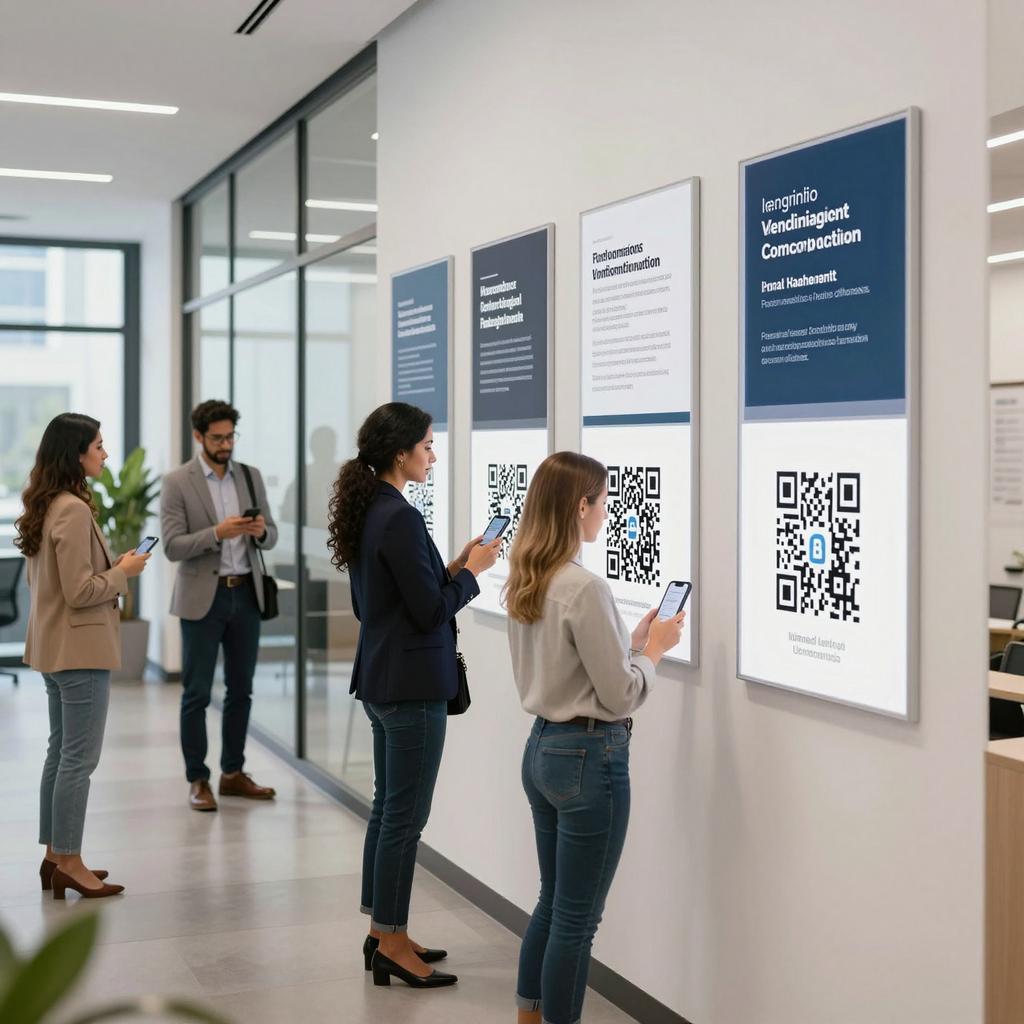
Great QR journeys are designed, not improvised. Use high-contrast placement and clear calls-to-action; keep landing pages lightweight, multilingual, and accessible; and prefer dynamic over static codes to update content without reprinting. Provide offline fallbacks (short URLs, SMS) and signage that sets expectations: what guests get, how long it takes, and whether Wi-Fi is available. Treat codes as modern marketing strategies you can A/B test—optimize creative, copy, and offers; track UTM parameters; and align incentives (e.g., scan for a map, not just a home page).
Data, privacy, and trust
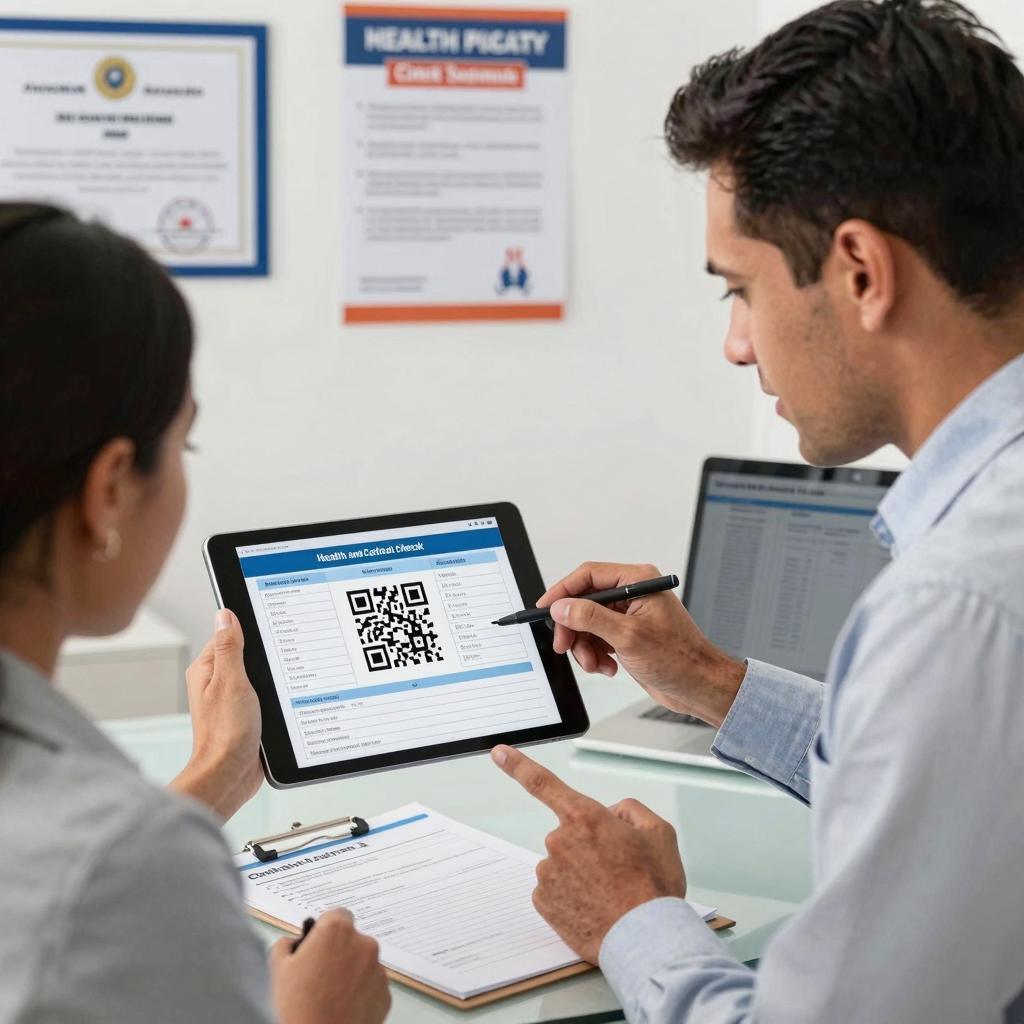
Trust is a feature. Avoid stuffing personally identifiable information into QR payloads; instead, use short tokens that resolve securely on the server. Default to data minimization, clear consent, and transparent retention windows. Publish a simple privacy notice inline with scans, and give guests control over communications. For context on traveler sentiment and adoption patterns, see IATA Knowledge Hub analysis on powering contactless travel, which underscores the importance of speed, clarity, and perceived value in digital touchpoints.
How to measure ROI with clarity
Anchor your QR program to a measurable value chain: scan-to-check-in completion, queue time reduction, staff minutes saved per transaction, digital upsell conversion, and CSAT/NPS lift for key moments (arrival, boarding, checkout). Instrument micro-conversions (e.g., map views, audio-guide starts) and attribute assisted revenue (bundle upgrades, timed-entry shifts that extend dwell time and spend). Treat codes as digital transformation tools that collapse distance between curiosity and conversion—and review performance weekly to prune low-yield placements and double down on winners.
Roadmap for small and mid-size operators
Start with a 90-day sprint: weeks 1–2, audit guest touchpoints; weeks 3–4, pilot three high-impact use cases (wayfinding, mobile check-in, and scan-to-support) with dynamic codes; weeks 5–8, optimize content, language, and placement; weeks 9–12, scale to merchandise and loyalty capture. Equip staff with quick escalation paths and train on accessibility. As mobile habits deepen—see IATA insights on the rise of the digital traveler—QR-enabled services become a durable advantage. The takeaway: QR isn’t just a pandemic relic; it’s a simple, scalable layer that turns every surface into service, aligning guest delight with operational resilience and modern marketing strategies.