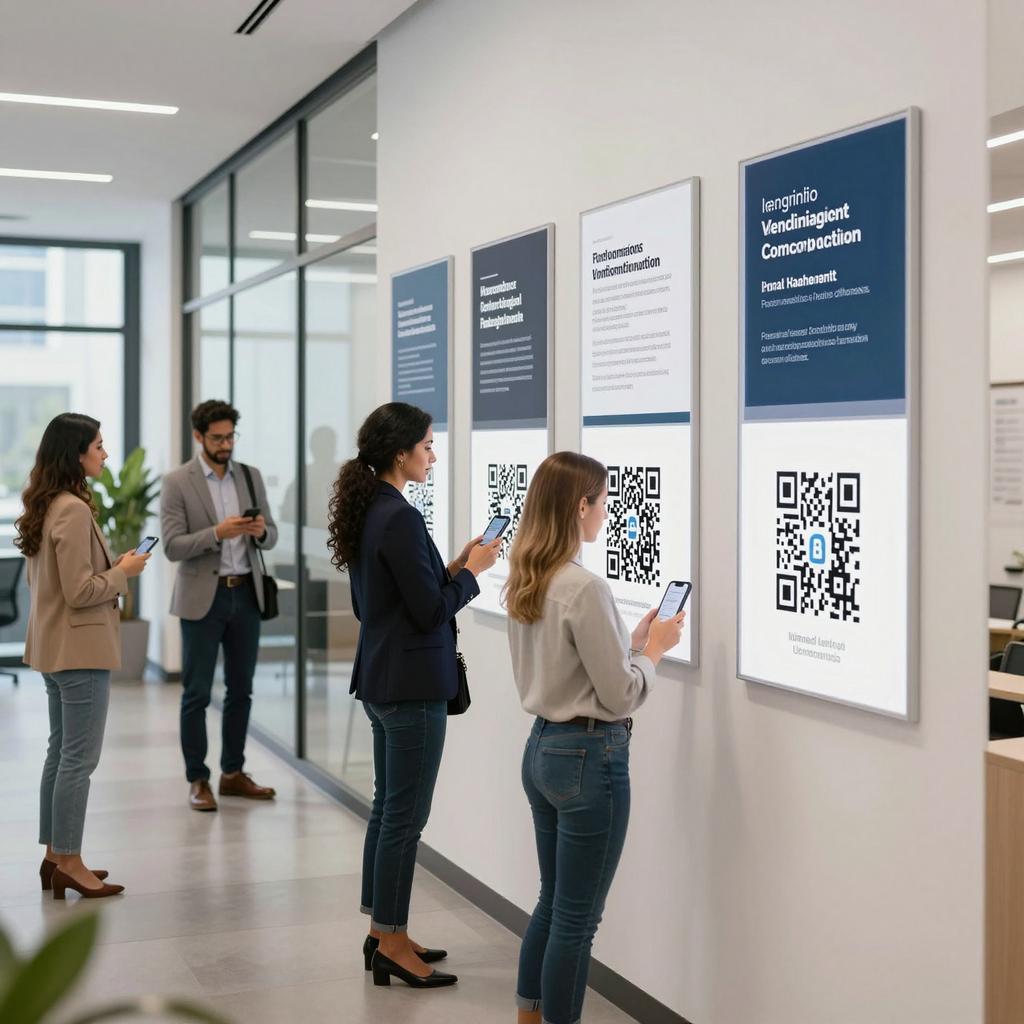
Retargeting Audiences Scanned from QR Code Campaigns
Why QR scans are powerful retargeting signals
QR codes in business have shifted from a novelty to a core conversion lever, turning physical touchpoints into digital relationships. When someone scans a code on packaging, at an event booth, or from out-of-home media, they self-identify as curious and contextually primed—exactly the kind of high-intent engagement modern marketing strategies are built to amplify. Retargeting these scanners lets you continue the conversation with relevant offers, content, and reminders across channels long after the initial micro-moment has passed.
Unlike generic website traffic, QR-driven visits carry rich context: location, placement, creative, and even product variant when you structure your links well. That context unlocks sharper segmentation and better performance. As organizations invest in digital transformation tools, the humble QR code becomes a bridge between offline media and precision media buying—where every scan seeds an audience you can nurture, measure, and monetize with disciplined frequency and creative sequencing.
From scan to audience: a practical stack
Tag QR URLs with campaign parameters
Start by standardizing how you generate QR destinations. Use consistent UTM structures to attribute every scan: for example, utm_source=qr, utm_medium=offline, and a descriptive utm_campaign like packaging_summer23. Add a unique parameter (e.g., qr_id or placement) for granular attribution across cities, SKUs, or creative. For guidance on fields and conventions, follow Google’s official guidance on UTM campaign parameters: Google’s guidance on UTM campaign parameters. This foundation ensures your analytics, audiences, and downstream bidding can distinguish one scan context from another.
Create QR-scan audiences in GA4
With tagging in place, configure audiences that capture QR-sourced sessions and key behaviors (e.g., engaged_session, add_to_cart, product_view). Build an “All QR Scanners” audience using conditions such as source=qr or medium=offline, then layer more intent signals for “High-Intent QR Scanners” (added to cart but did not purchase). GA4’s flexible definitions and membership windows let you tailor recency and frequency to the buying cycle. For setup steps and options, see GA4 audience creation, and keep your event schema consistent so you can scale from one pilot to hundreds of placements.
Activate remarketing in Google Ads and Meta
Once audiences are flowing, activate them where your buyers spend time. Sync GA4 audiences into Google Ads and orchestrate creative based on scan context—packaging scanners see replenishment or cross-sell, while event scanners see demo replays or time-bound offers. Reference Google Ads remarketing to align audience eligibility, membership duration, and exclusions. In parallel, build site-based pools and dynamic messaging with Meta by creating website visitor cohorts and time windows tailored to your QR campaigns; the process is outlined in Meta website custom audiences. Keep your creative specific to the scan moment to preserve message scent and boost conversion.
Measure, learn, and throttle frequency
Define a clear QR funnel and dashboard it: scans → landings → engaged sessions → key events (e.g., sample request, signup, add to cart) → conversion. Track incremental lift by running geo or placement-level holdouts and comparing CPA and ROAS with and without retargeting. Watch frequency caps closely; post-scan fatigue creeps in faster than with broad prospecting. Sequence creatives: reminder → social proof → incentive, and retire placements that underperform on post-scan engagement. Over time, segment by qr_id or campaign to identify the highest-yield surfaces and negotiate more of that inventory.
Privacy and consent by design
Respect for privacy is not optional. Avoid placing personally identifiable information in QR URLs, honor regional consent requirements, and ensure opt-in is captured before firing marketing tags where required. Keep data minimization in mind: log only what you need for attribution and audience logic. If you use redirects or dynamic link resolution, document retention periods and access controls. Treat QR scans like any sensitive first-party behavioral signal—valuable when earned, risky when mishandled.
Conclusion: Turn scans into sustained growth
Retargeting audiences scanned from QR code campaigns converts fleeting interest into durable revenue. Pair disciplined link tagging with GA4 audience logic, then activate through Google Ads and Meta with creative that mirrors the scan context. As QR codes in business mature from novelty to necessity, marketers who treat them as first-class digital transformation tools—measured, privacy-safe, and relentlessly optimized—will turn every physical touchpoint into a compounding flywheel of demand. The modern marketing strategies that win now are those that close the loop from scan to sale, one precisely targeted impression at a time.