QR Codes in Packaging: Hidden Marketing Tools That Convert
The Package Is the New Home Page
From static label to smart product
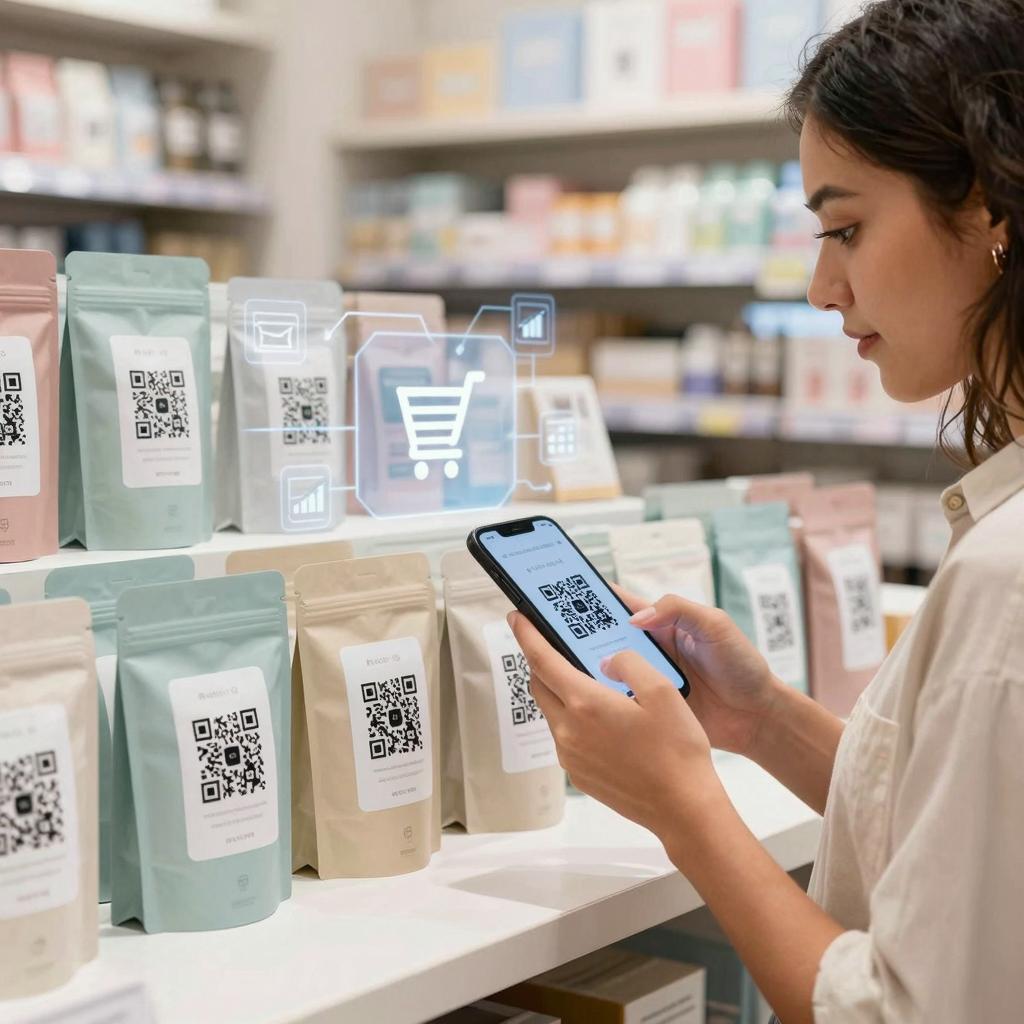
Packaging has quietly become an always-on media channel, and QR codes are the bridge from shelf to screen. When a shopper scans, you’re not just sending them to a page—you’re translating curiosity into measurable intent. That’s why leading brands treat every pack as a programmable touchpoint for content, service, and commerce. The payoff is more than novelty: richer product education, faster support, authentic UGC, and SKU-level attribution. For inspiration, see the Packaging World analysis on QR-enabled packs as digital touchpoints, which underscores how on-pack codes evolve packaging from cost center to growth engine.
Standards that scale omnichannel experiences
Not all QR strategies are equal. The most resilient approaches use open identifiers and interoperable data so one code can serve many journeys—product info, provenance, recall notices, and promotions—without fragmenting URLs. The GS1 Digital Link standard turns a GTIN into a web address, enabling the same QR to route contextually by device, language, location, or time. This standardization future-proofs your investment, reduces technical debt, and positions QR codes in business as true digital transformation tools that connect PIM, DAM, and commerce with analytics and CRM.
Designing QR Experiences That Actually Convert
Reduce friction and match intent
Conversion starts before the scan. Place the code where hands naturally land, size it for 2–3 feet of scanning distance, maintain high contrast, and add a benefit-led CTA like “Scan for 15% off your next refill” rather than a generic prompt. After the scan, deliver fast, mobile-first content with clear next actions. Dynamic routing can personalize by SKU, retailer, or weather (e.g., recipes on rainy days). Treat the landing view like a product page: social proof, value props, and one primary action. These modern marketing strategies turn curiosity into action with fewer clicks and higher intent.
Turn first scans into relationships
Great QR journeys exchange value for attention—instant how-to videos, warranty activation, refills, or loyalty credits—while collecting permissioned first-party data. Offer lightweight signup and progressive profiling so every subsequent scan gets smarter. Consumers have embraced scanning as a natural behavior; explore Think with Google insights on how QR codes are changing consumer behavior to align content with real-world use cases. Done right, QR codes in business reduce support costs, grow repeat purchases, and turn packaging into a retention engine.
Proving ROI and Building Trust
Measurement that matters
Move beyond raw scans. Track scan-to-visit, visit-to-signup, and signup-to-purchase to quantify full-funnel impact; slice by SKU, geography, and retail channel. Use unique parameters per print lot to measure shelf vs. at-home engagement and to optimize creative by cohort. Closed-loop attribution is improving as retailers and DTC carts integrate QR session IDs. For context on adoption and impact, see the McKinsey analysis on QR codes in retail, which highlights why scanning is here to stay and how brands can capture value.
Privacy, transparency, and brand safety
Trust fuels conversion. Be explicit about what happens after a scan, minimize data collected, and request consent at the moment of value. Host content on secure domains, rotate destinations through a verified link manager, and monitor for spoofed codes. Align QR analytics with your privacy posture and regional regulations; when paired with first-party data discipline, QR becomes one of the most compliant digital transformation tools in your stack.
A 90-day operational playbook
Weeks 0–2: Audit packaging real estate, define 2–3 priority journeys (education, trial-to-subscription, warranty). Weeks 3–6: Launch a pilot on 2–3 SKUs with A/B-tested CTAs and dynamic routing by retailer. Weeks 7–10: Wire up analytics (events, UTMs, cohort tags), integrate with CRM/CDP, and set guardrails for consent. Weeks 11–12: Review funnel metrics, calculate incremental lift vs. holdout stores, and decide scale-up. This tight loop embeds QR into modern marketing strategies as a permanent, performance-driven channel.
Conclusion
QR codes on packaging aren’t gimmicks—they’re high-intent entry points that convert when they remove friction, deliver value instantly, and connect to measurement. Treat the pack as owned media, standardize with GS1 where possible, and design journeys that serve both shoppers and the business. Brands that operationalize QR codes in business as part of their digital transformation tools will outlearn competitors, prove ROI faster, and turn every product into a smart, scalable channel for growth.