QR Codes in Museums & Cultural Institutions: Immersive Learning
Why QR Codes Are Reshaping the Museum Visit
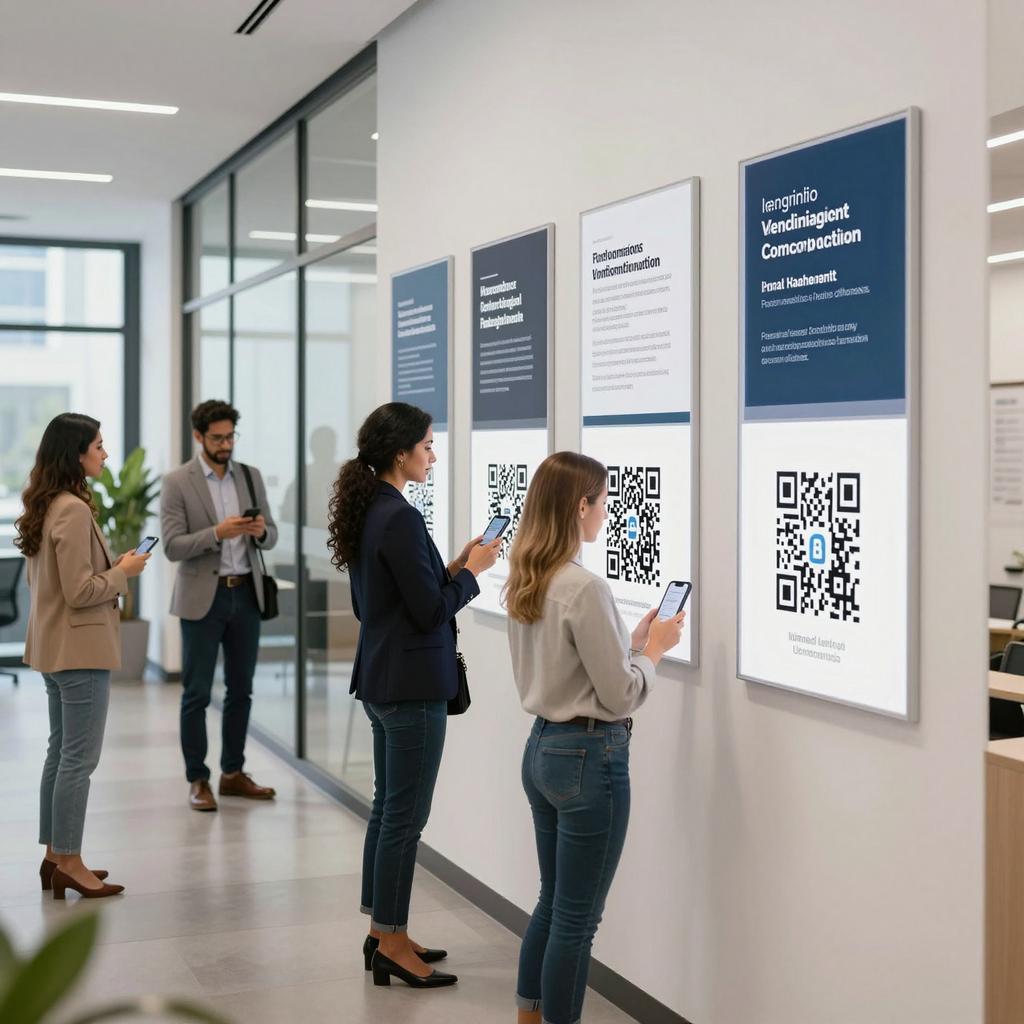
QR codes are no longer just checkout helpers—they’re compact, low-cost gateways that turn static exhibits into dynamic learning experiences. As cultural institutions accelerate digital transformation tools, QR touchpoints offer a fast way to blend physical collections with rich, on-demand media while aligning with modern marketing strategies and the operational pragmatism of QR codes in business.
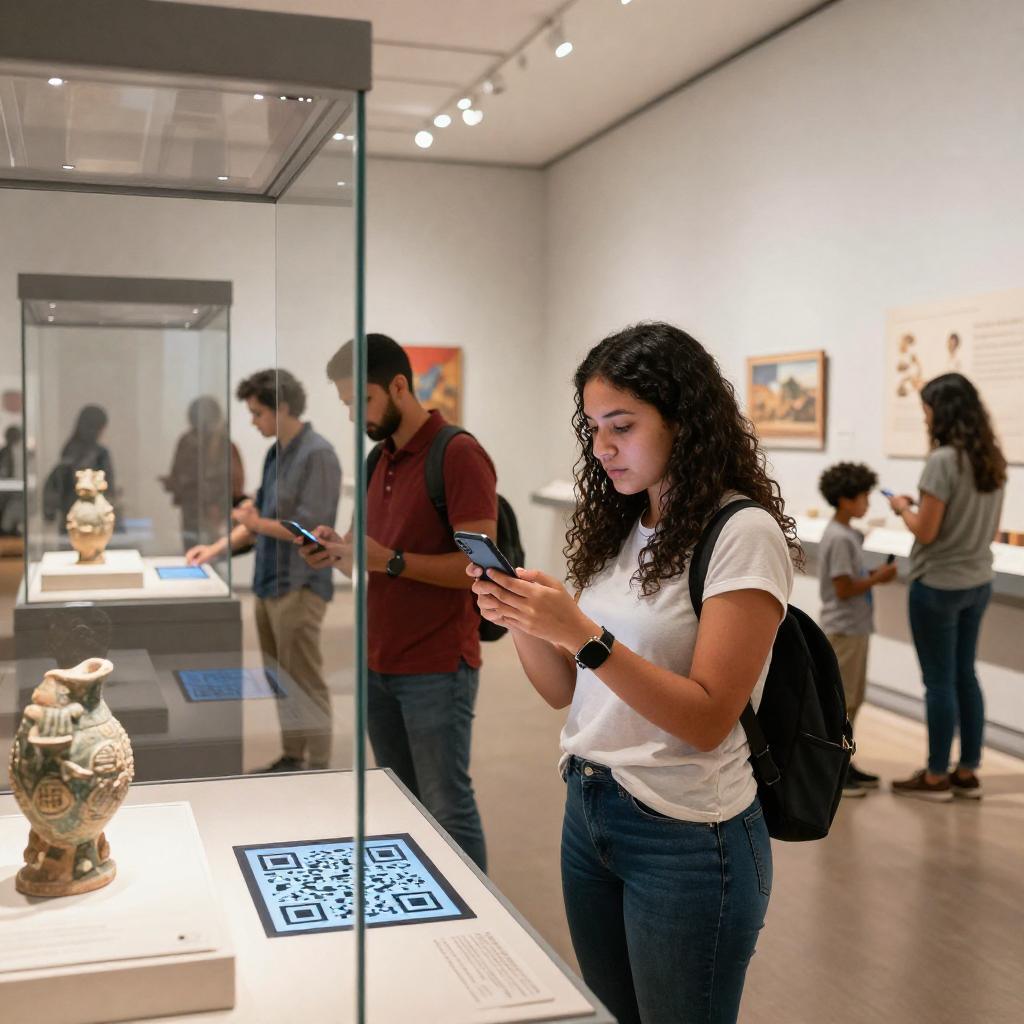
For museums, the value is twofold: elevate visitor engagement and collect actionable insights. Scans can unlock multilingual labels, curator audio, conservation videos, AR overlays, and learning prompts—no app download required. The American Alliance of Museums outlines practical, budget-friendly tactics in its guidance on inexpensive ways to use QR codes to engage patrons, underscoring that impact comes from thoughtful content, not flashy tech.
Designing for Immersive Learning with QR Touchpoints
Layered storytelling and multimodal content
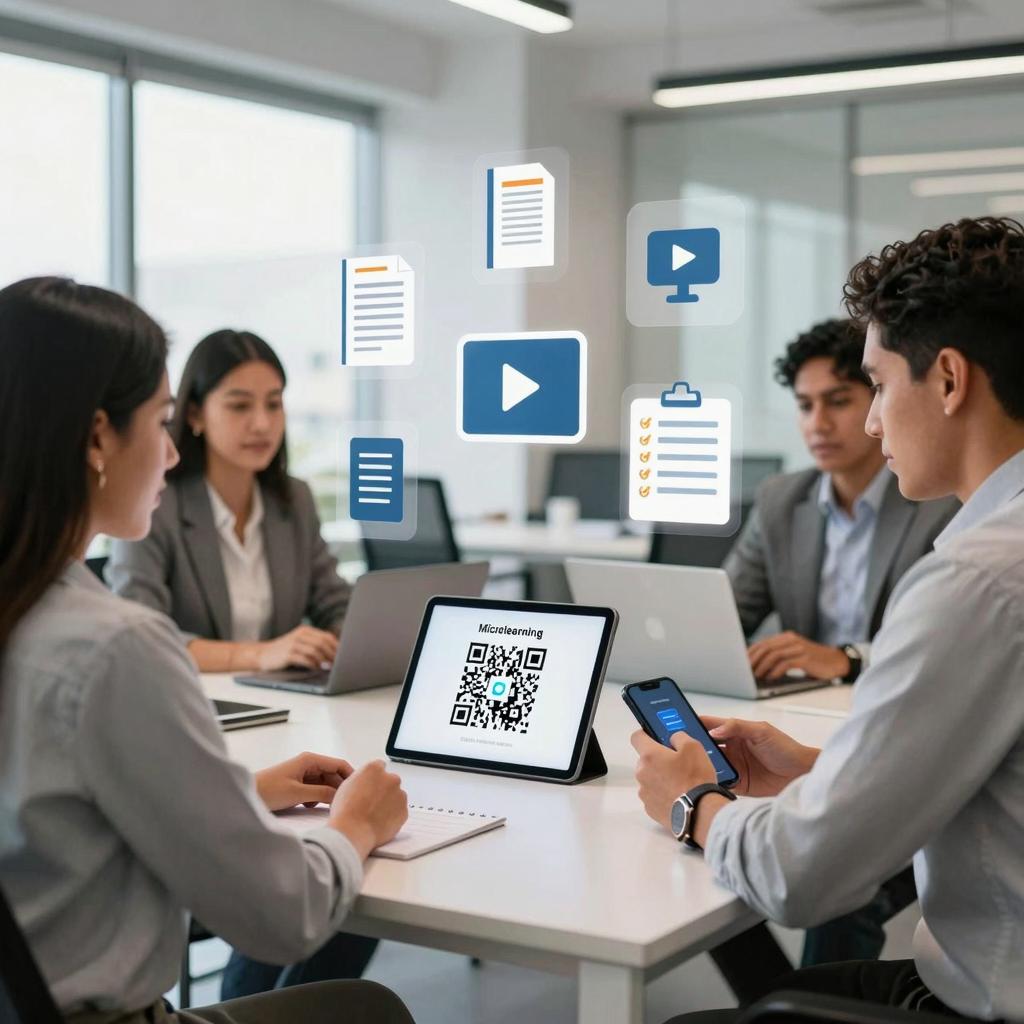
Immersive learning thrives on layers: a single scan can reveal a short story about an artifact’s provenance, a 60-second curator video, an interactive 3D model, and a reflective question to help visitors connect meaning to memory. Treat each QR as a narrative node that supports different depth levels—skim, explore, or deep dive—so families, students, and enthusiasts all find value in the moment.
Accessibility as a strategic advantage
QR codes can strengthen inclusion when pages are designed accessibly: large-type summaries, transcripts and captions, audio description, high-contrast palettes, and screen-reader-friendly structure. They can also point to sensory maps, quiet-room info, and queue-free services. Practical, field-tested recommendations are captured in best-practice guidance on QR usability in museums and galleries, which reinforces that accessible content design multiplies the reach of every scan.
From Pilot to Portfolio: An Implementation Playbook
Map the visitor journey and content taxonomy
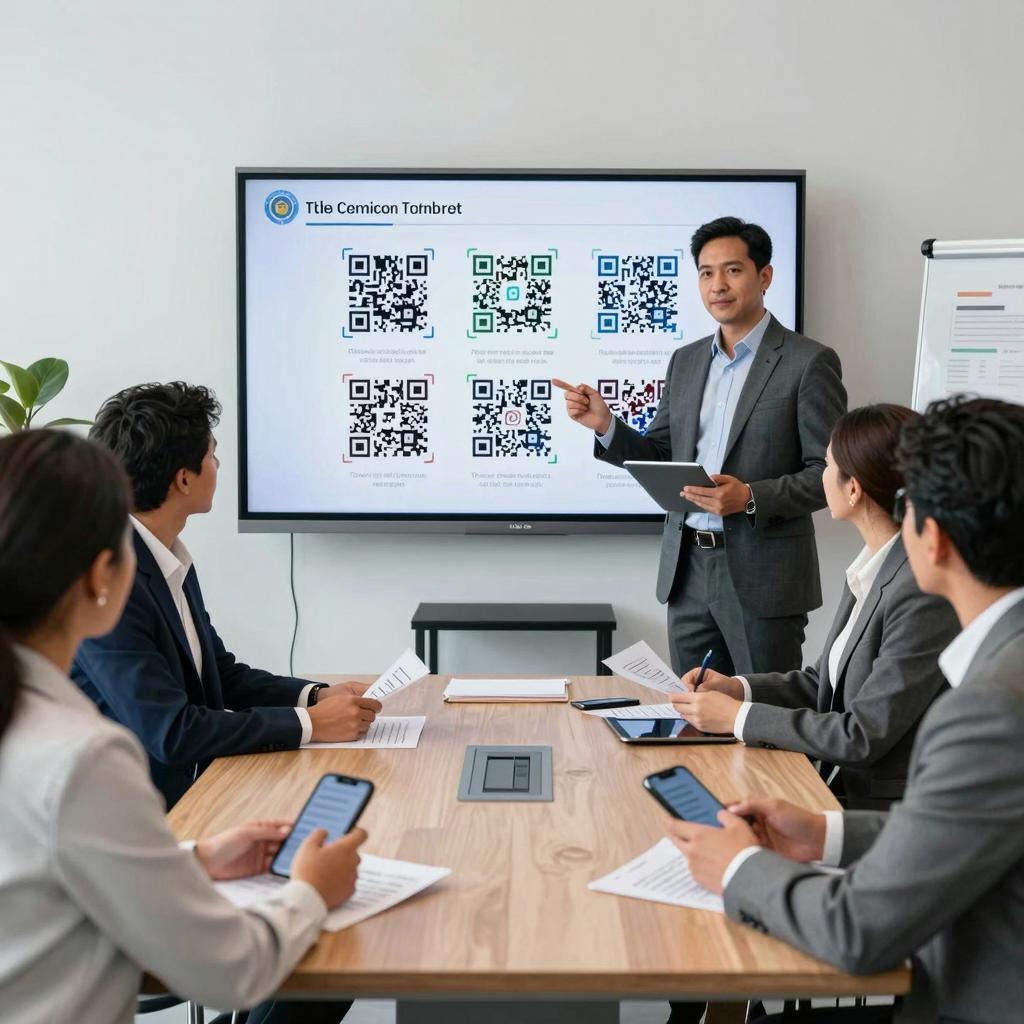
Start with a floorplan and storyline: identify moments of curiosity (entrances, highlights, bottlenecks) and match each with a concise promise—“Hear the artist in 60 seconds,” “See how this was restored,” or “Compare eras.” Build a content taxonomy (intro, context, method, impact, action) and keep page loads fast and legible. Use dynamic QR codes to update links, apply UTM parameters to track campaigns, and design signage with clear calls to action and strong contrast.
Governance, privacy, and analytics that matter
Define what success looks like before printing a single label: dwell time, completion rates, language mix, and learning objectives tied to scans. Publish a brief privacy notice near QR touchpoints and collect only what you need. For a balanced view of opportunities and pitfalls, see this museum-studies perspective on the broader potential of QR codes in museums, which highlights the importance of intent, context, and ethical data practices.
Marketing amplification across channels
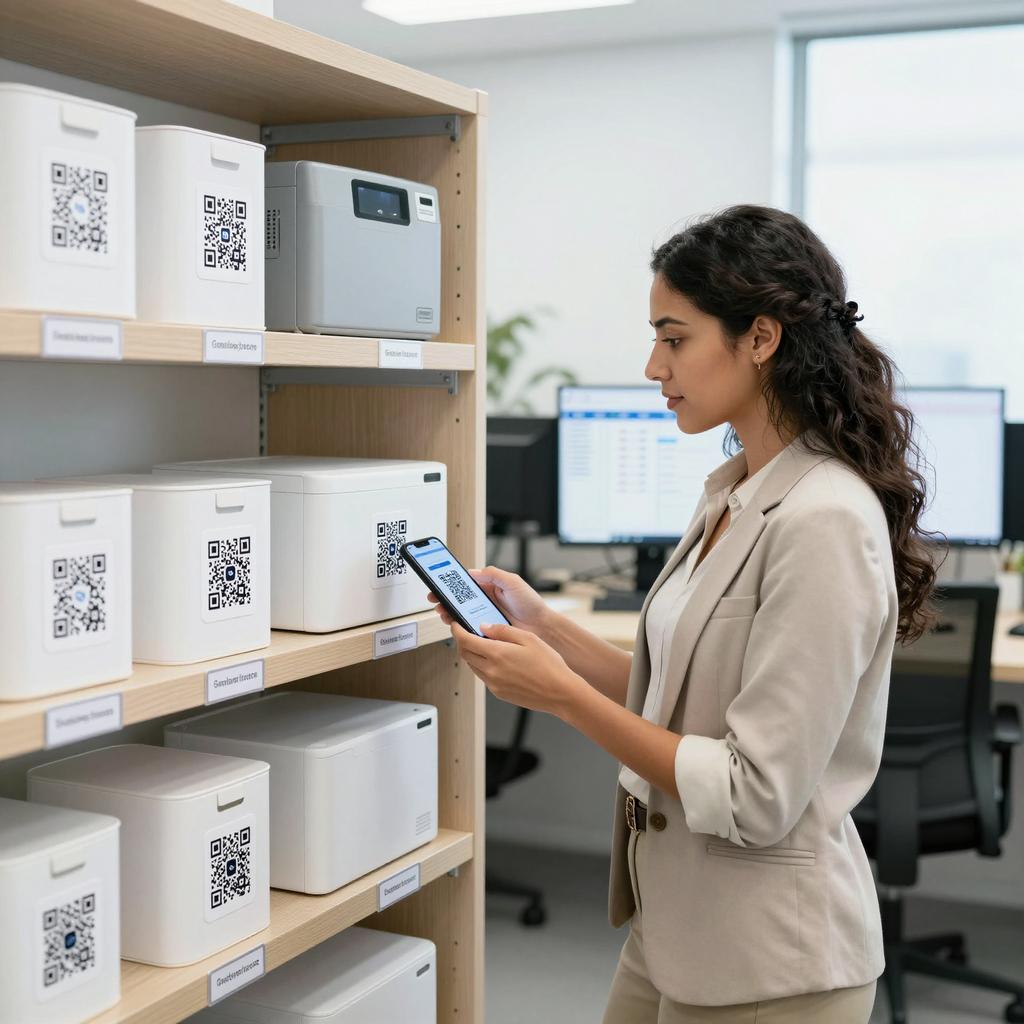
QR codes extend beyond the gallery label—use them across posters, transit ads, membership mailers, school outreach, and partnerships to turn awareness into action (plan-ahead guides, timed tickets, or educator resources). Embedding QR codes in business touchpoints like museum retail, cafes, or events unifies the experience and reinforces modern marketing strategies with measurable conversions and first-party data captured transparently.
Measuring Impact and Iterating
What success looks like
High-performing programs pair small pilots with disciplined iteration: ship a focused set of labels, observe behavior, refine the microcopy and media, and scale what resonates. The takeaway is simple but powerful—QR codes become transformative digital transformation tools when they’re treated as part of a coherent learning and marketing strategy, not a tech novelty. Start with your visitors’ questions, craft concise stories that answer them, measure what changes, and let those insights guide your next exhibit, campaign, and community partnership.