QR Codes for Inventory Management: From Warehouse to Store Shelf
QR codes have quietly moved from novelty to necessity, becoming one of the most practical digital transformation tools in retail and logistics. For operators balancing tight margins, labor constraints, and omnichannel expectations, QR codes in business provide low-cost, high-accuracy data capture from the receiving dock to the store shelf, enabling real-time visibility, faster decisions, and modern marketing strategies that engage shoppers at the edge.
Why QR Codes Now
Unlike legacy barcodes that only encode a product ID, modern QR codes can store rich, structured data about batches, expiration dates, or handling instructions and can deep link to cloud records. That flexibility means you can standardize how inventory is identified while tailoring data to each workflow. As supply chains face higher volatility and compliance demands, QR codes offer a scalable path to serialization, traceability, and continuous improvement without ripping and replacing existing systems or hardware.
From Receiving Dock to Bin Location
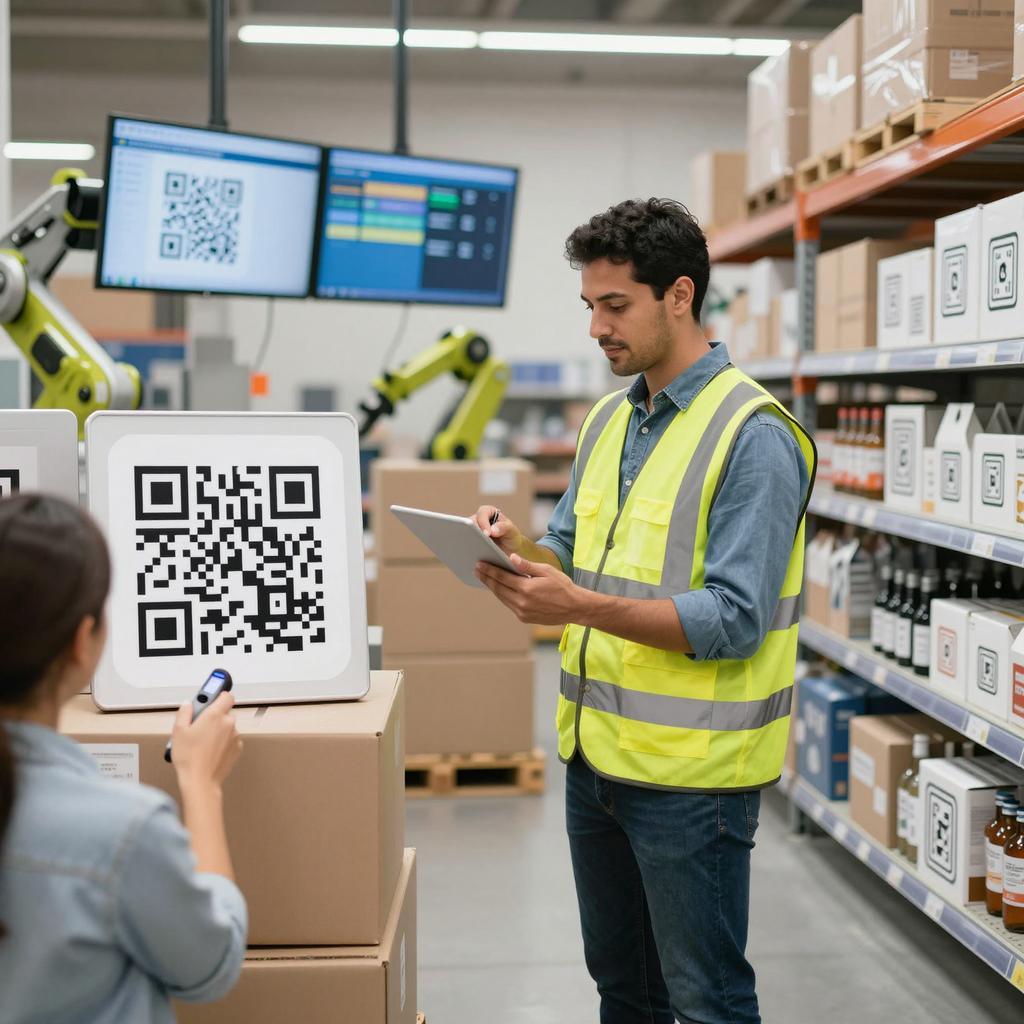
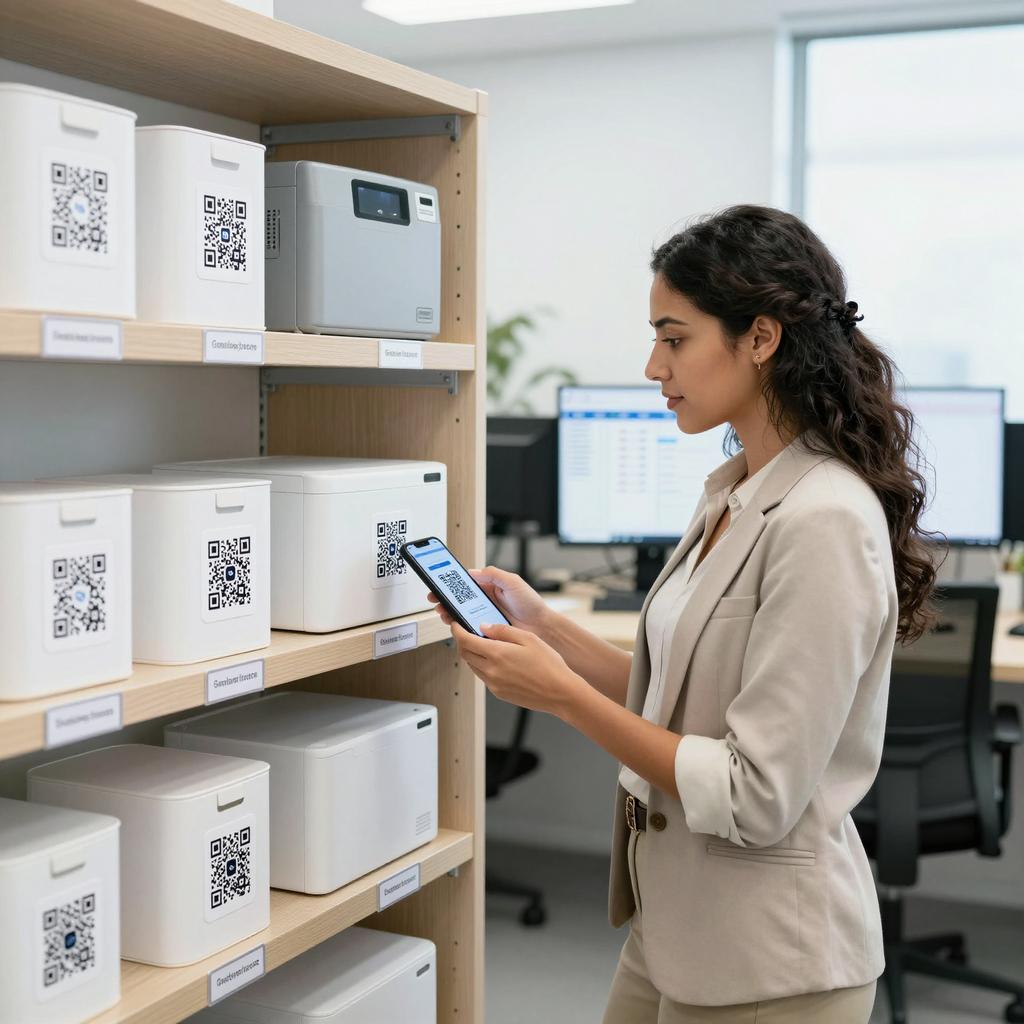
At inbound, teams scan QR codes on cartons or pallets to validate advanced shipment notices, reconcile purchase orders, and trigger putaway tasks. Print-on-demand labeling assigns location-level QR codes for racks and bins so pickers can confirm the right slot with a quick scan. During cycle counts, dynamic QR labels simplify reconciliation by attaching context (such as lot and condition) directly to items, accelerating variance resolution and improving inventory accuracy before orders ever reach the sales floor.
In-Transit Visibility and Compliance
Once outbound, QR scans at every handoff create a tamper-evident trail across carriers, cross-docks, and last-mile delivery. This scan history supports chain-of-custody, temperature checks for cold chain, and authenticity verification to combat gray-market diversion. For a comprehensive industry perspective on traceability and beyond-inventory use cases, see IoSCM’s overview of QR codes across the supply chain at QR codes in supply chain: more than just inventory tags, which highlights how serialization, compliance, and anti-counterfeiting are strengthened with end-to-end scanning.
Store Operations and Shopper Experience
On the shelf, staff use QR-enabled tasks to locate backroom stock, validate planogram placement, and trigger gap scans to prevent outs. The same code can power customer-facing experiences, such as rich product content, sustainability credentials, or reorder subscriptions, blending operational efficiency with modern marketing strategies. For a forward-looking take on bridging inventory and consumer engagement, Loftware details connected packaging using GS1 Digital Link in maximizing efficiency with connected packaging and QR codes, showing how one code can serve both store teams and shoppers.
Data Model and Systems Integration
To unlock value, design the data model first. Decide what each QR encodes locally (e.g., SKU, lot, expiry) versus what lives in the cloud (e.g., full genealogy, audit logs). Integrate scans with WMS, ERP, TMS, and POS so that each event updates a single source of truth and flows to analytics in near real time. For practical guidance on reducing errors and syncing inventory movements, Bitly’s resource on how QR codes streamline supply chain data capture explains how dynamic links, APIs, and automation tighten the loop from warehouse entry to retail shelf.
Implementation Playbook
Start small with a high-velocity SKU family and map the end-to-end journey: receiving, putaway, picking, shipping, store receipt, shelf replenishment, and customer engagement. Choose durable label materials and printer settings that match your environment, standardize code placement and size for fast scanning, and establish governance for ID namespaces and versioning. Train associates on scanning ergonomics and exceptions handling, and track KPIs such as inventory accuracy, pick rate, on-shelf availability, and shrink to quantify ROI.
Risks, ROI, and What’s Next
Be mindful of code density, lighting, and damaged labels; mitigate with standardized layouts, redundancy (e.g., human-readable text and a backup linear barcode), and periodic quality checks. Most organizations see returns in fewer receiving errors, faster counts, shorter dwell times, higher on-shelf availability, and more targeted promotions powered by scan data. Looking ahead, serialized QR codes combined with AI vision and event streaming will enable real-time exception detection and digital twins of inventory. The takeaway: QR codes are a pragmatic, future-ready bridge between operational rigor and customer experience—an accessible cornerstone of digital transformation tools that carry products, data, and value from warehouse to store shelf.