QR Codes for Event Marketing: Registration Ticketing and Networking
Why QR Codes Are Redefining Event Marketing
QR codes in business have evolved from simple shortcuts to strategic digital transformation tools that remove friction across the entire event lifecycle—awareness, registration, ticketing, check-in, and networking. As part of modern marketing strategies, they unify offline and online experiences, streamline operations, and produce measurable engagement data that event teams can act on in real time.
From Awareness to Conversion via Scans
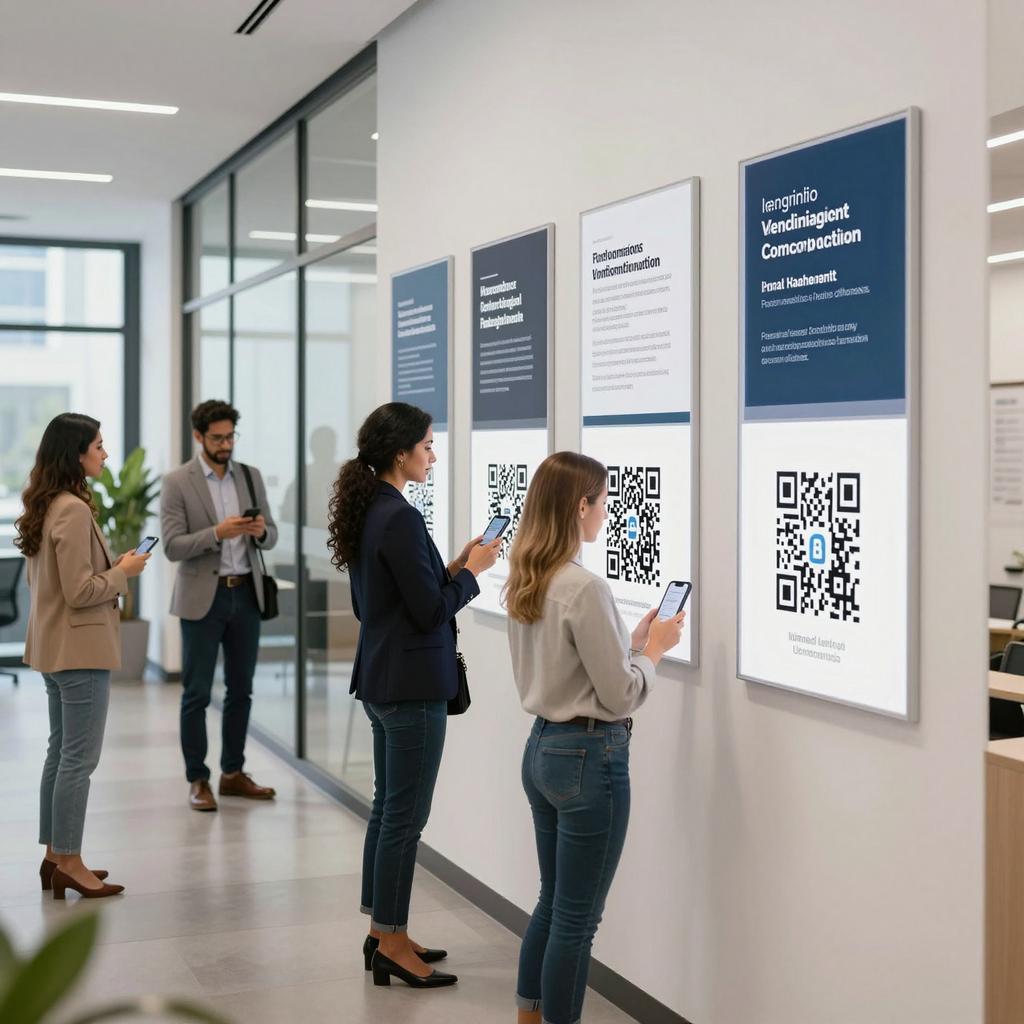
Top-of-funnel promotion becomes instantly trackable when posters, social images, and partner placements feature scannable calls-to-action that route attendees to event pages, VIP lists, or session agendas. For a practical overview of how QR codes drive discovery and attendance, see Eventbrite’s guide to using QR codes throughout the event journey, which details best practices from marketing impressions to on-site activation.
Reducing Friction in Registration and Ticketing
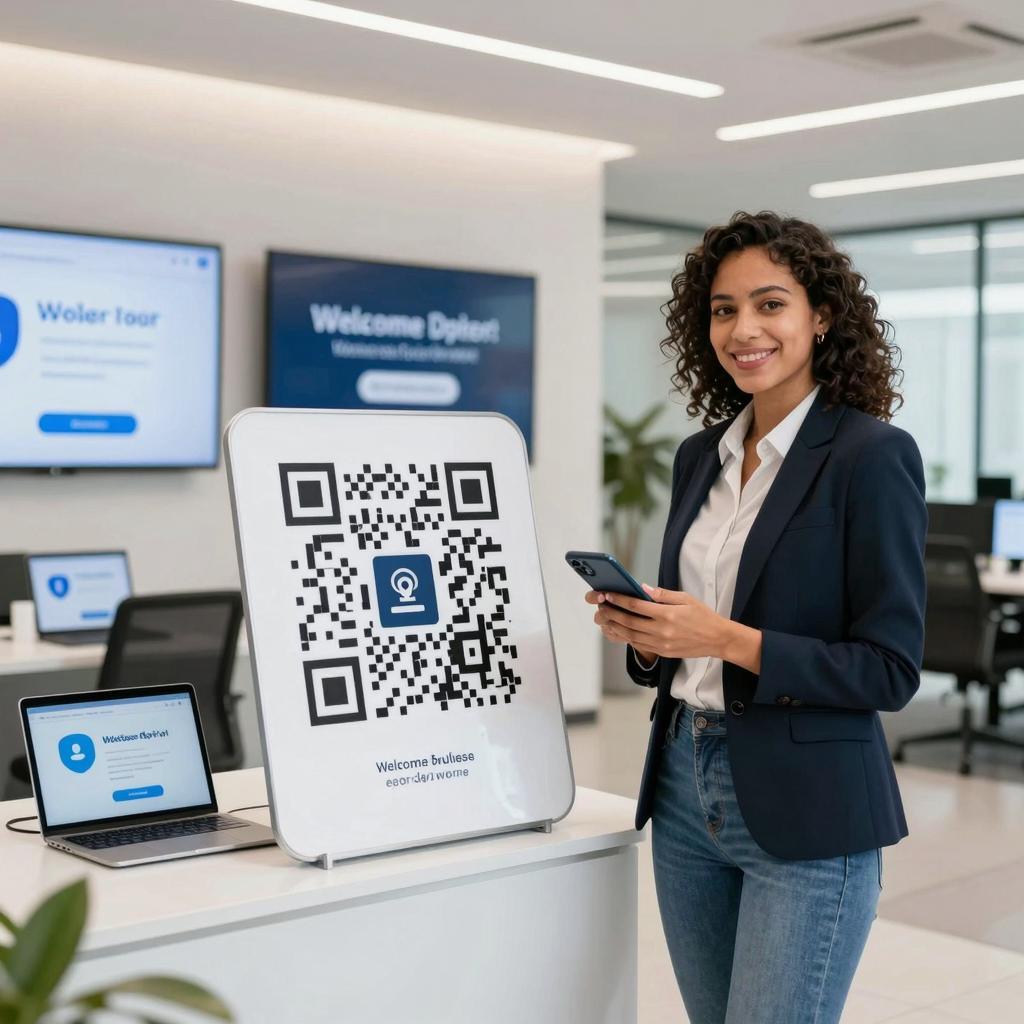
QR-enabled registration replaces long forms and desktop-only flows with instant mobile sign-ups; e-tickets with embedded codes then live in email or wallets, eliminating printouts and helping organizers forecast attendance. Platforms now offer native tooling to embed, distribute, and validate codes; review the Eventbrite on-site operations toolkit for fast scanning and line management to see how seamless entry improves attendee satisfaction and staff efficiency.
Smarter Check-In and On-Site Engagement
Fast, Contactless Entry and Security
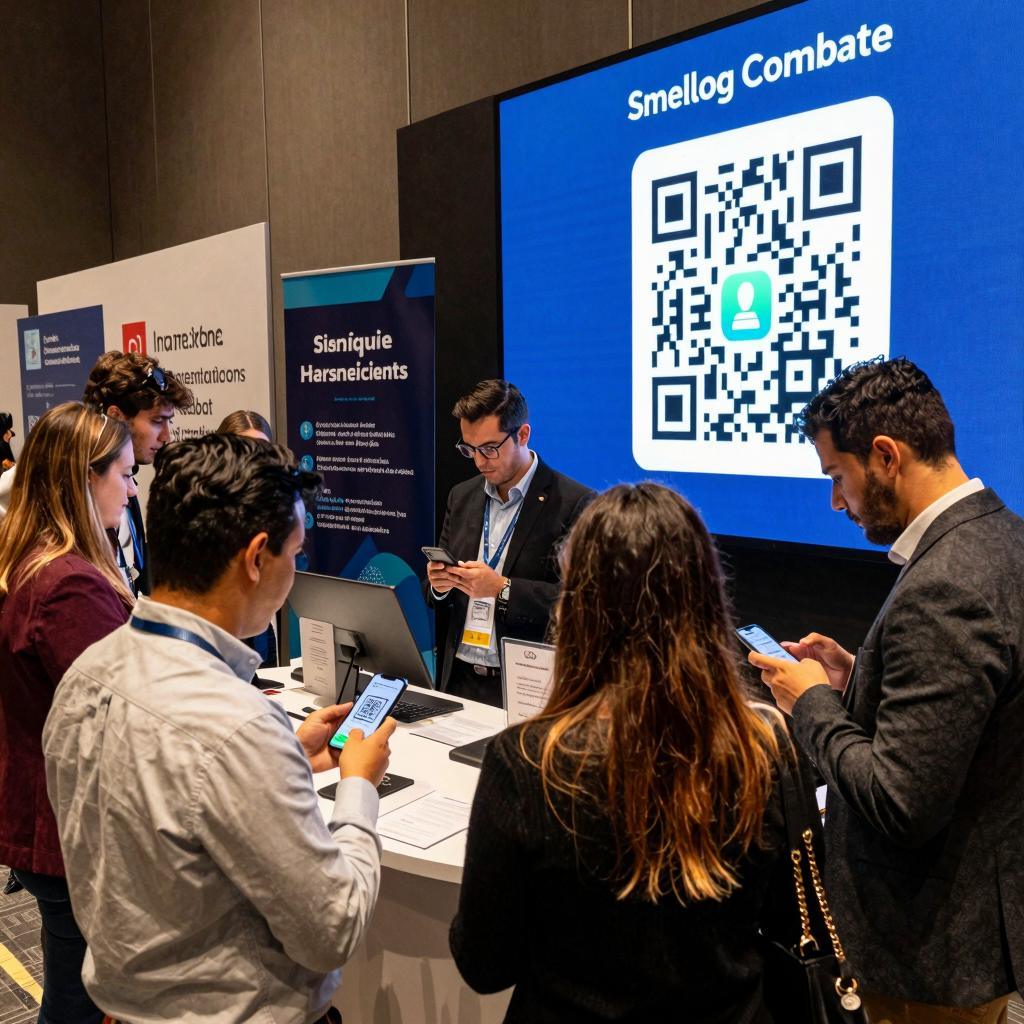
At the door, QR codes accelerate queues, reduce manual errors, and mitigate fraud with single-use or time-bound tokens. Scanners sync to cloud guest lists so last-minute transfers or upgrades are recognized instantly—critical for VIP access, session capacity control, and real-time crowd management that aligns with modern marketing strategies focused on experience quality.
Networking That Scales with Dynamic QR Profiles
Networking no longer relies on paper cards or ad hoc exchanges; dynamic QR profiles let attendees share curated contact details, social links, and opt-in preferences with one scan. Exhibitors capture qualified leads without kiosks, while sponsors distribute gated content instantly—clear demonstrations of QR codes in business enabling data-rich, value-forward interactions.
Data, Automation, and ROI
First-Party Data Capture and Journey Orchestration
Every scan creates attributable first-party data—source, time, location, and session—which fuels segmentation, remarketing, and post-event nurturing. With marketing automation, QR interactions can trigger emails, SMS reminders, or loyalty offers; for technical guidance on integrating codes into customer journeys, consult Microsoft’s Dynamics 365 documentation on using QR codes for event registration and content links.
Implementation Playbook and Pitfalls
Design, Placement, and Privacy Best Practices
Keep codes high-contrast and spacious, add a compelling micro-CTA, and place them where dwell time allows scanning (registration desks, session doors, badges, table tents). Use short, branded URLs with UTM parameters for analytics, test print sizes across lighting conditions, and provide consent-driven flows and clear value exchanges—best-practice fundamentals for digital transformation tools that build trust and long-term audience growth.
Conclusion
QR codes aren’t a gimmick—they’re multipurpose infrastructure for modern events, unifying promotion, registration, ticketing, check-in, and networking while generating actionable data. Treat them as strategic assets within your modern marketing strategies: design for clarity, connect to automated journeys, and measure what matters. The payoff is a smoother attendee experience, sharper insights, and a scalable blueprint for QR codes in business that boosts ROI event after event.