Education Technology: QR Codes for Interactive Learning Materials
Why QR Codes Are Reshaping Interactive Learning
QR codes have evolved from a novelty into practical digital transformation tools that connect physical learning materials to dynamic, measurable experiences. By embedding scannable gateways into handouts, labs, and exhibits, educators can deliver multimedia content, micro-assessments, and instant support—without adding platform complexity for students. For context on capabilities and constraints, see EDUCAUSE’s overview, 7 Things You Should Know About QR Codes, which still frames the core strengths of this lightweight technology.
From static handouts to dynamic journeys
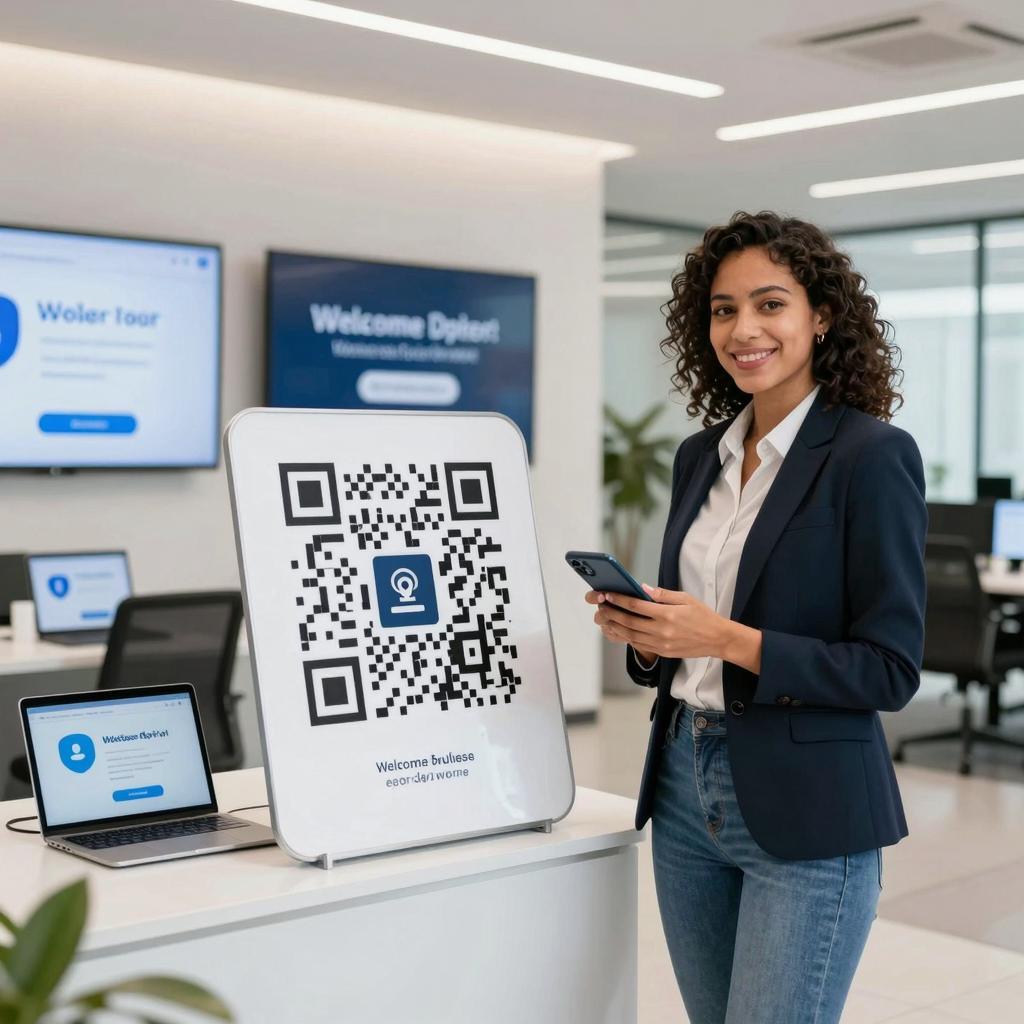
Printed resources no longer need to be endpoints. A lesson plan can route students to short videos, simulations, rubrics, or reflection prompts with one scan, turning a worksheet into a guided journey. K–12 practitioners have been early champions; Edutopia’s piece on classroom ideas, Using QR Codes in the Classroom, highlights how quick access to curated links can reduce friction, differentiate instruction, and support just-in-time help.
Bridging campus and corporate skills
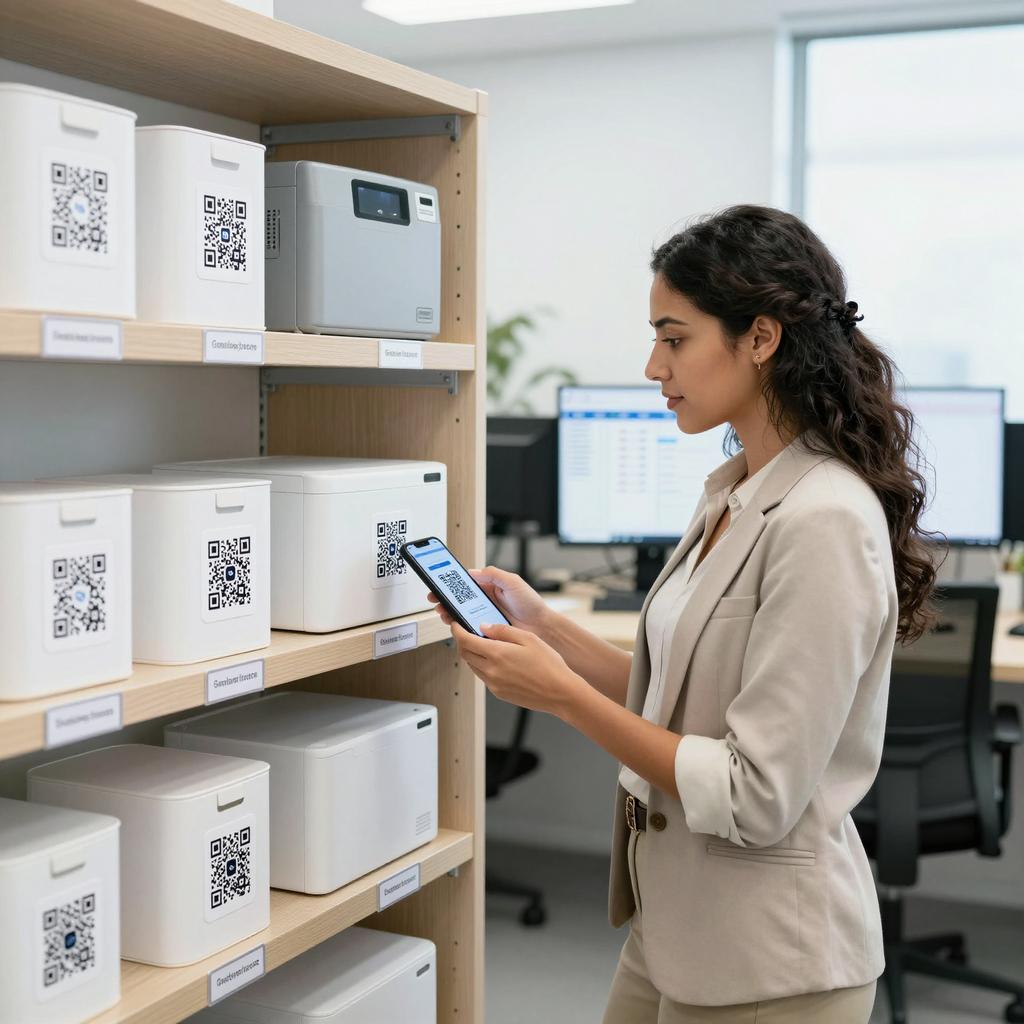
When students learn through QR-enabled activities—self-guided tours, product deconstructions, or gallery walks—they are also developing competencies that translate to QR codes in business, from retail packaging and event engagement to equipment maintenance and support workflows. That alignment matters: graduates who understand how scannable entry points power modern marketing strategies, customer education, and post-sale enablement are better prepared to operate in data-informed, omnichannel environments.
Practical Use Cases that Blend Pedagogy and Business Value
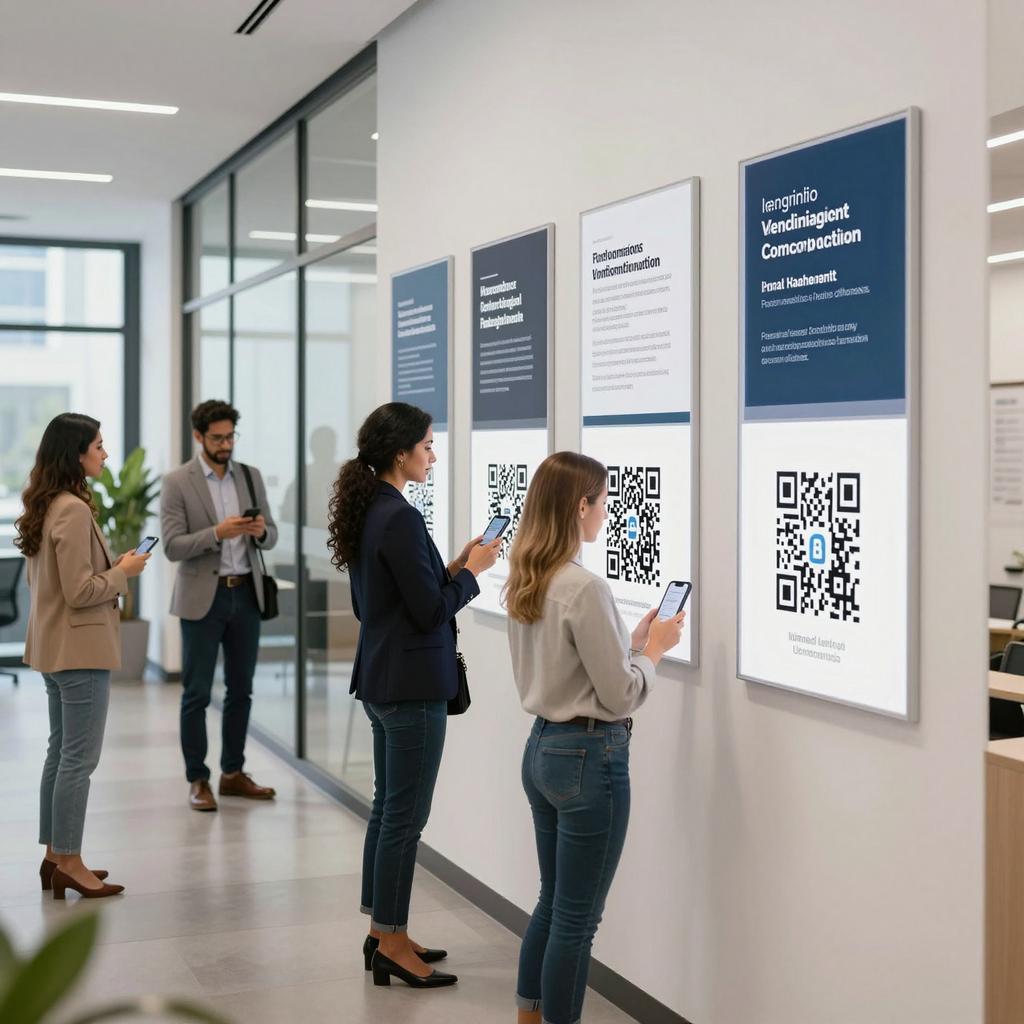
QR codes shine where context meets action. In higher ed, they can launch lab safety checklists, link to primary sources during fieldwork, or trigger self-paced microlearning in maker spaces. EDUCAUSE’s article, 8 Ways to Use QR Codes in Higher Education Classrooms, catalogs examples such as scavenger hunts for concept discovery, campus wayfinding to support onboarding, and peer feedback loops—patterns that also map neatly to workplace training and customer success.
Data-driven formative assessment
Scanning can open a one-question check-for-understanding, a reflective prompt, or a quick skill demonstration. With dynamic codes, links can carry campaign parameters to attribute participation, while dashboards in your LMS or survey tool track completion and comprehension. The instructional upside is real-time insight; the operational upside is measurable learning tied to objectives—exactly the kind of accountability leaders expect from digital transformation tools.
Safe, scalable content delivery
Centralize links behind institutionally managed short URLs so content can be updated without reprinting, retired when out of date, and monitored for quality. Standardize placements (e.g., bottom-right corner of lab sheets), include short fallback URLs for accessibility, and ensure alt text or adjacent labels describe the destination. For bandwidth-constrained settings, pre-cache key media or offer transcript-first options to keep learning inclusive and resilient.
Implementation Playbook for Schools and Training Teams
Start with a pilot: choose two high-impact moments (orientation tour and lab prep), design concise mobile-first content, generate branded codes, and field-test with a small cohort. Create a naming convention and inventory, publish a style guide for size/contrast/placement, and train faculty on privacy, analytics, and student support. Finally, integrate scans with existing systems—LMS modules, knowledge bases, ticketing—to avoid tool sprawl and to maintain a single source of truth.
Governance, privacy, and measurable ROI
Treat QR codes as part of your information architecture. Use vetted link domains, apply minimal data collection, and align with FERPA/GDPR where applicable. Define success metrics (scan-through rate, time-on-resource, assessment uplift, support deflection) and review them alongside qualitative feedback. The big takeaway: QR codes are a simple, low-cost bridge between physical and digital experiences—empowering interactive learning while mirroring how organizations execute modern marketing strategies and customer education. Implemented thoughtfully, they deliver agility today and build durable capability for what comes next.