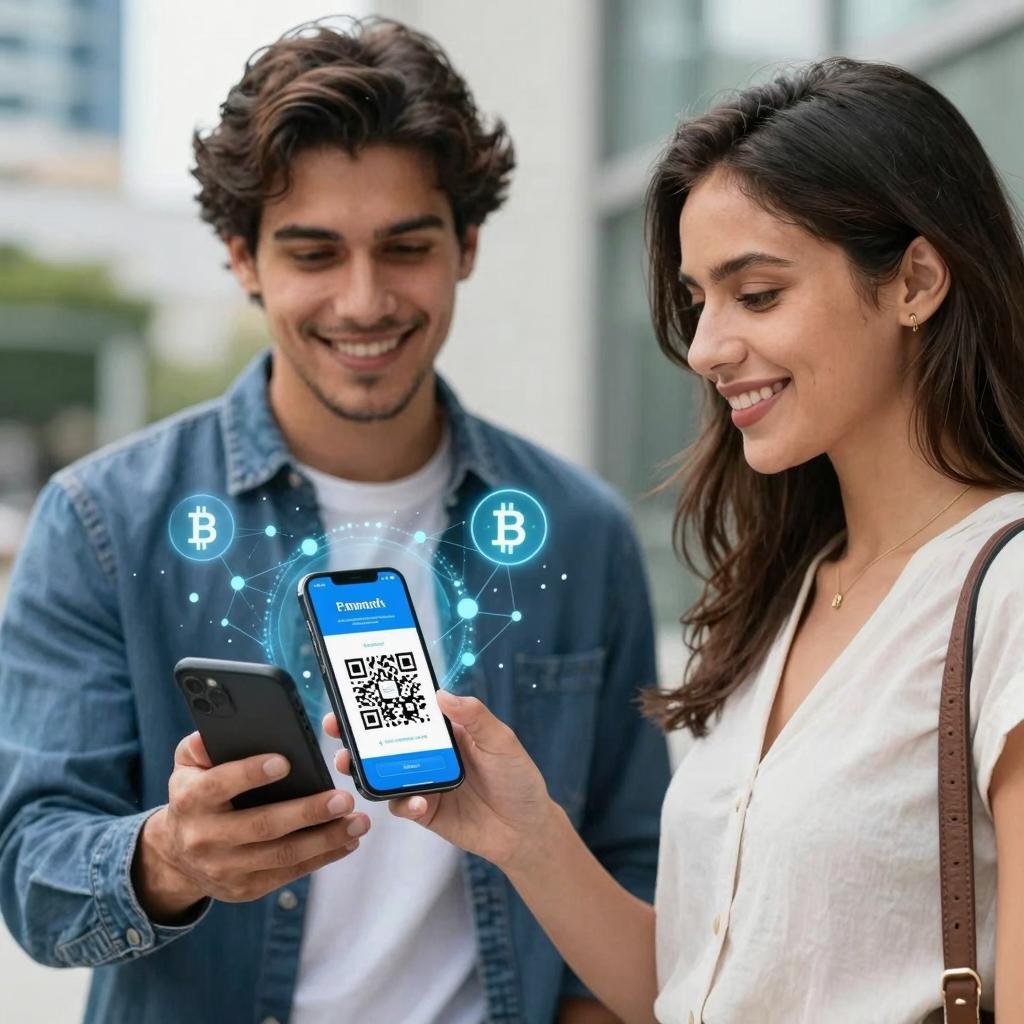
Cryptocurrency and QR Codes: Decentralized Payment Methods
Why QR Codes and Crypto Belong Together
Cryptocurrency and QR codes are a natural pairing: one removes intermediaries, the other removes friction. For leaders evaluating QR codes in business, this combo turns any surface—packaging, invoices, receipts, signage, even screens—into a payment endpoint. The result is a checkout experience that feels instant, borderless, and native to mobile. When implemented well, it can cut costs, reduce cart abandonment, and provide a future‑ready path for cross‑border commerce without reinventing the entire point‑of‑sale stack.
The operational upside for merchants
On the cost side, crypto QR flows can lower card interchange exposure on select transactions, shrink chargeback risk, and streamline reconciliation by tying each scan to a unique order reference. Operationally, merchant‑presented QR codes scale easily from pop‑ups to multi‑lane retail, while consumer‑presented codes from wallets speed up queues. For finance teams, faster settlement and programmable payment logic (e.g., split disbursements) can improve cash flow and working capital planning—tangible bottom‑line benefits beyond hype.
Consumer expectations and UX
Consumers already use cameras to act—scan a code, approve, done. Crypto fits this pattern: the wallet prefills address, amount, and memo, and the user confirms. The most successful rollouts emphasize clarity: large, well‑placed codes, human‑readable amounts, and a fallback path if a wallet isn’t installed. Treat the QR as a micro‑journey: short, obvious, and brand‑consistent, supported by modern marketing strategies that educate at first touch and reinforce trust at checkout.
How the Technology Works
QR payments encode a standardized request string that wallets understand. In traditional rails, EMVCo defines merchant‑presented and consumer‑presented modes for consistent payloads and acceptance. For reference, the EMVCo QR Code specifications outline how merchants display a code and how customers scan and confirm. In crypto flows, the concept is similar: the QR holds a payment URI that a digital wallet parses, so the user can approve a prefilled transaction with minimal taps.
Bitcoin and Ethereum payment URIs
In Bitcoin, the canonical format is documented in the Bitcoin URI scheme (BIP‑0021), which supports an address plus optional amount, label, and message—ideal for QR encoding on invoices, kiosks, or checkout screens. On Ethereum and EVM chains, the Ethereum payment request standard (EIP‑681) extends this idea to include chain IDs, token transfers, and even contract function calls. The takeaway for implementers: generate URIs directly from order data, validate them server‑side, and test with the specific wallets your customers use.
Security, governance, and risk
Cryptographic security underpins these flows, but good governance matters. NIST’s NISTIR 8202 blockchain technology overview explains how tamper‑evident ledgers, digital signatures, and consensus protect the record of value. At the application layer, guard against QR swapping (e.g., stickers over displays) with dynamic, per‑transaction codes, integrity checks, and cashier prompts that match the on‑screen amount. Train staff to verify POS screens, log key events for audits, and use allow‑listed wallet libraries. Clear custody policies, tax reporting workflows, and consumer support scripts complete a resilient program.
Strategic Rollout for Business Value
Treat crypto QR acceptance as a phased product launch, not a side project. Start with well‑defined use cases (in‑store checkout, curbside pickup, invoice collections), then choose digital transformation tools that integrate order data, tax, and refunds. Pilot with one or two wallets per region to minimize edge cases. Instrument the journey: scan‑to‑approve time, drop‑off before confirmation, refund cycle time, and incremental sales uplift. Align operations with procurement and compliance early, and keep a fiat fallback in every venue until KPIs prove reliability.
Looking ahead: omnichannel and loyalty
QR‑native crypto payments unlock omnichannel possibilities: scan in a social post to prepay, confirm at pickup; embed on packaging for reorders; or attach to receipts for instant returns. Tie scans to identity and loyalty (with consent) to personalize offers without friction. As wallets evolve, expect richer payloads, NFC handoffs, and automated rewards. The main takeaway: by uniting QR codes and decentralized payments, businesses create faster, lower‑friction checkouts that double as modern marketing strategies—turning every scan into a streamlined sale and a smarter customer relationship.