Contactless Payments via QR: The Post-Pandemic Payment Standard
Why QR Codes Became the Contactless Default
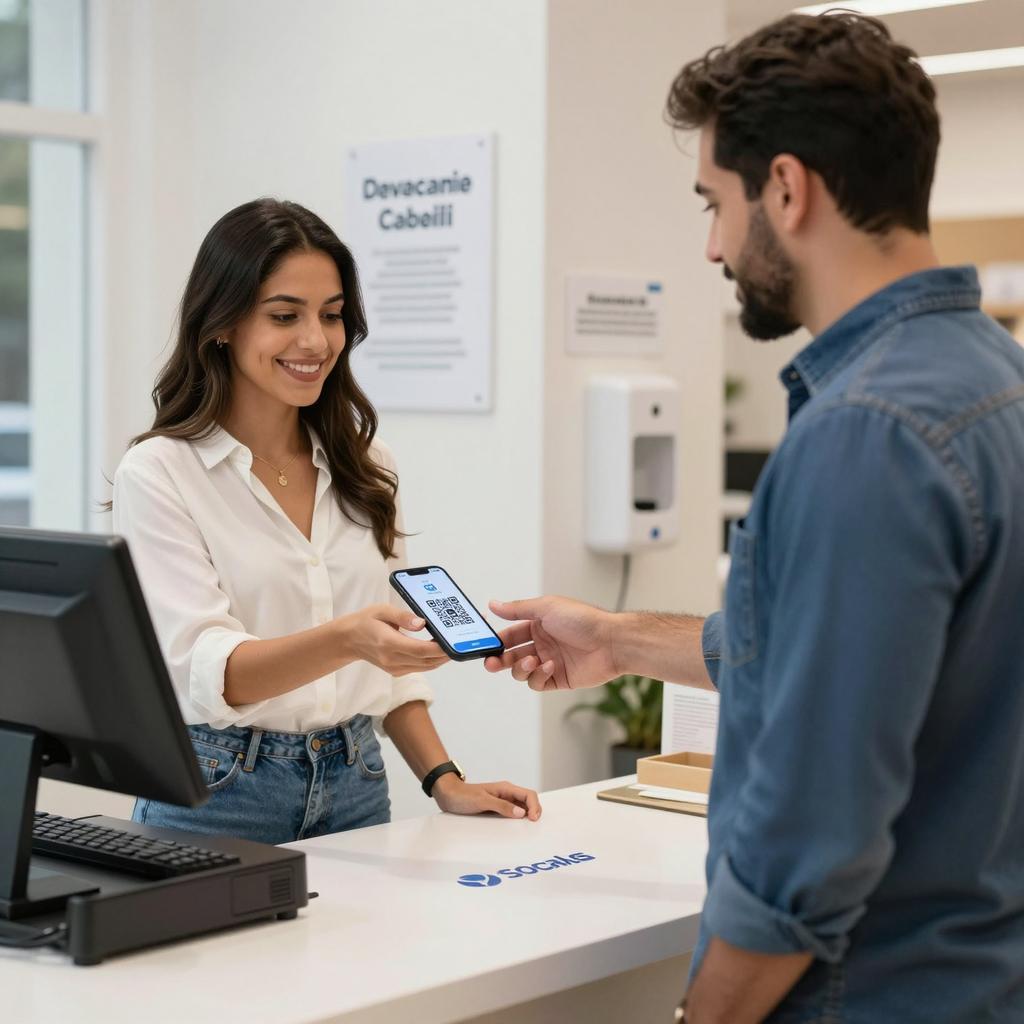
In the wake of COVID-19, QR codes graduated from novelty to necessity, surfacing as the fastest path to contactless checkout for merchants of every size. With near‑universal smartphone penetration and no specialized hardware required, QR codes slotted neatly into lean operating models and customer journeys already moving online. The data bears this out: the McKinsey Global Payments Report 2023 highlights the sustained acceleration of digital payments and merchant digitization that began during the pandemic and has since hardened into long-term behavior.
From hygiene imperative to habit
What began as a hygiene imperative quickly became a habit loop: scan, pay, go. Consumers embraced the speed and control of phone‑based checkout, while merchants appreciated lower costs and faster deployment than NFC terminals. Analysts now forecast QR spend to keep climbing on the back of financial inclusion and small‑merchant adoption—see the Juniper Research forecast on QR payments after COVID‑19 for a clear view of momentum and market drivers.
Standards and Interoperability: The Quiet Engine
The post‑pandemic surge worked because rails and rules matured in parallel. EMVCo’s specifications for merchant‑presented and consumer‑presented QR, including guidance on static vs. dynamic codes, have underpinned safer, interoperable acceptance across markets. These standards reduce ambiguity for gateways, wallets, and acquirers, enabling scale. For reference, review the EMVCo EMV QR Code Specifications that many payment ecosystems use to align data elements and security controls.
National QR schemes prove the model
Countries that consolidated fragmented schemes into one national standard demonstrated the business upside: simpler merchant onboarding, better consumer UX, and network effects that cut acceptance friction. Singapore’s unified scheme is instructive—SGQR folds multiple providers into one code to streamline acceptance. The Monetary Authority of Singapore’s SGQR standard shows how policymaker coordination can catalyze scale while preserving competition.
Security has matured with tokenization and risk controls
Security advances have kept pace. Dynamic QR (generated per transaction) minimizes code tampering and supports cryptographic validation; pairing it with tokenization, risk‑based authentication, and device biometrics neutralizes many legacy fraud vectors. Combined with geo‑velocity checks and behavioral analytics, modern QR acceptance now rivals card‑present resilience. The result: fewer false declines, better approval rates, and confidence for higher‑value use cases like bill pay and recurring digital commerce.
Business Impact: Leaner Operations and Richer Data
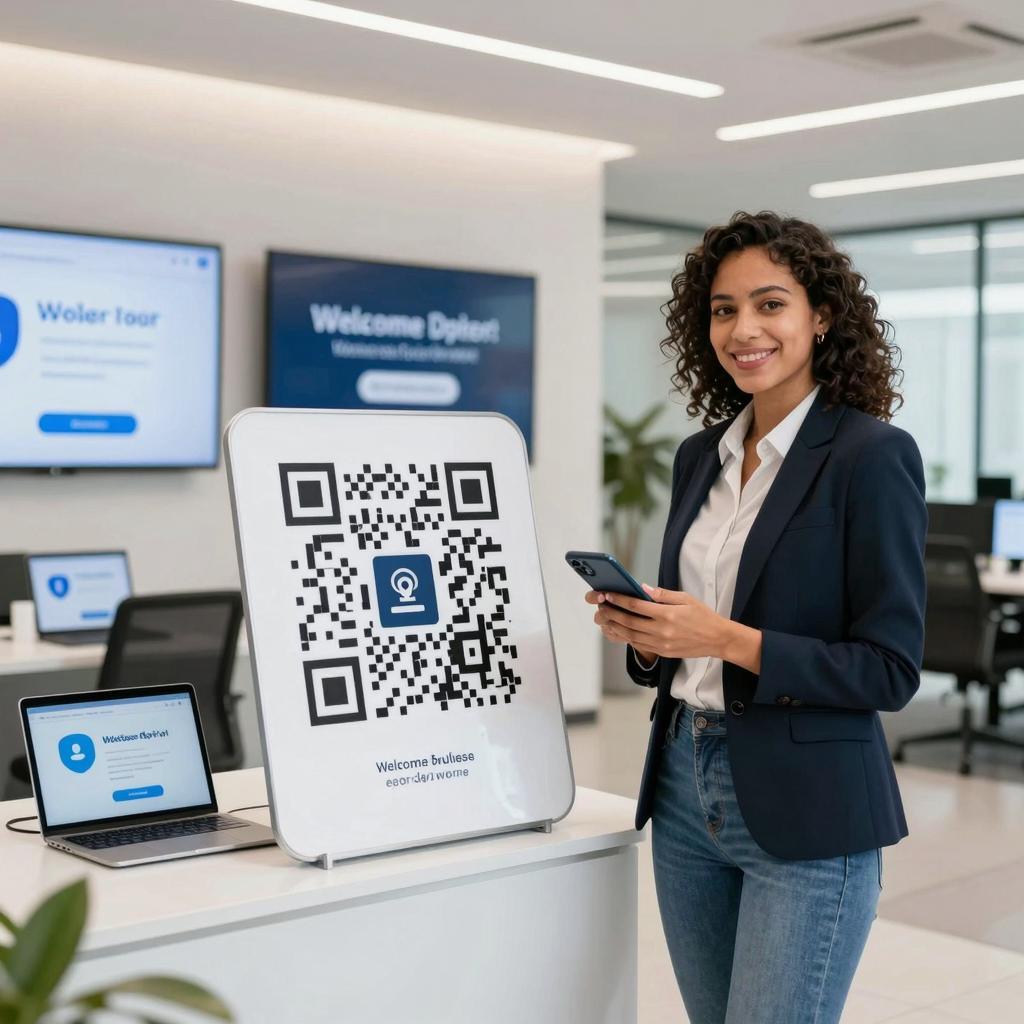
For merchants, QR codes in business are not just a payment alternative—they are digital transformation tools. Compared with traditional terminals, QR can trim CapEx, accelerate pop‑up and curbside launches, and unlock unified checkout across in‑store, at‑table, and out‑of‑home touchpoints. Because QR is inherently digital, it stitches payments to CRM, loyalty, and receipts, powering modern marketing strategies like personalized offers, post‑purchase surveys, and cart‑recovery nudges—all without adding checkout friction.
Best-practice rollout for SMBs
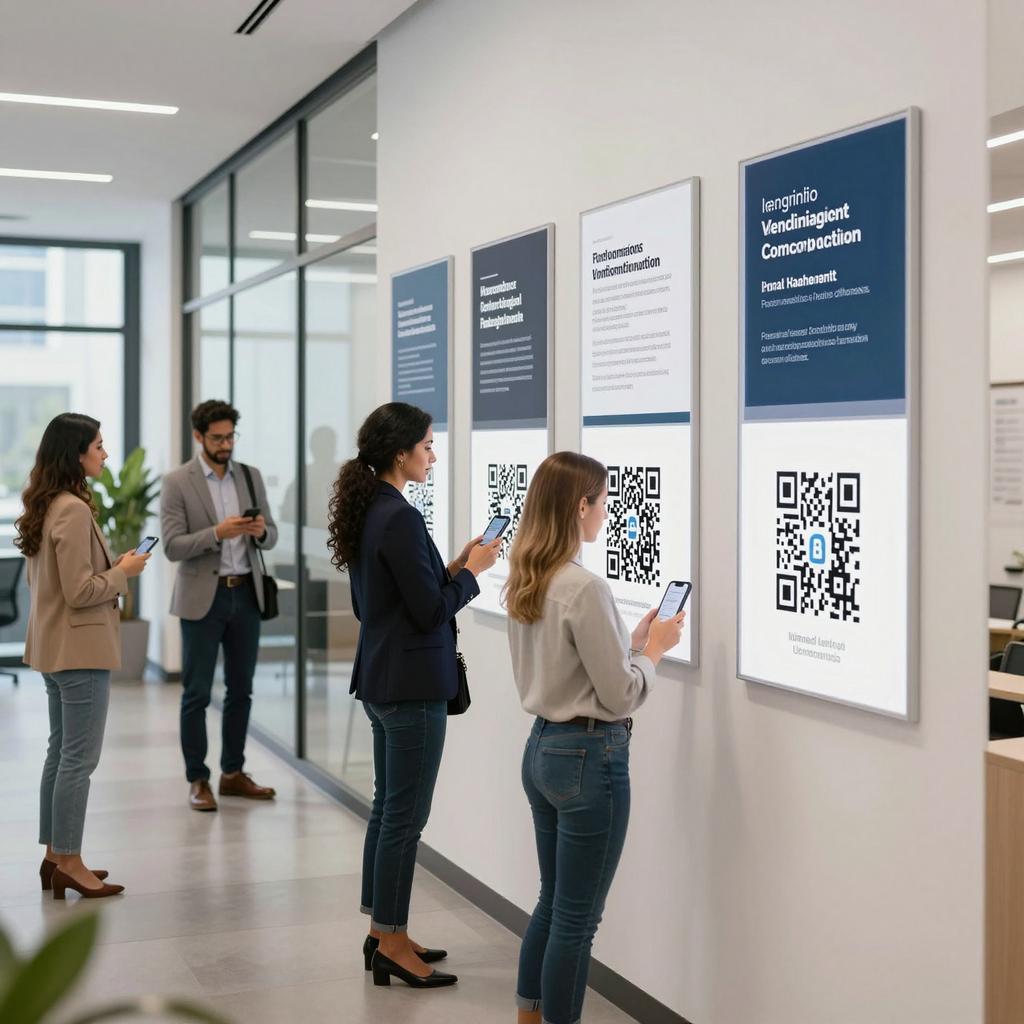
Start simple with a certified PSP that supports EMV‑aligned dynamic QR and major local wallets. Embed branded QR in menus, signage, and packaging to extend reach beyond the till. Auto‑issue digital receipts and capture consented first‑party data for lifecycle marketing. Train staff to guide customers on scan‑to‑pay steps and set clear fallbacks (NFC, link‑based pay). Finally, monitor approval rates and chargeback patterns to fine‑tune risk settings and routing.
What leaders should watch next
Expect more cross‑border QR interoperability, wider ISO 20022 data use for reconciliation, and AI‑driven fraud controls that adapt in real time. As these pieces land, QR will continue to compress checkout friction while enriching data that fuels growth. The takeaway: treat QR as a strategic acceptance layer, not a stopgap—when linked to inventory, messaging, and analytics, it becomes a durable engine for revenue, loyalty, and efficiency in a post‑pandemic economy.