Beauty & Cosmetics: QR Codes for Ingredient Transparency and Authenticity
The new trust currency in beauty: scannable transparency
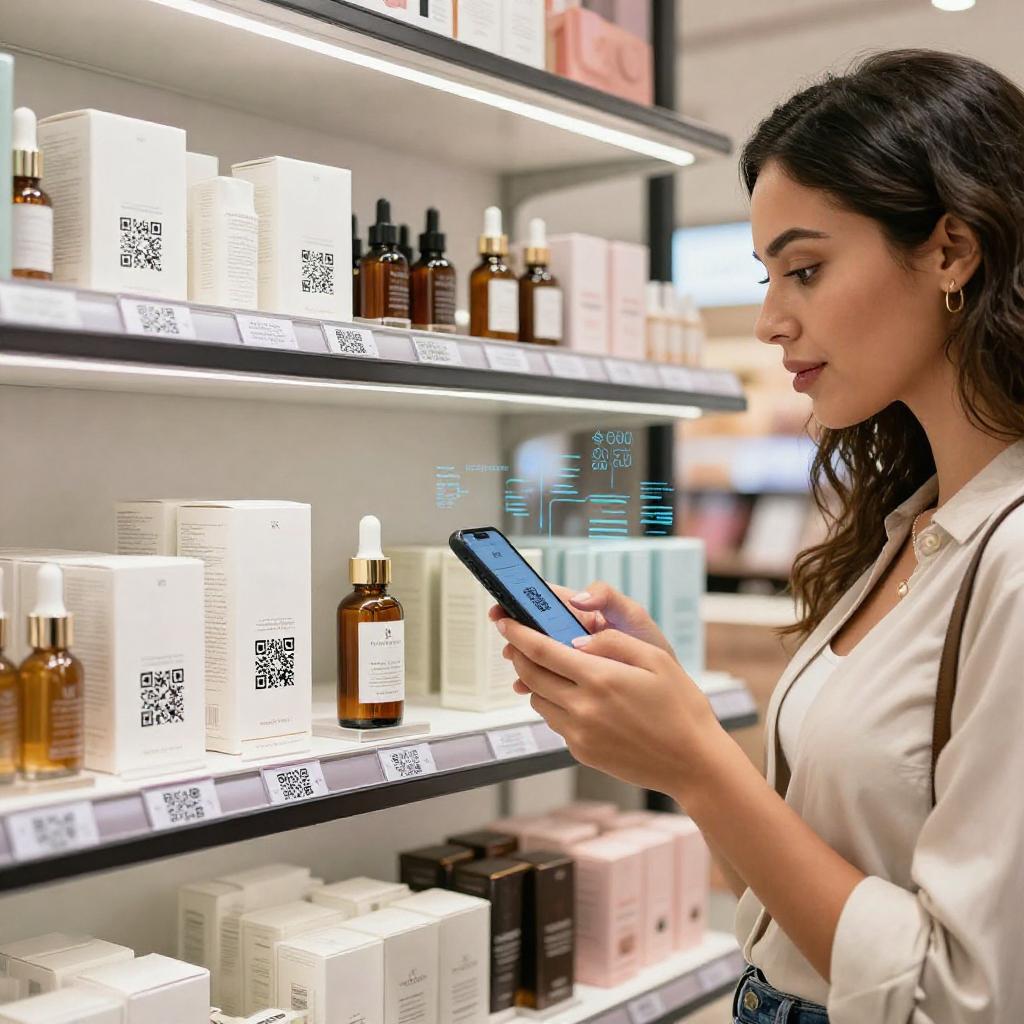
Beauty shoppers today don’t just want a product that performs; they want proof. QR codes in business have become a practical bridge between the packaging in a shopper’s hand and the verified facts behind it—ingredients, sourcing, and authenticity—delivered instantly to a phone. As digital transformation tools mature, smart packaging is evolving from a novelty to a core pillar of modern marketing strategies, helping brands build confidence, reduce friction at purchase, and support post-sale engagement.
Ingredient transparency consumers can verify
When a customer scans a code on a serum or lipstick, they expect a clear, mobile-first view of what’s inside and why it’s safe. That means INCI names, potential allergens, claims substantiation, and care instructions, all presented in plain language and localized for the market. Standards matter here: the GS1 Digital Link framework for brands turns a single 2D code into a gateway for trustworthy, up-to-date product data, ensuring every scan resolves to the right content for the right context.
Authenticity as a growth lever
Counterfeits erode revenue and reputation in beauty. Linking each item to a secure, standards-based digital identity enables on-the-spot verification by retailers and consumers, reducing gray-market leakage and boosting confidence in premium lines. For teams evaluating solutions, this overview of 2D codes and GS1 Digital Link considerations for authentication programs highlights how to future‑proof specs, manage content, and integrate anti-tamper or serialization signals without compromising design.
Why GS1 Digital Link beats basic QR codes
Not all QR codes are equal. Static links quickly age, fragment data, and complicate global rollouts. By contrast, the standards-based approach in the GS1 Digital Link overview supports dynamic routing by market, device, and user role; connects directly to GTINs and related identifiers; and keeps packaging current without reprints. The result: fewer dead links, consistent product truths across regions, and the agility to meet new disclosure rules without redesigning every label.
Compliance context: labels first, QR for depth
In the U.S., the physical label still does the legal heavy lifting. The FDA summary of cosmetics labeling requirements makes clear that ingredient declarations must appear on-package and be readable at point of sale. QR codes complement—rather than replace—these disclosures by expanding details (e.g., sourcing stories, safety summaries, and regulatory variations) and by supporting MoCRA-era expectations for robust product information and adverse event readiness.
What to show after the scan
Design the post-scan experience to answer real questions in seconds: full INCI list with plain-language definitions; potential allergens and safety notes; batch and lot for traceability; country of origin and responsible sourcing claims; usage tips and tutorials; refills, recycling, or take-back guidance; and proof points for efficacy claims. Then layer in modern marketing strategies—shade matching, regimen builders, loyalty enrollment, or live chat with experts—so transparency also drives measurable conversion and retention.
Implementation playbook and ROI
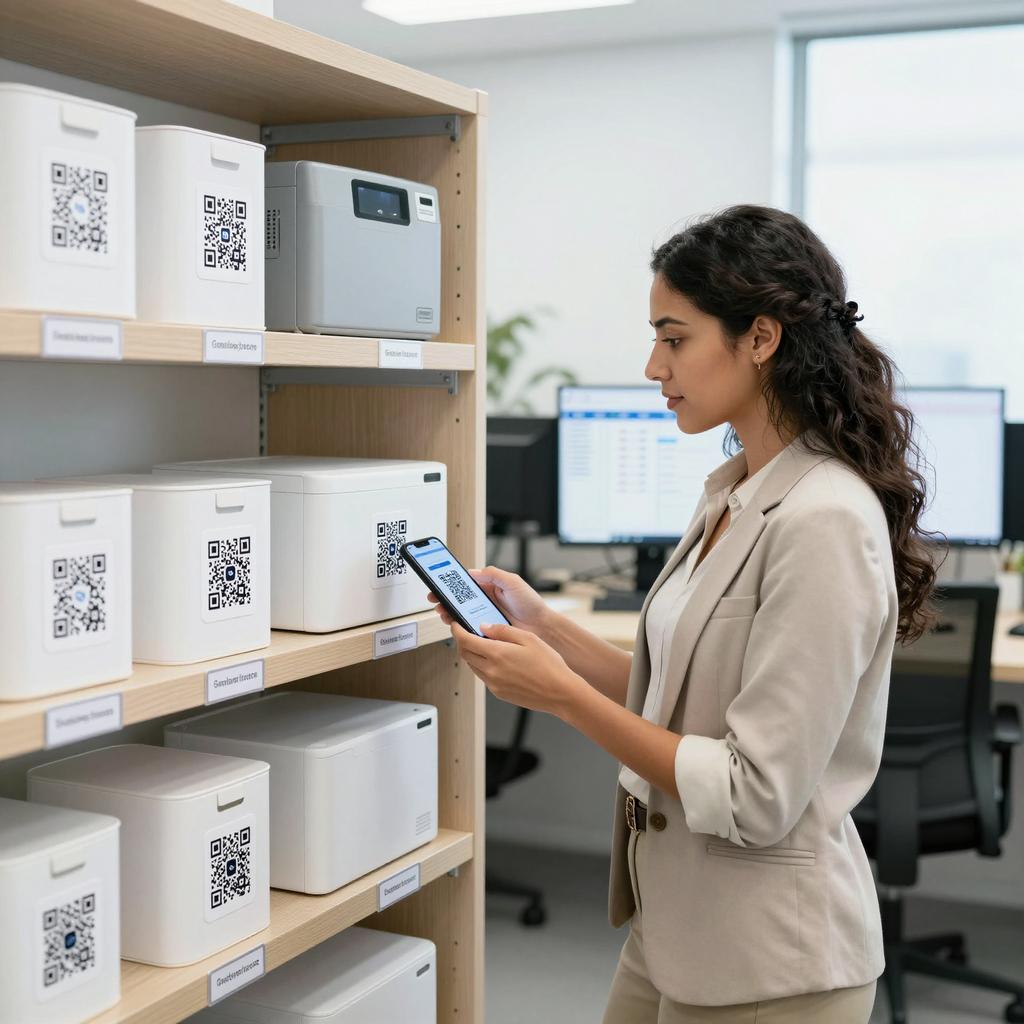
Start with a clean product data foundation (GTINs, attributes, media, and regulatory fields), choose standards-compliant 2D codes, and centralize content so updates cascade globally. Map scan journeys to customer intents, track KPIs like scan-through rate, add-to-bag uplift, repeat purchase, support deflection, and counterfeit interception, and integrate results into merchandising and lifecycle marketing. Treated as enterprise-grade digital transformation tools, smart codes reduce relabeling costs, accelerate launches, and turn every package into a persistent, performance-marketing channel.
A phased roadmap for global brands and indie labels
Pilot on a hero SKU to validate content and analytics, expand to sensitive categories (skincare, sun care) where ingredient transparency and authenticity matter most, then standardize across the portfolio with governance for content quality and localization. The takeaway is simple: standards-based QR unlocks credible ingredient transparency and verifiable authenticity while powering modern marketing strategies that convert. Brands that move now will own the trust moment at the shelf—and every scan that follows.