QR Codes for Corporate Events and Conferences
Why QR Codes Belong in Corporate Events
From check-in to content delivery
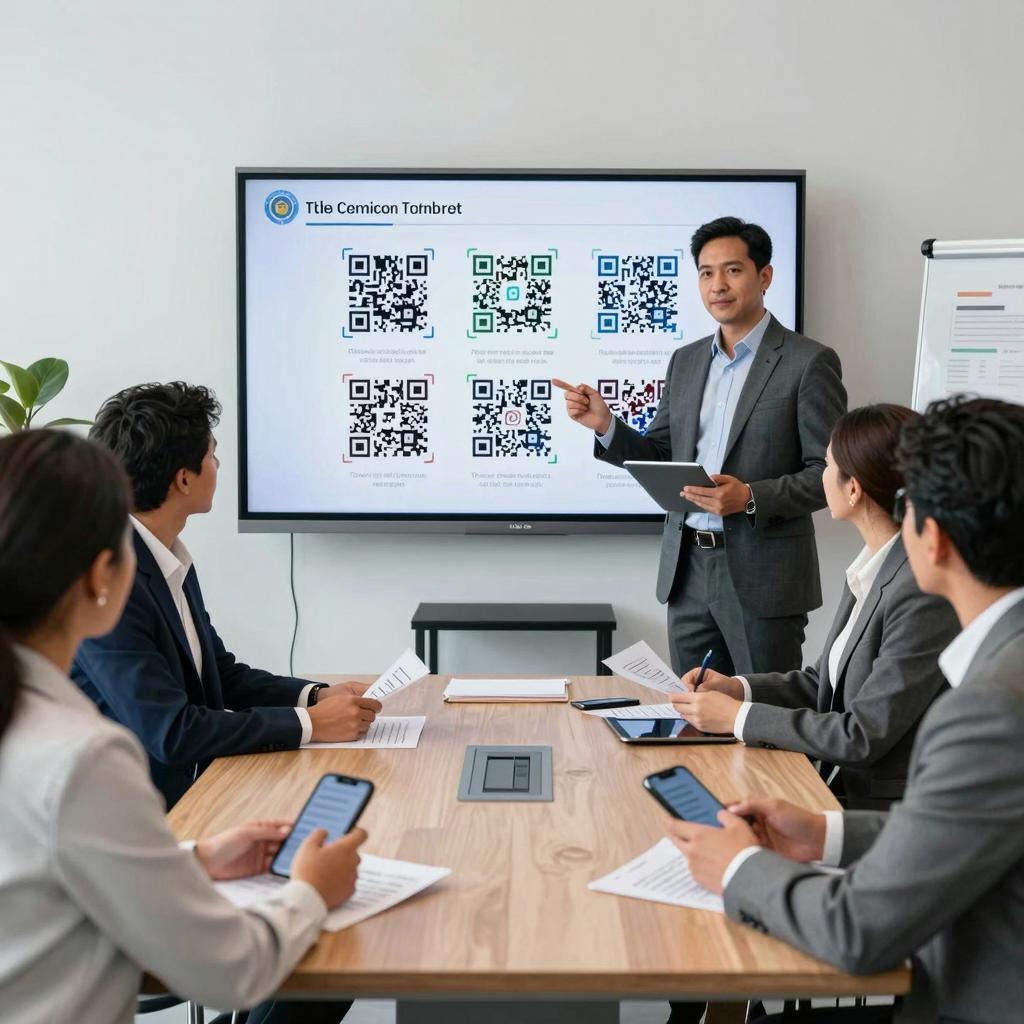
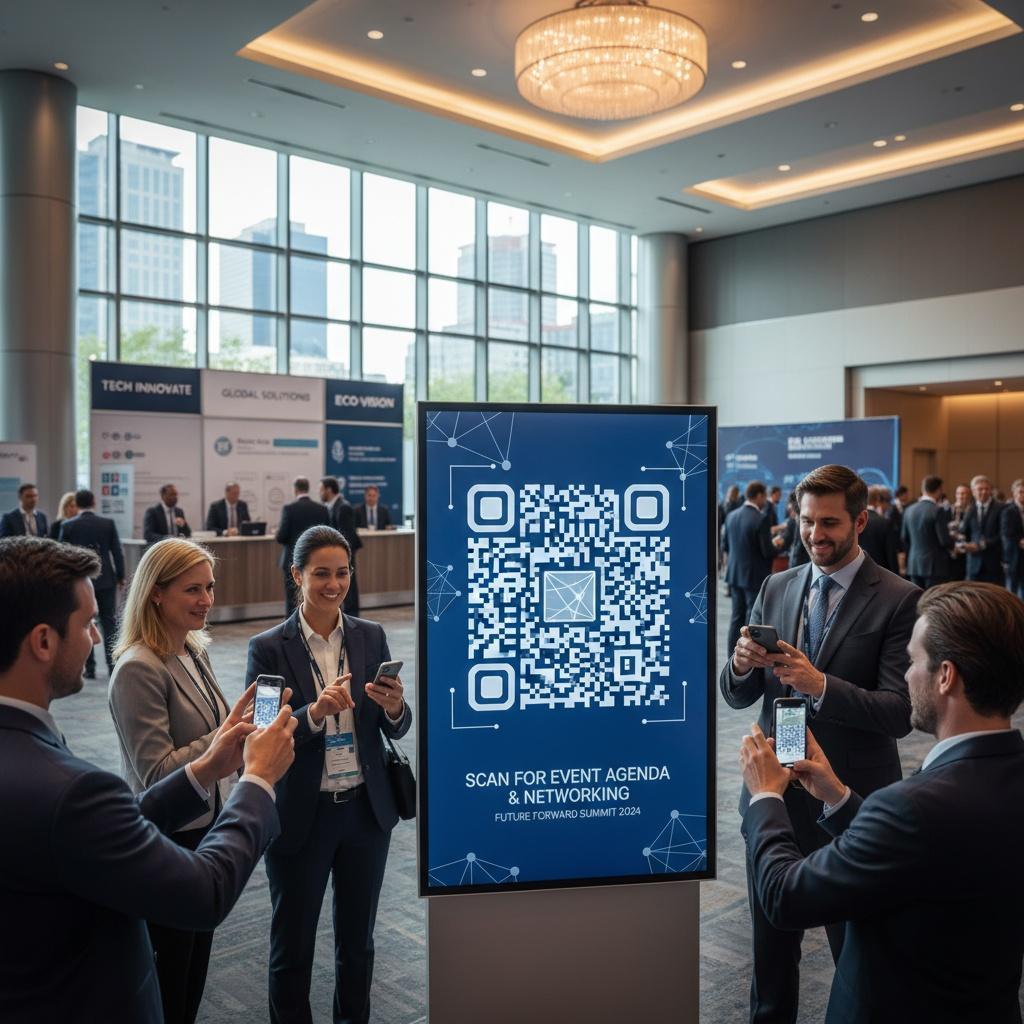
QR codes in business have evolved from simple shortcuts into full-fledged digital transformation tools for events. At corporate conferences, they streamline every touchpoint: contactless check-in, session access, agenda downloads, lead capture, feedback, and post-event content. When designed with intention, QR workflows remove friction for attendees while giving organizers real-time visibility into the attendee journey, bridging onsite experiences with modern marketing strategies and CRM funnels.
Speed, accuracy, and cost savings
Beyond convenience, QR programs deliver measurable operational gains. Scans accelerate entry lines, reduce staffing needs, and cut printing waste. Automated validation reduces errors compared to manual lookups, while dynamic badges and mobile passes lower reprint costs. The sustainability upside matters too: fewer paper agendas, fewer plastic badges, and more digital content. For enterprise teams under budget and time pressure, QR-led workflows are a pragmatic way to modernize without bloated tech stacks.
Practical Use Cases and Setup
Frictionless registration and badging
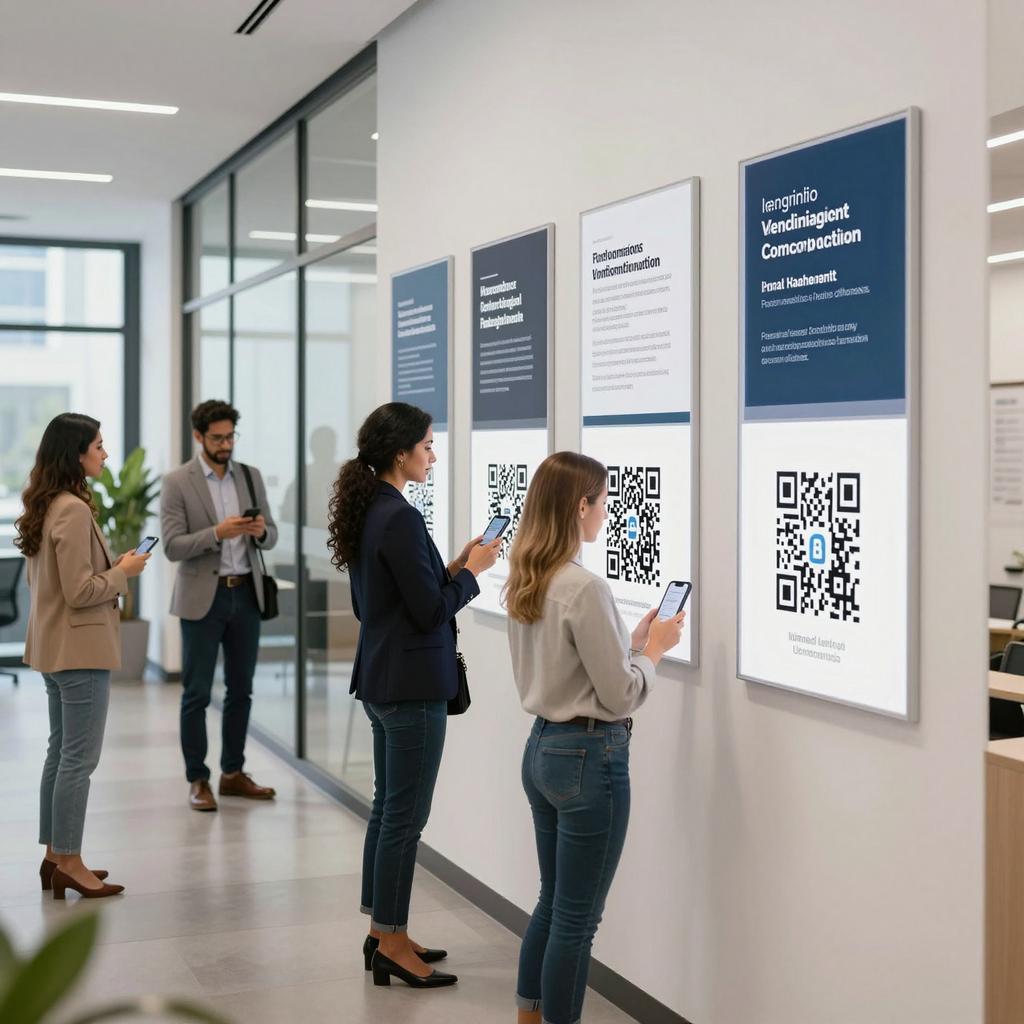
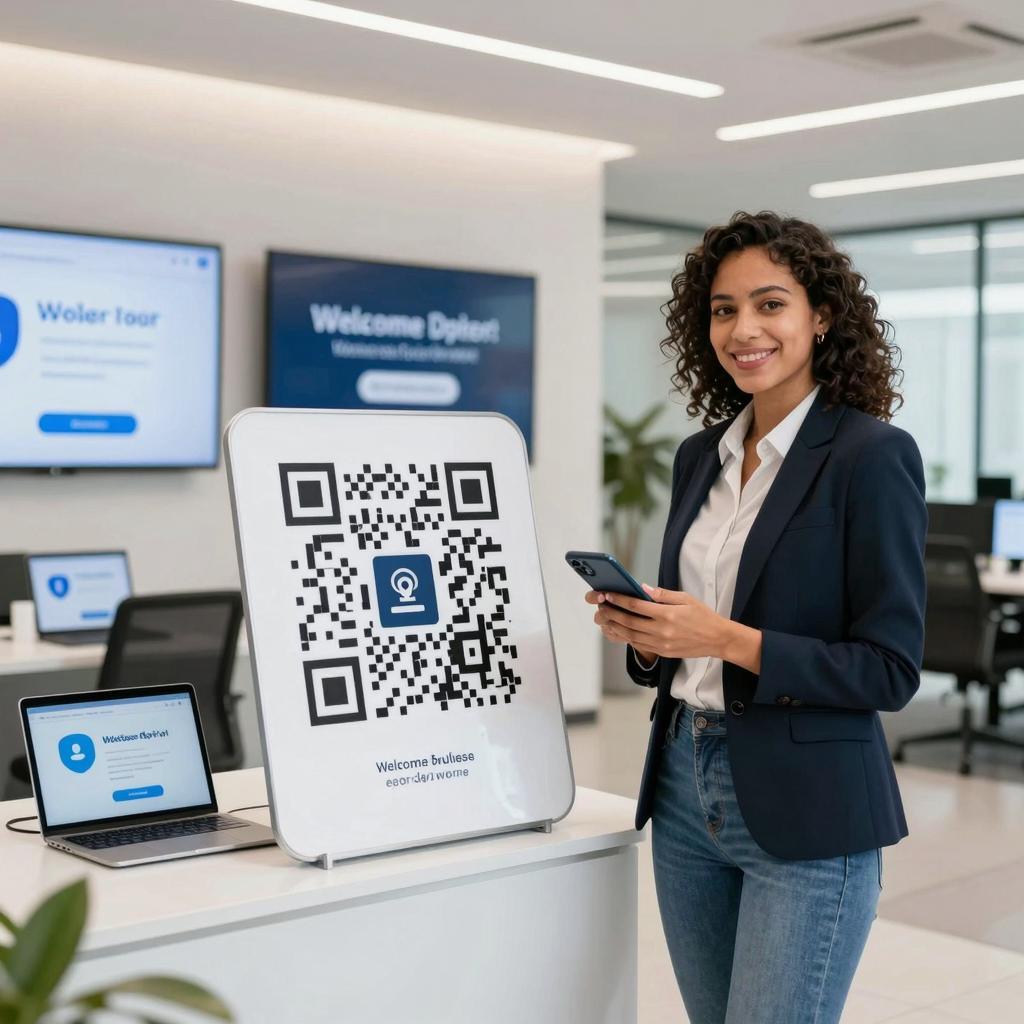
For registration, pair unique attendee QR codes with scanners at multiple entry points to eliminate bottlenecks and instantly print badges if needed. Build redundancy with offline-capable scanners, and empower roaming staff with handheld devices for VIP lines. For process playbooks and station layout guidance, see QR code check-in best practices for large conferences, which outlines queue design, device setup, and real-time data sync fundamentals.
Live engagement and session tracking
Distribute QR codes for session access, CE credit tracking, and instant content delivery. Use them to launch live polls, capture NPS, or deep-link to mobile agendas. A practical overview of use cases is in this comprehensive guide to using QR codes at events for engagement and access, which highlights how codes can tie speakers, sponsors, and resources into a single, trackable experience path across the venue.
Lead capture and exhibitor value
Give exhibitors a branded scanner app or allow them to scan attendee badges with role-based permissions. Use dynamic QR codes tied to attendee profiles, capture consent at the point of scan, and push clean leads to your CRM with UTM-tagged sources. This turns QR-driven interactions into attributable pipeline, helping sponsors prove ROI and giving organizers the data to price and package future sponsorships more effectively.
Governance, Analytics, and ROI
Data, privacy, and security by design
Security must be baked in. Favor platforms that support rotating or tokenized codes, scoped permissions, and audit trails. Configure data minimization, consent capture, and retention rules aligned to policies like GDPR. For a practical overview of operational safeguards and setup, review this event QR code check-in overview and security considerations, then align your legal and IT stakeholders on acceptable use before launch.
Measuring impact across the attendee journey
Track adoption rates, scan-to-entry time, session dwell, survey completion, lead quality, and post-event content access. Benchmark your stack against market options to ensure features like offline mode, SSO, badge printing, and CRM integrations meet enterprise needs. This 2025 comparison of leading QR code check-in systems helps frame capabilities and trade-offs when selecting a platform to support both scale and data integrity.
Action plan for your next conference
Start with one pilot flow, such as QR-based check-in, then extend to session tracking and lead capture. Map QR endpoints to your marketing automation and BI dashboards, define KPIs that matter to stakeholders, and train staff on escalation paths. With QR codes in business serving as versatile digital transformation tools, the winning strategy is simple: focus on moments of friction, instrument them with scannable micro-journeys, and convert those scans into insights that power modern marketing strategies and a better attendee experience.