QR Code Contests: Viral Mechanics That Drive Engagement
QR code contests have evolved from novelty to necessity, becoming a reliable lever in modern marketing strategies for brands that want measurable, low-friction engagement. As QR codes in business move from menus and posters to product packaging and live events, they act like digital transformation tools that bridge offline attention with online action—instantly. When designed as scan-to-win, sweepstakes, or gamified treasure hunts, these experiences turn curiosity into participation, participation into data, and data into enduring customer relationships.
Why QR Code Contests Work
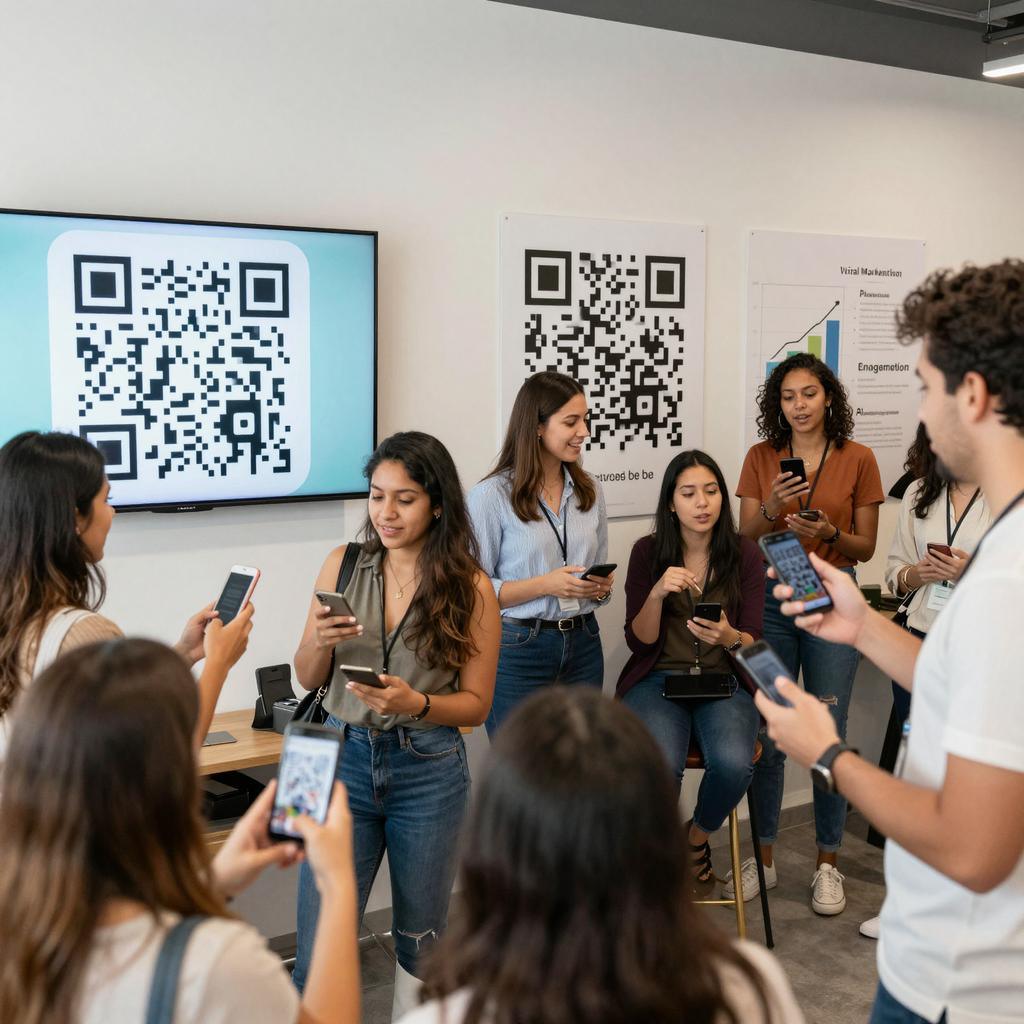
Contests tap fundamental human motivators—curiosity, urgency, and reward—while QR codes remove the friction that often kills participation. The simple “see it, scan it, win it” arc draws on the same impulses that made the bouncing QR code Super Bowl moment so compelling: attention is captured in a second, and the payoff feels immediate. Add clear incentives and a crisp user journey, and QR code contests become a high-velocity engine for awareness, opt-ins, and conversions.
The Curiosity-to-Action Loop
Great QR activations compress the funnel. A striking visual prompt and a time-bound hook lead to a lightweight landing page, a single permission ask, and an instant outcome (e.g., an instant-win reveal, a discount, or sweepstakes entry). Each step satisfies the participant’s curiosity and unlocks the next micro-commitment, increasing completion rates and creating a positive feedback loop that fuels repeat scans and shares.
Frictionless Participation and Attribution
Smartphones natively read QR codes, which means zero-download, near-zero-friction onboarding. That ease pairs with precise attribution: dynamic QR parameters let marketers tie scans to creative, location, time, and channel. This is critical as cookies fade and first-party data grows in value. For additional social proof, consider Adweek’s research on consumer willingness to use QR codes, which shows the format’s mainstream acceptance and highlights the opportunity to capture intent at the moment of attention.
Design Mechanics That Scale Virally
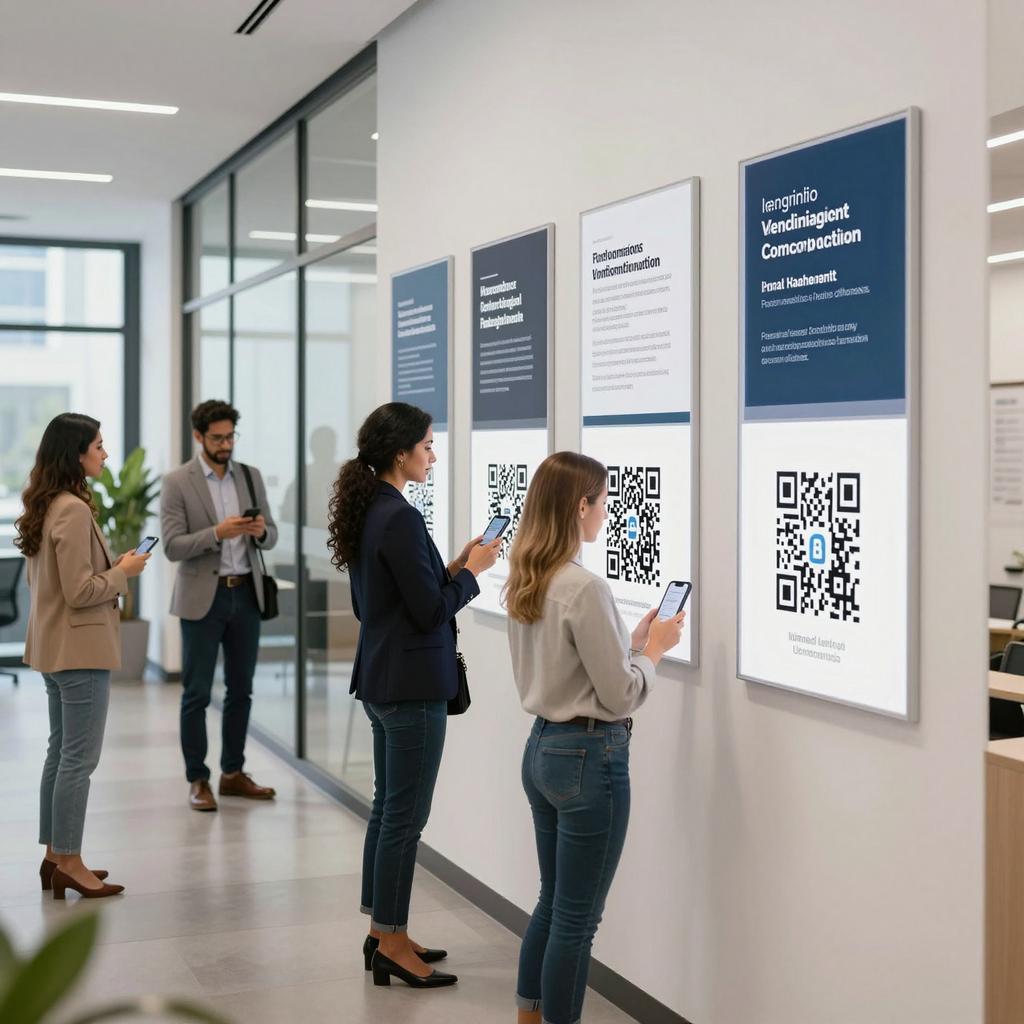
Move beyond a one-and-done scan. Architect multi-step mechanics that reward deeper engagement: streak-based entries across multiple days, geo-gated bonus entries at retail, share-to-unlock multipliers, or user-generated content challenges that showcase your product. Seed these mechanics across packaging, OOH, in-store displays, direct mail, and events to create an always-on lattice of micro-moments that compound reach and conversion.
Incentives That Compound Reach
Tune rewards for momentum, not just sign-ups. Tier prizes so small wins are frequent (instant discounts, loyalty points), medium wins are meaningful (exclusive access, limited drops), and grand prizes create buzz. Add referral boosts (e.g., +3 entries per friend) and milestone bonuses for repeat scans. Scarcity and deadlines drive action; transparency and clear odds sustain trust. Always comply with regional sweepstakes and disclosure requirements.
Safe, Privacy-Aware Implementation
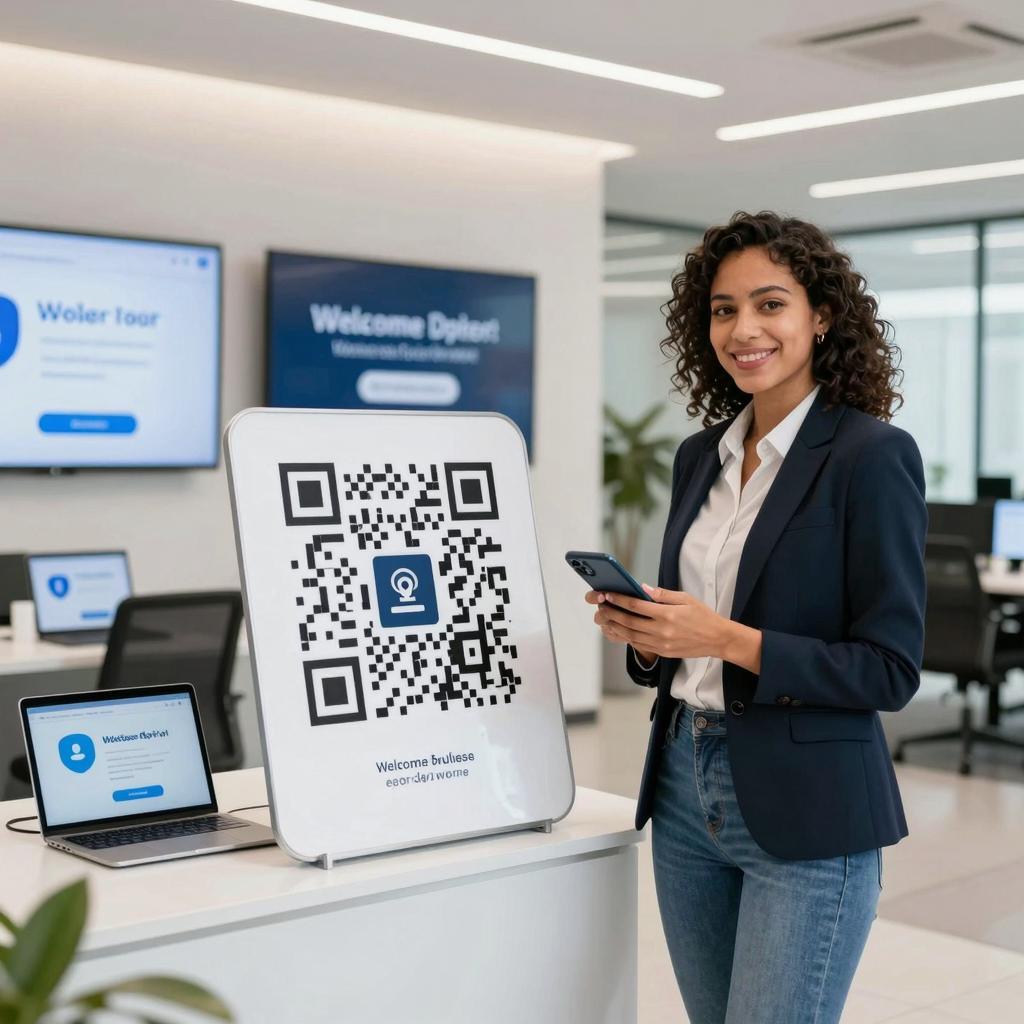
Security and trust are non-negotiable. Use HTTPS everywhere, rate-limit endpoints, validate redirections, and protect against bot abuse. Keep entries minimal—collect only what you need—and explain value exchange clearly. Route scans to first-party destinations to build durable audiences and measure lifetime value, not just entries. For a market-level perspective on adoption and outcomes, see Insider Intelligence’s eMarketer analysis on how brands leverage QR codes, which underscores QR codes’ role in data capture, personalization, and channel attribution.
Conclusion
QR code contests succeed because they merge attention, motivation, and measurement into a single, scannable moment. For companies prioritizing QR codes in business and investing in digital transformation tools, the playbook is clear: define a crisp incentive, minimize friction, instrument everything for attribution, and design mechanics that reward sharing and repeat engagement. Done well, scan-to-win becomes more than a stunt—it’s a sustainable acquisition and retention strategy within modern marketing strategies, turning real-world curiosity into long-term commercial outcomes.