QR Codes in Email Marketing: Click-Through Rate Optimization
Why QR codes belong in your email strategy
Inboxes are noisy, but the path to action doesn’t have to be. QR codes in business emails bridge the gap between attention and outcome by transporting subscribers from an on-screen message to a mobile-native experience in seconds. Used thoughtfully, they turn email into a launchpad for app opens, store visits, wallet passes, and event check-ins—exactly the kinds of actions that traditional links sometimes fail to spark. As digital transformation tools, QR codes complement modern marketing strategies by reducing friction, capturing cross-device intent, and unlocking richer attribution beyond standard click data.
How QR codes influence click-through behavior
Click-through rate (CTR) rises when you align the action with the device best suited to complete it. A QR code invites the scan on a phone—where buying, navigating, saving a pass, or opening an app is most natural. Visually, the code acts like a bold, square call-to-action that can outperform a text link for mobile-first tasks. It also creates a micro-commitment: the decision to scan tends to signal higher intent than a casual tap, often improving downstream conversion quality even if overall CTR changes modestly.
When QR beats blue links (and when it doesn’t)
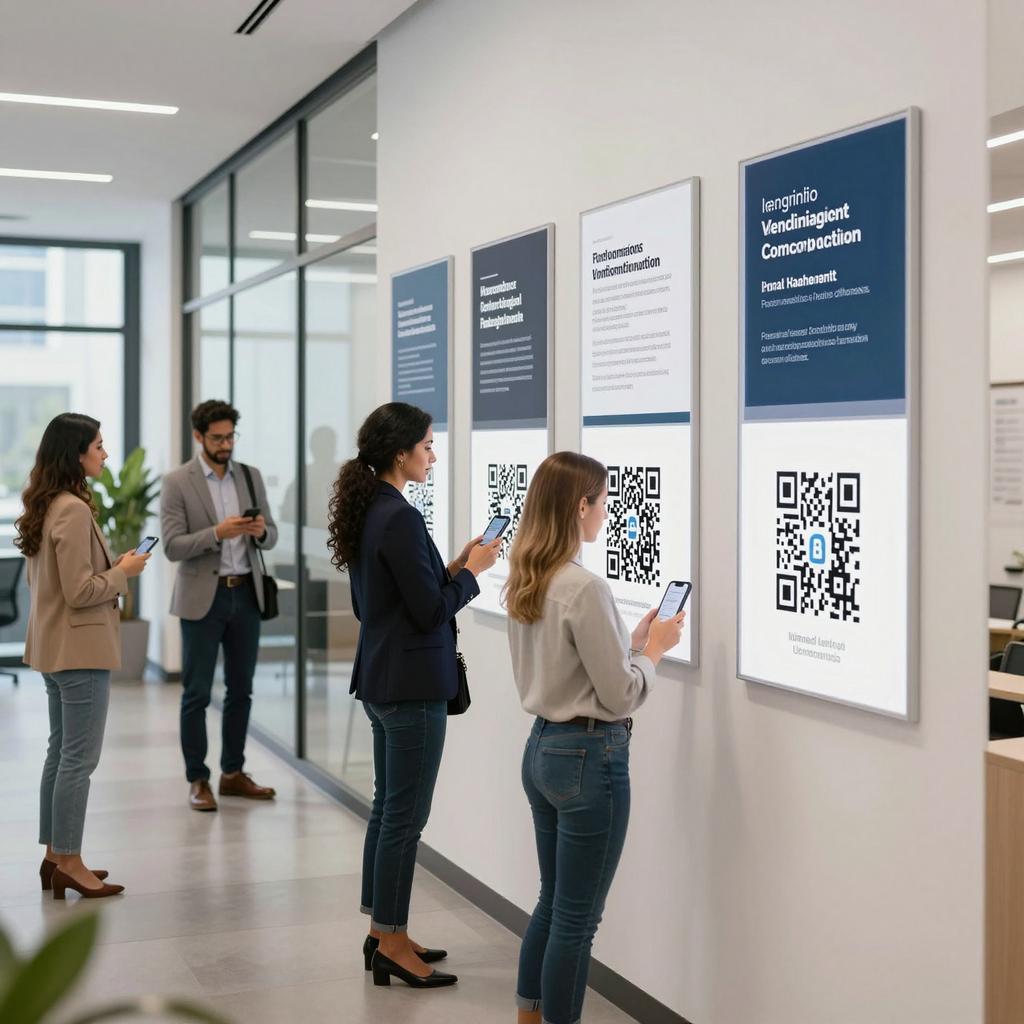
QR codes shine in cross-device moments: a subscriber reads your email on desktop, then scans with their phone to complete a task. They’re also powerful for physical experiences (events, in-store, pickup) initiated from email. But remember: if someone opens on a smartphone, they can’t scan a code on the same screen. Always pair a QR with a standard button or deep link so mobile opens still convert smoothly. The best practice is not QR versus link—it’s QR plus link, letting the subscriber choose the lowest-friction path.
Implementation best practices for CTR gains
Lead with value and clarity. Place a short, benefit-forward headline next to the code (for example, “Scan to save 20% today”) and send to a single, mobile-optimized landing page that loads in under two seconds. Use UTM parameters to preserve attribution and model how scans influence last- and multi-touch conversions. Add brief instructions (“Open your camera and scan”) and include a fallback text link under the image for accessibility. Treat the QR like any hero element: intentional spacing, strong contrast, and on-brand design that earns attention without overwhelming the message.
Placement, size, and CTA clarity
Position your QR above the fold in promotional emails and near the primary CTA in lifecycle flows. Aim for at least 160–200 px on the longest side for legibility, maintain a clear quiet zone, and use high-contrast dark-on-light styling. Pair with a direct CTA that communicates the immediate payoff (scan to claim, scan to check in, scan to track order). Avoid burying the code in the footer or stacking multiple codes that compete for attention—one purpose, one promise, one action.
Dynamic QR codes and analytics you can trust
Choose dynamic QR codes so you can update destinations without re-sending, run A/B tests, and segment post-scan experiences. Track scans alongside email metrics using UTMs and, where compliant, merge tags for campaign- or audience-level insights. For practical guidance on embedding and tracking, see Campaign Monitor’s guide to QR codes in HTML email. Treat data responsibly: avoid embedding personally identifiable information in the code itself, and ensure consent-based tracking practices.
Testing, measurement, and optimization
Measure scan-through rate (STR = scans ÷ delivered) alongside CTR, then watch what matters most—conversions after the scan. Test QR presence versus absence, CTA language, placement, and code styling. Monitor device and client context: desktop-heavy audiences typically show higher STR uplift. Combine results with downstream KPIs (orders, RSVPs, app activations) to validate business impact. If you’re new to setup, start with Campaign Monitor’s tutorial on creating trackable email QR codes, then layer in segmentation and dynamic destinations as wins compound.
Conclusion: A small code with outsized CTR impact
QR codes are a simple, scalable digital transformation tool that helps modern marketing strategies meet subscribers where they are—on mobile. Pair every code with a conventional link, articulate a clear value exchange, optimize the post-scan journey, and test relentlessly. Done right, you’ll lift CTR and, more importantly, unlock higher-intent actions that compound into revenue. The smallest square in your email can become the biggest driver of cross-device engagement and measurable growth.