Personal Shopper Integration: QR Codes for Virtual Consultations
Why QR-powered personal shopping is the next retail advantage
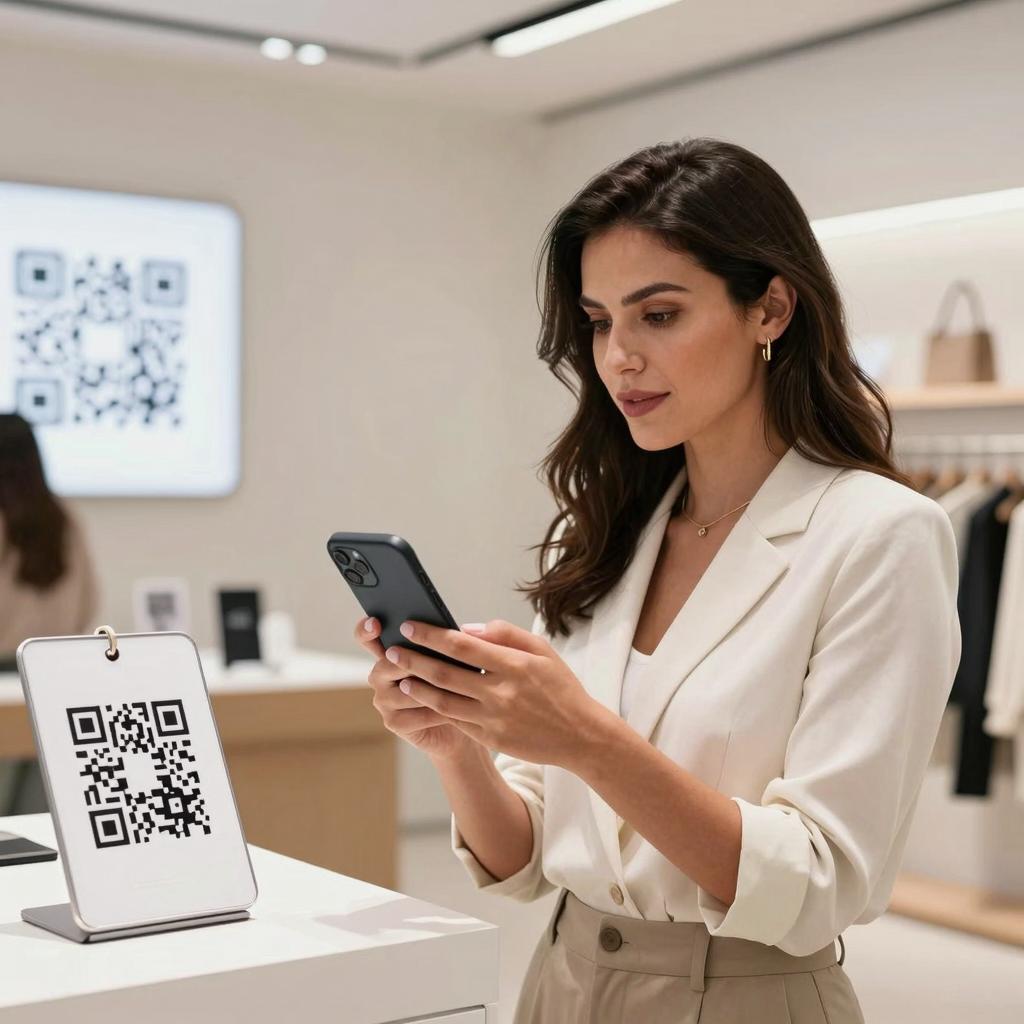
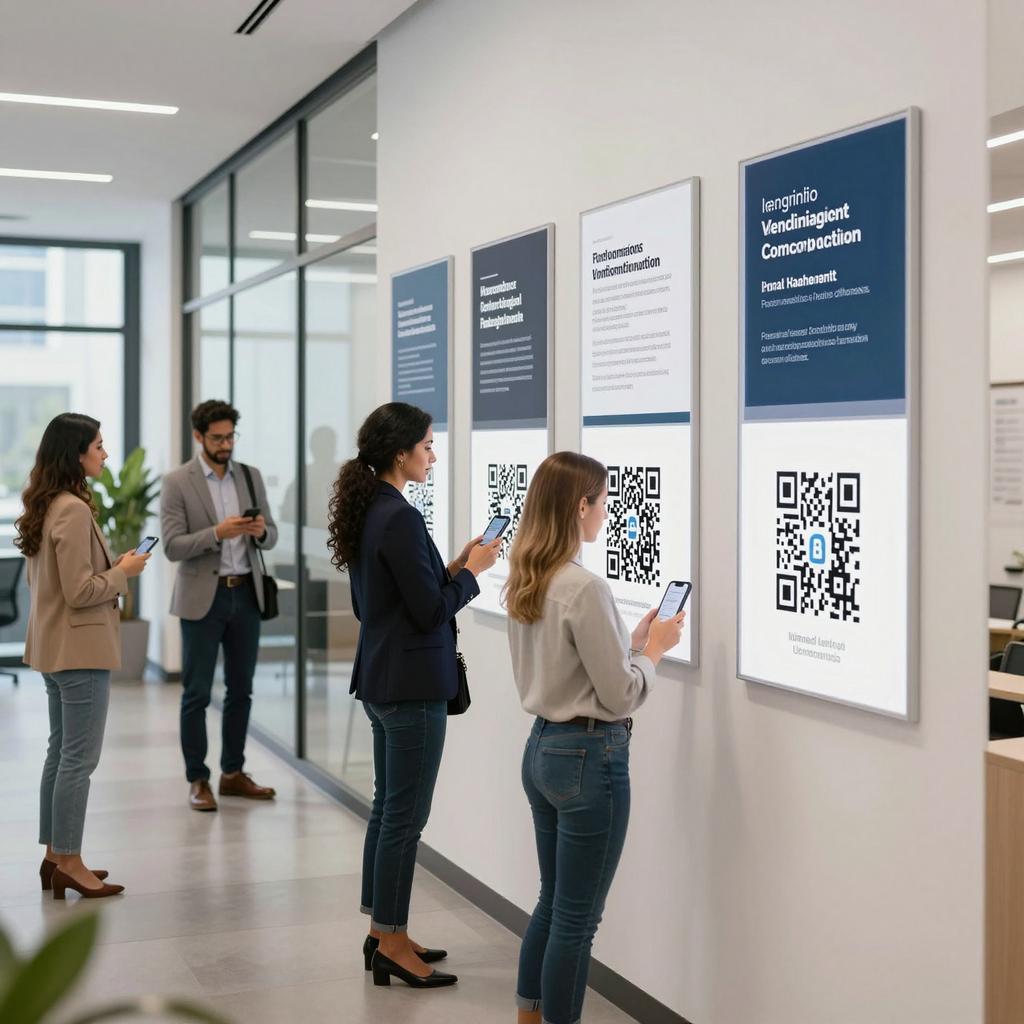
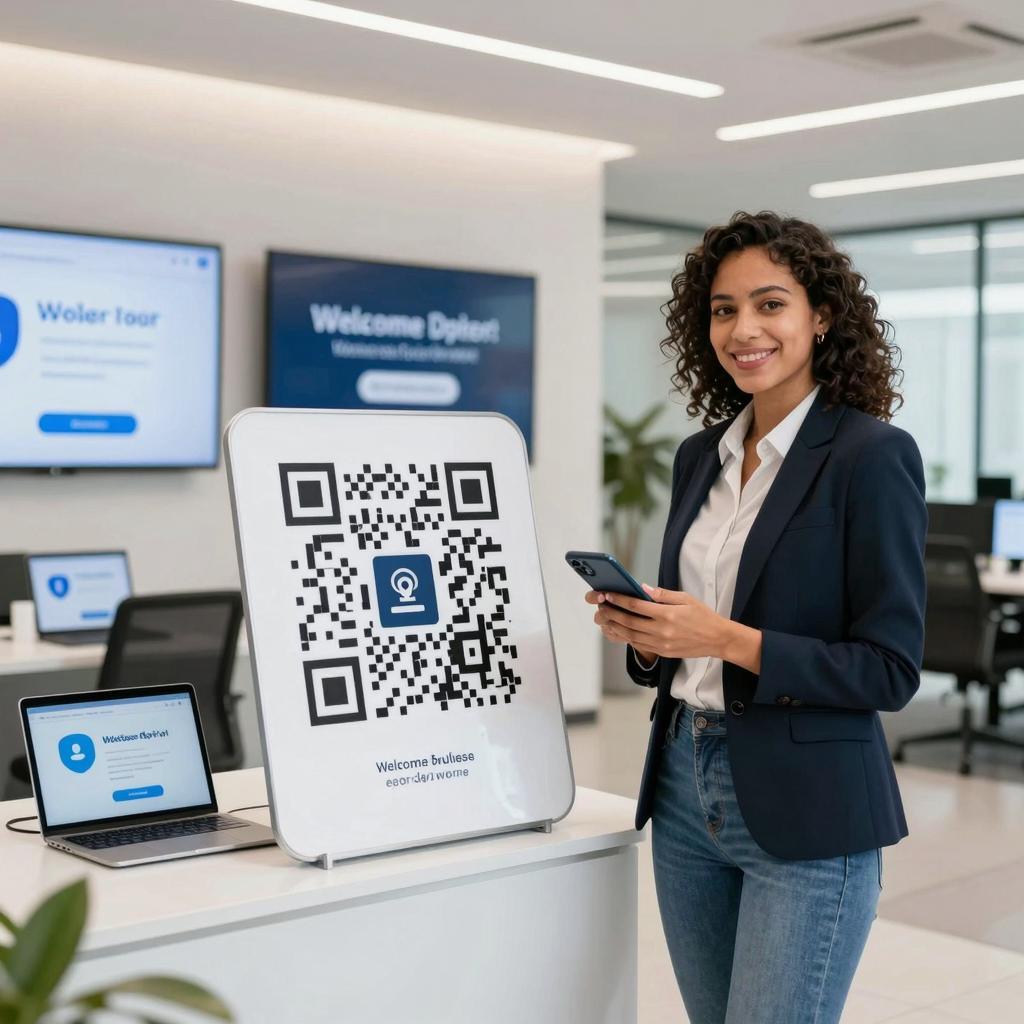
Retailers are blending human expertise with digital transformation tools by using QR codes in business to launch instant virtual consultations. A shopper scans a code on a window display, product card, or receipt, and within seconds they’re chatting with a stylist or category expert who can answer questions, curate options, and recommend next steps. This approach turns physical touchpoints into high-intent, one-tap gateways—an elegant example of modern marketing strategies that meet customers in the moment, wherever they shop.
How the experience works end to end
At the core is a simple, branded QR that routes to a mobile-first flow: a preference prompt, real-time queue, or calendar to book a personal shopper appointment. The flow can trigger a live video call, schedule a session, or open a messaging channel with rich media. Behind the scenes, deep links identify store, campaign, and product context, while CRM and inventory systems surface client history and available items. The result is a lightweight, scalable concierge model that feels bespoke without adding friction.
The business case: measurable ROI and smarter clienteling
Virtual consultations via QR codes lift conversion by reducing uncertainty at key decision points, and typically raise average order value through guided bundling and cross-sell. They also improve floor productivity by matching demand to the right expert, wherever that expert sits. Track KPIs like scan-to-consult rate, time-to-connect, consult-to-purchase conversion, AOV, NPS, and return rate. For a quick primer on how QR journeys drive retail engagement and loyalty, see Bitly’s analysis of QR codes in retail engagement: Bitly’s analysis of QR codes in retail engagement.
Design and UX considerations that reduce friction
Great outcomes depend on great execution. Codes must be scannable at arm’s length, with sufficient contrast, quiet zones, and clear affordances like a concise call-to-action (“Scan to speak with a stylist now”). Always provide a visible fallback URL and an SMS option for users who can’t scan. Use deep links to minimize taps and prefill context such as product, store, and campaign. For evidence-based design patterns that minimize scan failures and improve clarity, consult Nielsen Norman Group’s QR code usability guidelines: Nielsen Norman Group’s QR code usability guidelines.
Placement strategy: meet customers in their micro-moments
Place QR codes where shopper intent peaks: store windows after hours, fitting rooms, high-consideration shelves, packaging inserts, email footers, and social videos. On receipts and order tracking pages, offer a “Need help finalizing your look?” consult to prevent post-purchase regret. Experience research shows customers increasingly expect fast, self-initiated assistance on mobile; see Loop’s perspective on evolving customer expectations around QR interactions: Loop’s perspective on evolving customer expectations around QR interactions.
Privacy, consent, and data architecture
Treat scans as first-party engagement. Present clear consent for recording sessions and collecting preferences, and honor regional requirements (e.g., GDPR/CCPA). Pipe scan metadata, consult notes, and outcomes into your CDP so marketing, merchandising, and service share a single view. Tag events consistently (scan_source, location, product, outcome) to enable campaign-level attribution and cohort analysis across channels.
An implementation roadmap retailers can trust
Start with a focused pilot: one category, a handful of stores, and a defined service level (e.g., 5-minute connect time during peak hours). Train associated experts on structured discovery, guided selling, and on-brand sign-offs. Integrate with calendar, messaging, and POS to enable seamless quoting and payment links. Use dynamic QR codes to update routes as you iterate messaging and CTAs. For additional context on bridging offline and online journeys with codes, see refive’s overview of QR codes in retail: refive’s overview of QR codes in retail.
Measure, learn, and scale the winning playbook
Benchmark current conversion and AOV to quantify lift from QR-driven consultations, then expand to new categories and seasons. A/B test CTAs (“Scan for a 10-minute fit check” vs. “Chat with a stylist now”), session formats (video vs. chat), and incentives (free alterations, bundle discounts). As you scale, codify expert playbooks and surface them inside the consult UI. The takeaway: QR-enabled personal shopping isn’t a gimmick—it’s a practical, high-impact way to marry human service with digital transformation tools, turning every touchpoint into a revenue-driving moment.