Friction Reduction in Customer Journeys: QR Codes as Shortcuts
Why Friction Reduction Matters in Modern Journeys
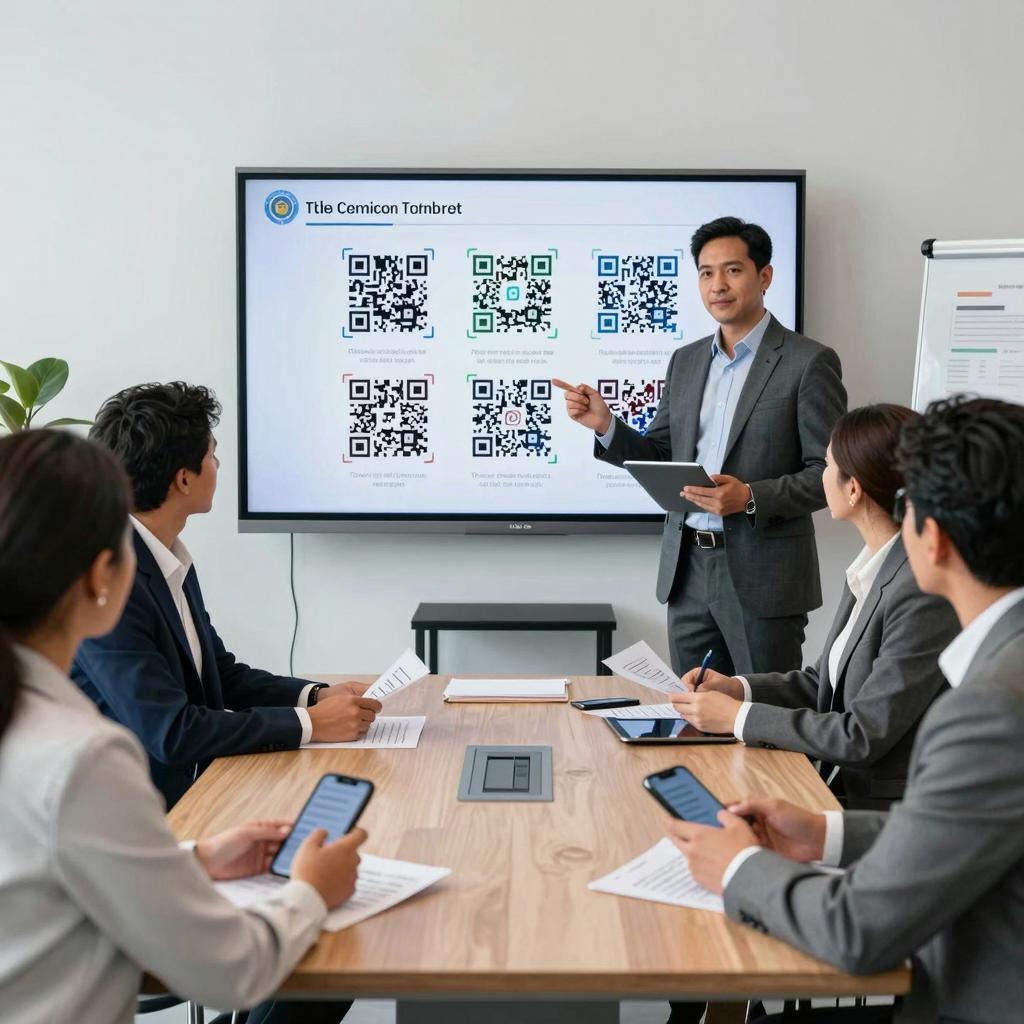
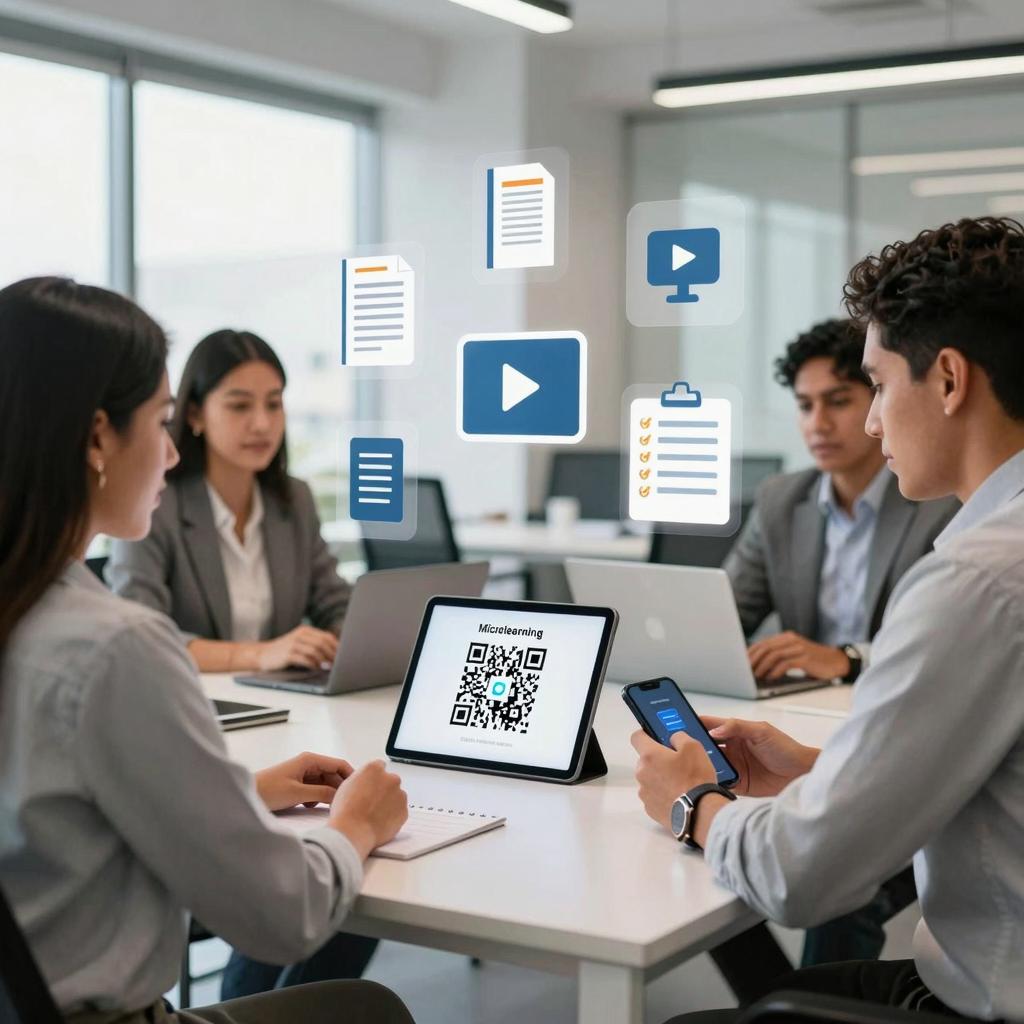
Every extra tap, search, or form field adds up to friction that slows decisions and erodes trust. In an era defined by modern marketing strategies and always-on expectations, QR codes in business function as elegant shortcuts that minimize cognitive load and accelerate speed-to-value. As lightweight, low-cost digital transformation tools, they close the gap between offline interest and online action, turning curiosity into conversion with a single scan.
The Shortcut Mindset
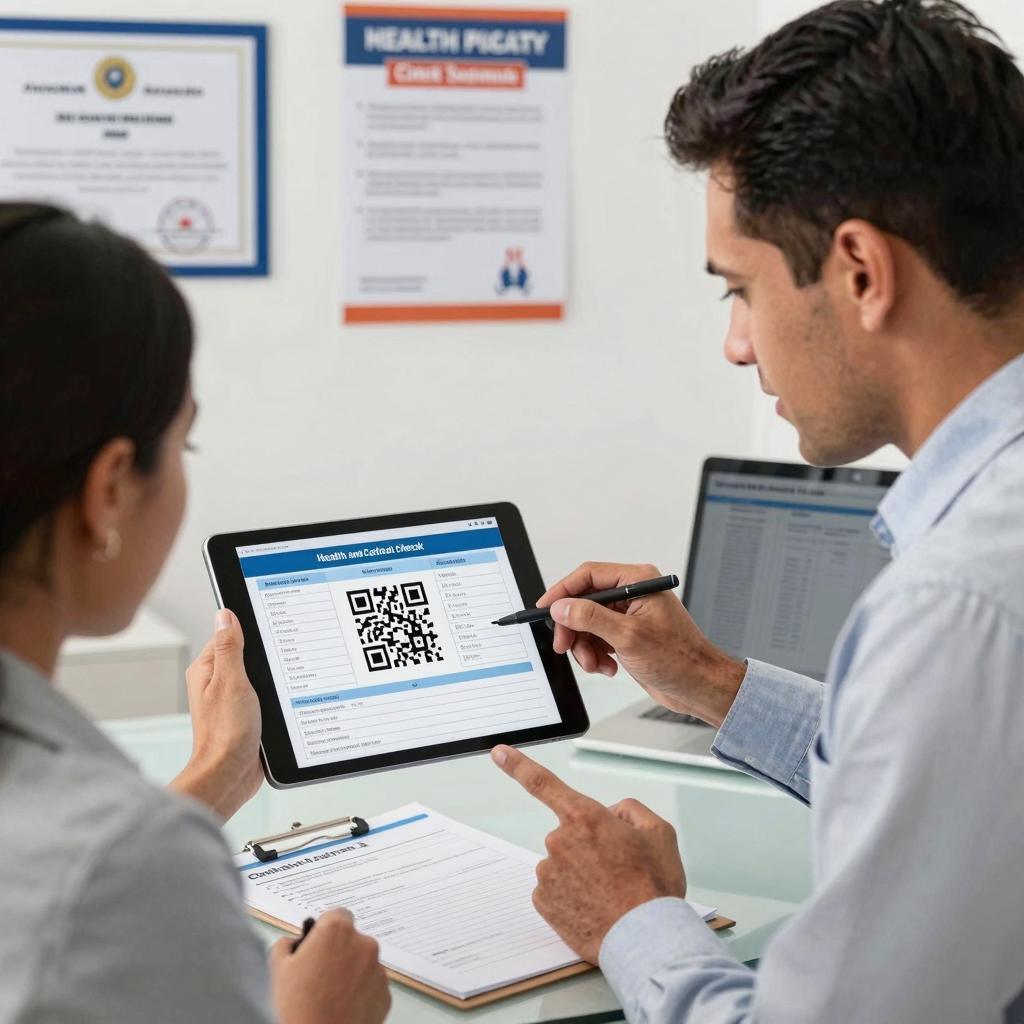
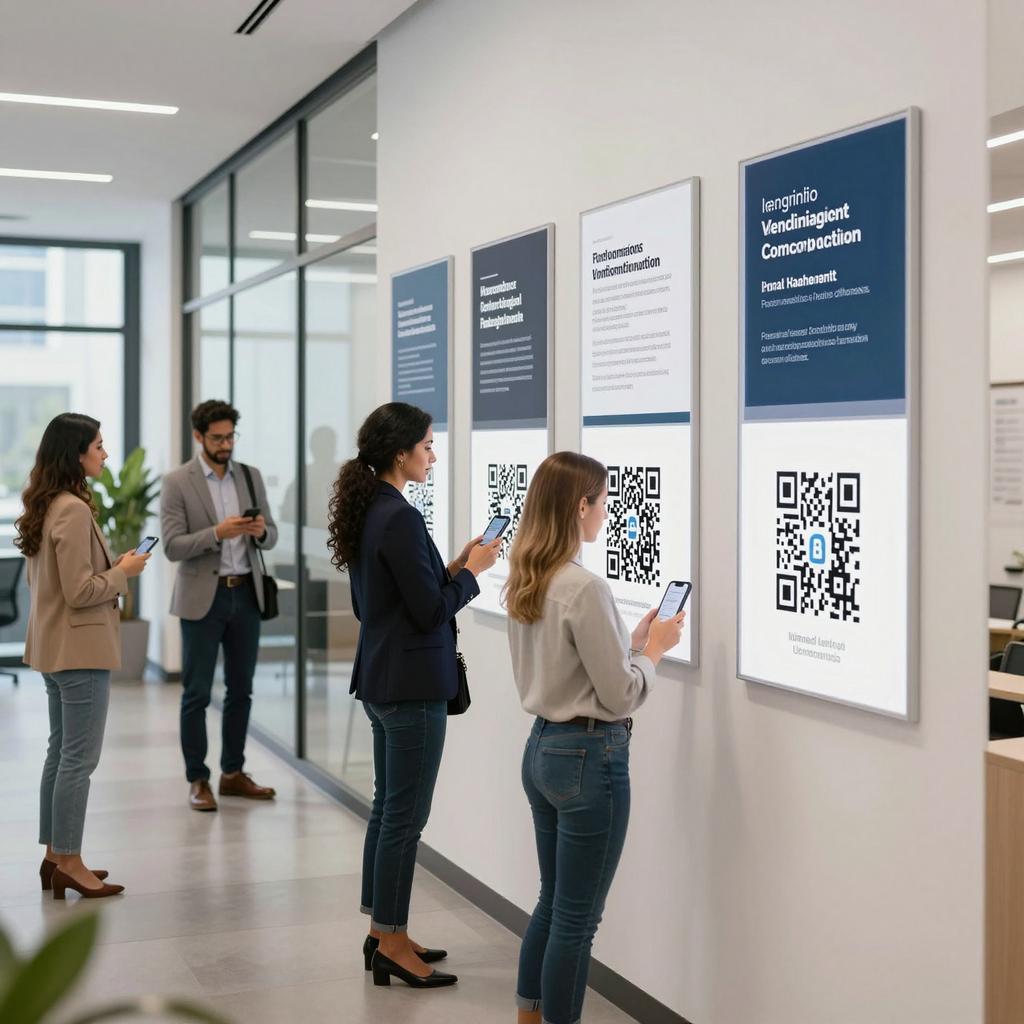
Shortcuts succeed when they remove micro-frictions at the precise moment intent sparks. That means placing the right call to action at the right touchpoint, preloading context so customers do not have to type, search, or navigate. A well-placed QR code does not just link to a page; it anticipates the job to be done—viewing ingredients on packaging, booking a demo from a trade show badge, checking in from a poster—and offers the fastest path to that outcome.
QR Codes as High-Intent Shortcuts Across Touchpoints
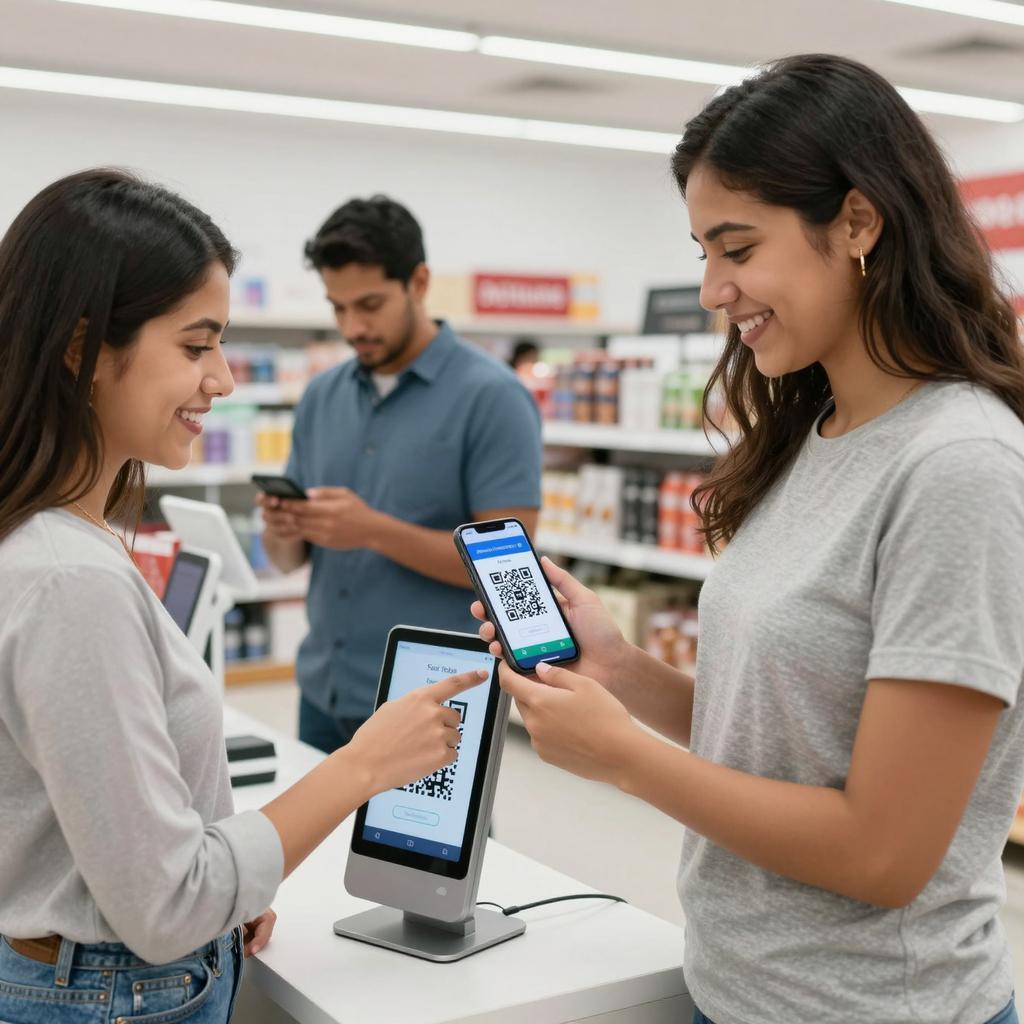
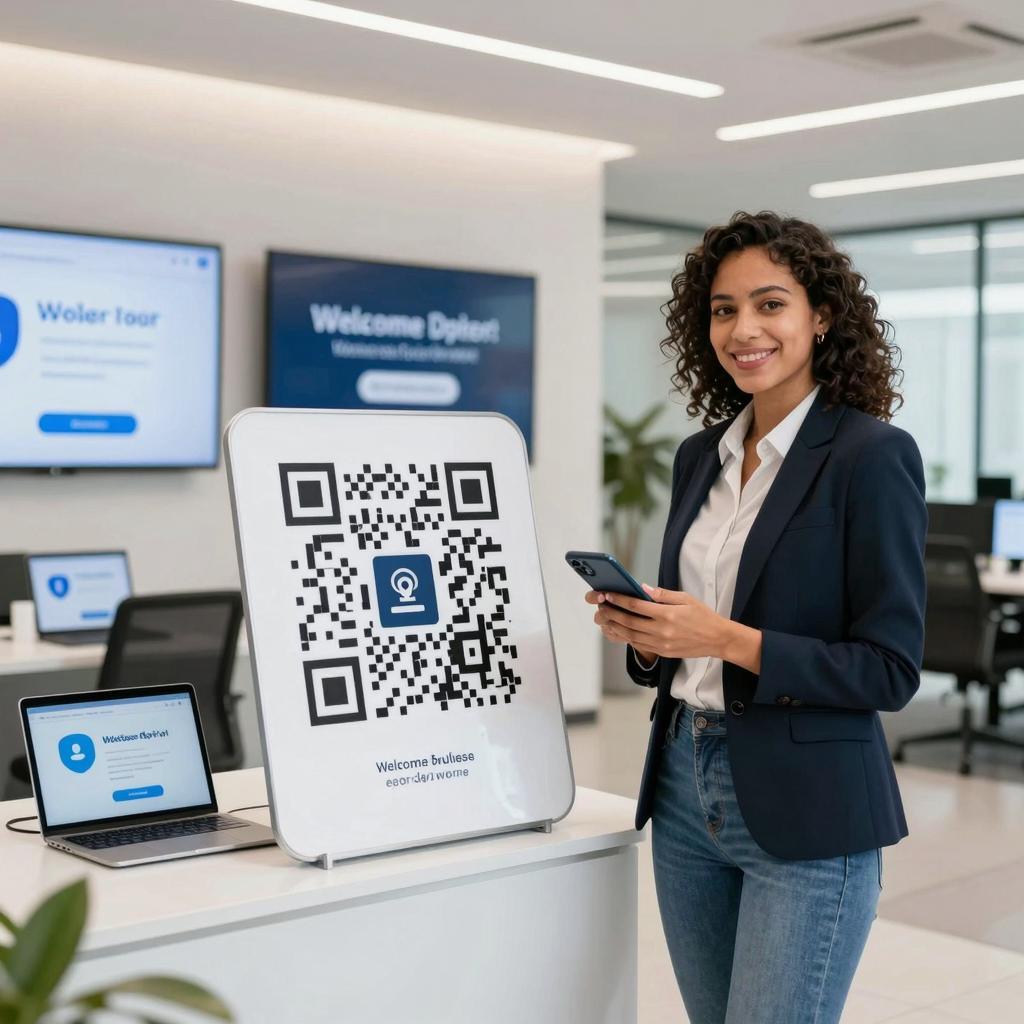
QR codes compress the path from awareness to action by transforming physical moments into digital moments. Think packaging that unlocks recipes, store signage that opens appointment booking, or service counters that route directly to warranty registration. For a concise industry view on how QR experiences enhance non-linear journeys and reduce effort across channels, see Marketing Dive’s analysis of QR codes enhancing customer touchpoints. The takeaway: when scanning is faster than searching, scanning wins.
Standards Make Shortcuts Scalable
Standards ensure that shortcuts are not just clever but consistent. The retail ecosystem is moving toward interoperable 2D barcodes under the GS1 Sunrise 2027 initiative, which unifies point-of-sale needs with richer consumer engagement. For context on this shift and what it means for brands and retailers, consult the GS1 US overview of Sunrise 2027 and the transition to 2D barcodes. When the same symbol can both check out at the register and open a branded experience on a phone, friction drops across the entire journey.
From Static Codes to Data-Rich Experiences
Modern 2D symbols can carry or reference structured product data—think GTIN, lot, and expiration—while also routing to dynamic content that adapts by location, time, or campaign. That means a single on-pack code can deliver safety alerts, sustainability disclosures, or personalized offers without redesigning the label. For a practical grounding in capabilities and use cases, see the GS1 US 2D Barcode Overview for general distribution.
Operational Wins That Customers Feel
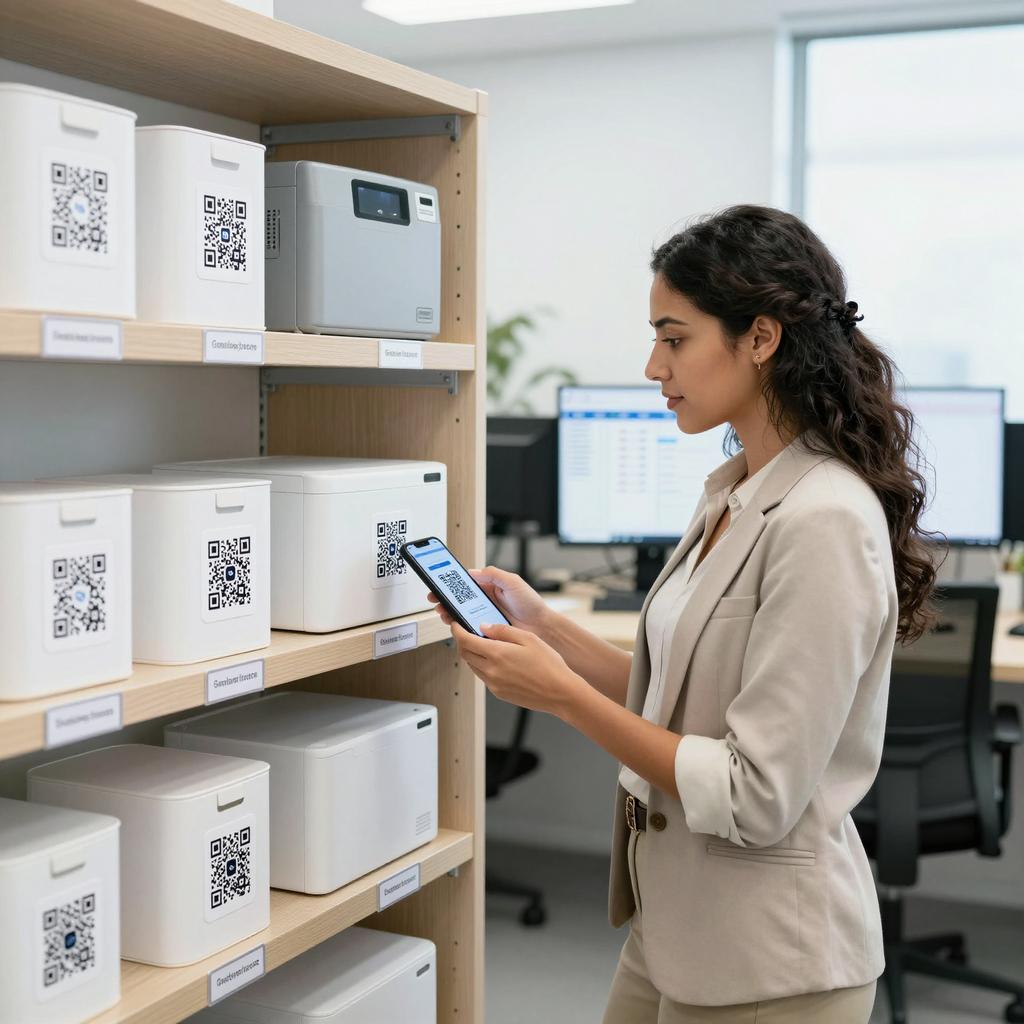
When codes connect cleanly to product data, operations improve in ways customers immediately notice: faster lines at checkout, simpler returns, clearer recall guidance, and more accurate product information. These behind-the-scenes efficiencies translate to lower effort front-of-house. For deeper detail on how GS1 Digital Link ties product identifiers to web-resolvable experiences, review the GS1 Digital Link proof-of-concept whitepaper.
Practical Guidance for Marketers and Operators
Design QR journeys with ruthless clarity: state the value above the code, place it within a natural line of sight, and send scanners to a fast, mobile-first page with minimal steps. Use short, branded URLs as fallbacks for accessibility, track scans with analytics for attribution, and test creative, placement, and offer framing to reduce drop-off. Mind privacy by limiting data collection to what you need and by being transparent. The goal is not novelty; it is measurable effort reduction across the journey.
Conclusion: Design for Effortless Choice
QR codes are most powerful when they are not a gimmick but a promise: scan once, get exactly what you came for. By treating them as standards-backed shortcuts—anchored in GS1 frameworks, embedded in modern marketing strategies, and implemented as practical digital transformation tools—brands can replace detours with direct paths. Less effort means more trust, better engagement, and faster growth. Design for the shortest line between intent and outcome, and let the code do the walking.