Why Gen Z Scans QR Codes: Consumer Psychology and Engagement Patterns
Gen Z’s relationship with QR codes isn’t a fad—it’s a blueprint for how mobile-native customers navigate information, rewards, and trust in real time. For brands, QR codes in business have evolved from novelty stickers to essential digital transformation tools that bridge physical touchpoints with modern marketing strategies. Understanding the psychology behind a scan helps marketers design experiences that feel intuitive, valuable, and safe—exactly what Gen Z expects from any brand interaction.
The psychology behind Gen Z’s QR code habit
Frictionless curiosity and instant rewards
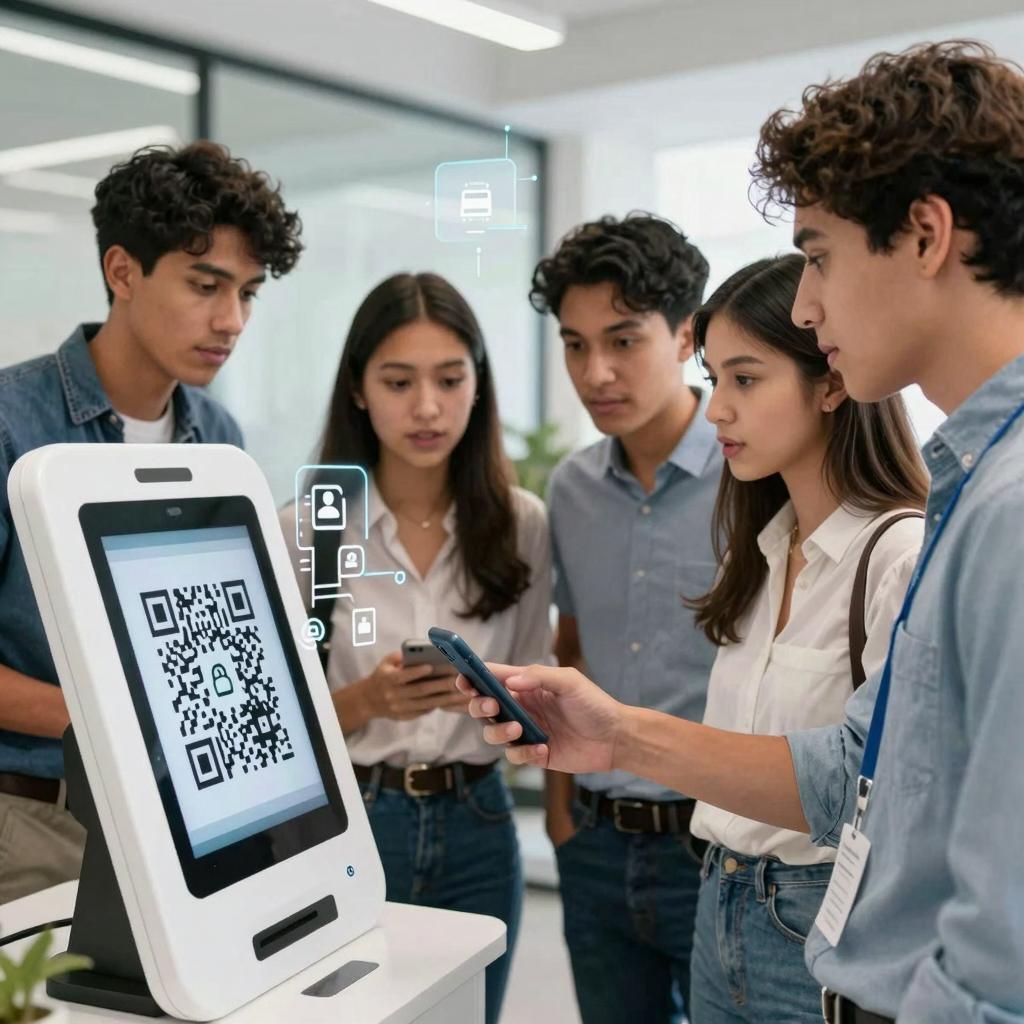
Gen Z optimizes for speed and payoff. Scanning replaces typing, taps into micro-moments, and delivers immediate outcomes—exclusive offers, product specs, AR filters, or loyalty perks. This blend of low effort and high utility motivates “just try it” behavior. Research on mobile-first journeys supports this dynamic, showing that young shoppers use phones to collapse discovery and decision into a few quick steps; see Think with Google research on Gen Z shopping behavior for how immediacy shapes decisions.
Trust signals and safety cues
Gen Z is digitally savvy and privacy-aware. They respond to credible placement (on packaging, receipts, or store signage), brand-consistent design, clear benefit statements, and secure destinations (https, branded domains). The move to standards-based QR codes strengthens confidence: the GS1 Digital Link standard ties a scan to authoritative product data, authenticity checks, and richer content—critical cues that reduce perceived risk and increase scan intent.
Social currency and participation
Scanning is also participatory. QR-triggered experiences—UGC prompts, co-creation challenges, behind-the-scenes content—let Gen Z express identity and earn social currency. When a scan feels like entry to a community moment (not a corporate detour), engagement rises. The lesson: treat QR as the gateway to a role, not a route to a page.
Where QR codes fit in modern marketing strategies
From packaging to POS: owned channels become interactive
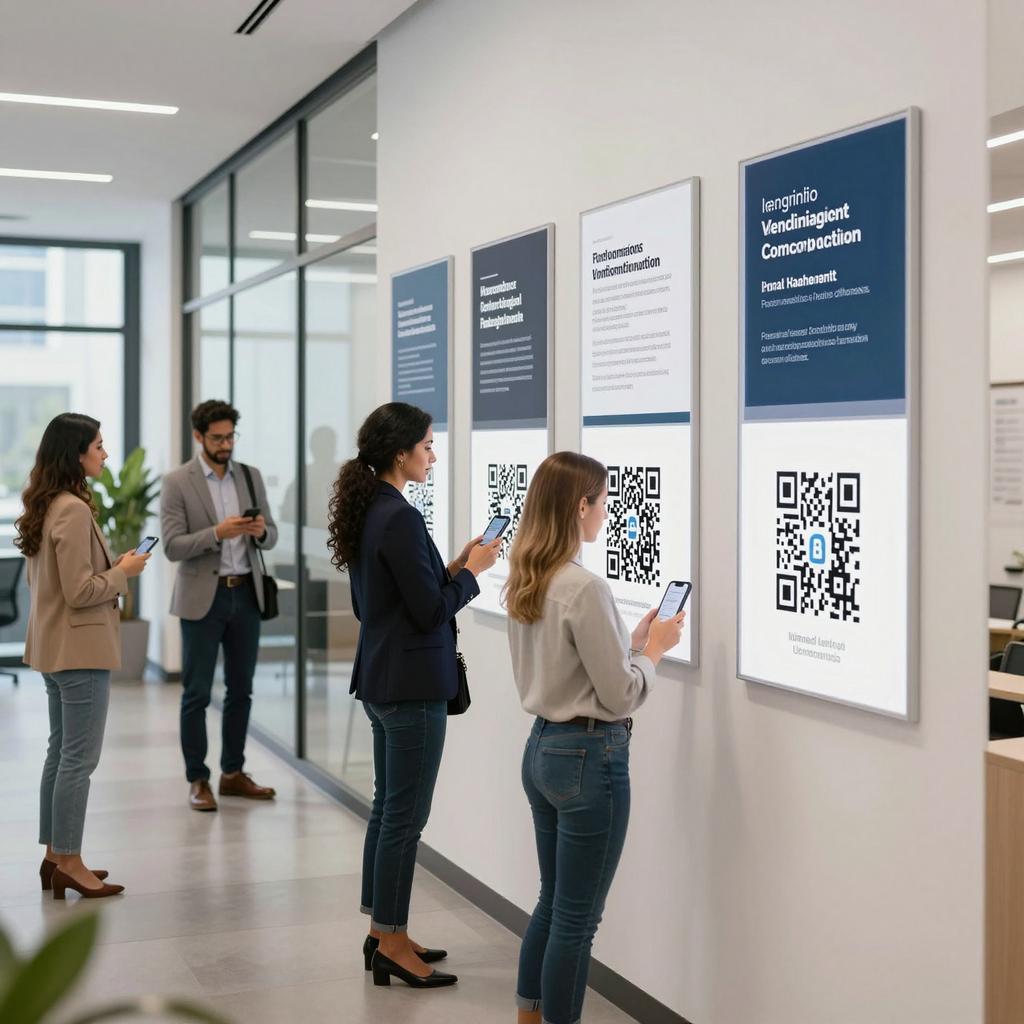
QR codes convert static assets—packaging, point of sale, receipts, out-of-home—into measurable, dynamic media. For QR codes in business, this means every shelf, box, or billboard can drive to tailored landing pages, tutorials, or service workflows. As digital transformation tools, QR codes unify offline and online journeys, shorten support paths, and raise conversion by meeting intent right where it starts: in hand, on mobile.
Data, consent, and the value exchange
Gen Z will exchange data for clear value and control. Use scans to invite opt-ins with transparent terms, preference centers, and ongoing benefits (personalized tips, early drops, members-only utilities). This aligns with broader consumer sentiment that favors privacy with purpose, as highlighted in the Deloitte Digital Consumer Trends report. Treat every scan as an opportunity to earn trust, not just clicks.
Design principles that drive scans
Placement and promise matter: position codes where eyes naturally land; pair them with a short, benefit-led CTA; and use dynamic QR to update content without reprinting. Ensure fast-loading, mobile-first pages with accessible design. Reinforce credibility with brand domains and recognizable visual frames. The numbers support the momentum—see Statista’s QR code usage data for steady adoption and frequent scanning among younger demographics—so optimize for frequency with rotating rewards and episodic content.
Conclusion: Make every scan count
Gen Z scans QR codes because the experience reduces friction, delivers immediate value, and signals trust. Brands that treat the QR moment as a productized micro-experience—clear benefit, credible design, fast utility—turn curiosity into commitment. As modern marketing strategies evolve, QR codes in business will remain high-leverage digital transformation tools: low-cost, data-smart, and built for the way Gen Z already shops and shares. Audit your placements, sharpen your value exchange, and measure relentlessly—then let every scan unlock something unmistakably worth it.