Multi-Destination QR Codes: Routing Users Based on Context
What Are Multi-Destination QR Codes?
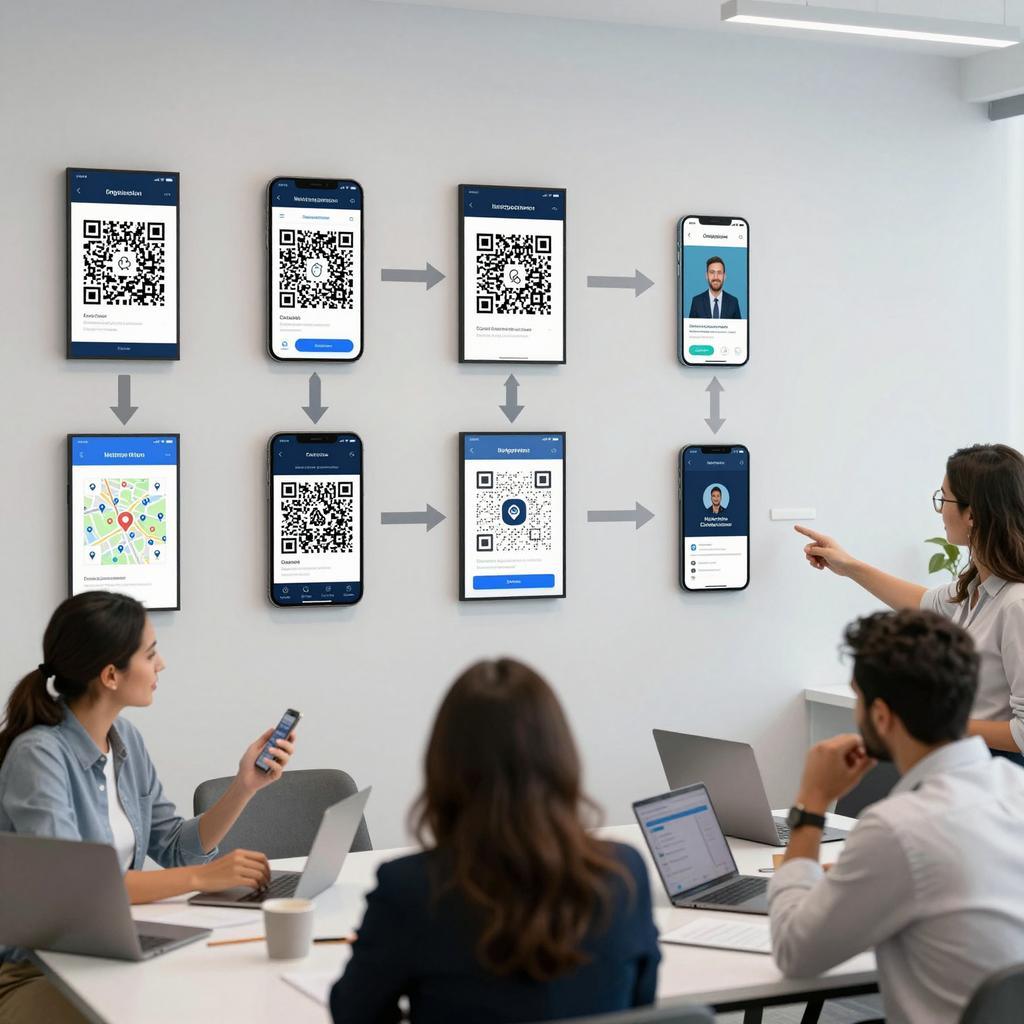
Multi-destination QR codes are dynamic, rules-driven gateways that route each scanner to the most relevant destination based on context—such as device, location, language, or time. Instead of hard-coding a single URL, the QR points to a smart redirect that evaluates conditions and then sends the user to the best-fit experience. For teams modernizing QR codes in business, this turns a static print asset into a living part of your digital transformation tools and modern marketing strategies.
Why They Matter Now
Context-aware routing reduces friction, boosts conversion, and extends the shelf life of printed media. With one code, marketers can adapt journeys as campaigns evolve: prelaunch sign-ups today, product education tomorrow, seasonal offers next quarter. That flexibility preserves design real estate, lowers reprint costs, and creates measurable offline-to-online pathways that tie directly to ROI—precisely what modern marketing strategies need to thrive amid channel fragmentation.
How Context-Based Routing Works
Behind the scenes, the platform reads available signals (device/OS, language, IP-based geolocation, time of scan, and referrer) to apply prioritised rules and route users accordingly. Common examples include sending iOS to the App Store, Android to Google Play, and desktop to a responsive web page; or localizing content by country and language with a universal fallback. Vendors provide visual rule builders—see QRLynx’s overview of condition-based Smart Redirect Rules for QR codes—so non-technical teams can launch quickly while maintaining governance.
Business Applications Across the Journey
Lifecycle and Omnichannel Examples
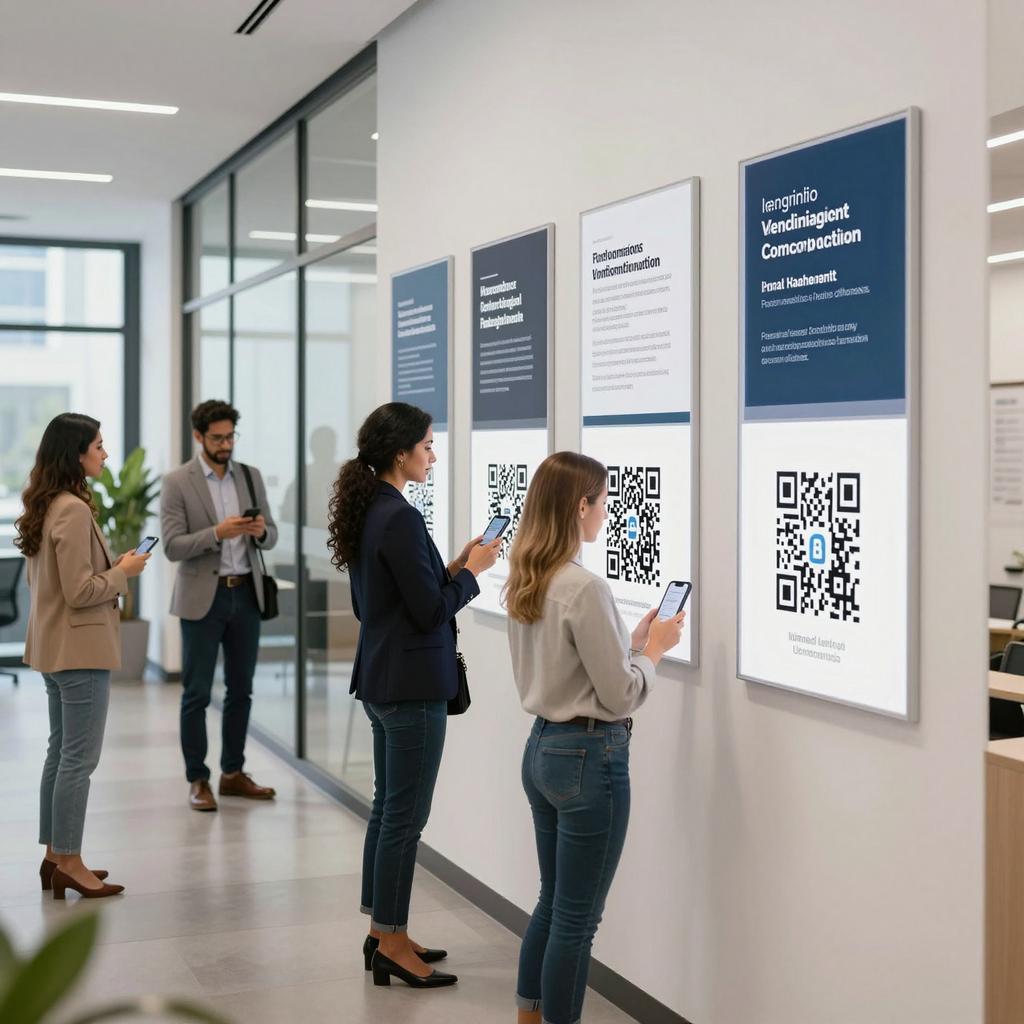
One QR code can span the entire customer lifecycle: on packaging it can announce prelaunch news, then later route to how-to videos, warranty registration, or support. In-store signage can send mobile users to a localized product finder while routing desktop scanners to an extended catalog. Event badges can open an agenda before the show and switch to session feedback forms after, turning a single asset into a persistent engagement driver across channels.
Personalization, Localization, and Dayparting
Context rules enable hyper-relevance without the overhead of managing dozens of codes. Brands can display the right language by default, surface region-specific pricing or inventory, and use dayparting to promote breakfast vs. dinner menus. For a practical primer, Uniqode explains dynamic QR codes with location-based smart rules, including targeting by geography, device, and time windows—ideal for global campaigns that need local nuance.
Analytics, Governance, and Optimization
Because destinations live behind a dynamic redirect, teams gain centralized analytics and can A/B test content without changing the printed code. Mature platforms offer access controls, versioning, and tag governance to keep large programs tidy. For scaling playbooks, QRCode KIT’s guide on scaling a single QR code to multiple destinations details device routing, regionalization, and campaign consolidation—useful for enterprises standardizing QR codes in business across brands and markets.
Implementation Best Practices
Anchor every code to a branded short domain, define a universal fallback page, and map a clear rule priority (device, then language, then location, for example). Test across an exhaustive matrix of OS versions, browsers, and locales; monitor scan heatmaps and time-of-day patterns; and tag every route with consistent UTM parameters. Treat the redirect as a service with uptime SLAs, privacy-by-design (minimize and anonymize data where possible), and content failsafes so users always land on a fast, mobile-first experience.
Conclusion: Context Is the New Homepage
Multi-destination QR codes transform static print into adaptive entry points—aligning offline moments with digital transformation tools that personalize, measure, and iterate. By orchestrating context-based routing, marketers replace guesswork with relevance, extend campaign longevity, and unlock a scalable framework for modern marketing strategies. The takeaway: print one code, deliver many journeys, and let context choose the shortest path to value.