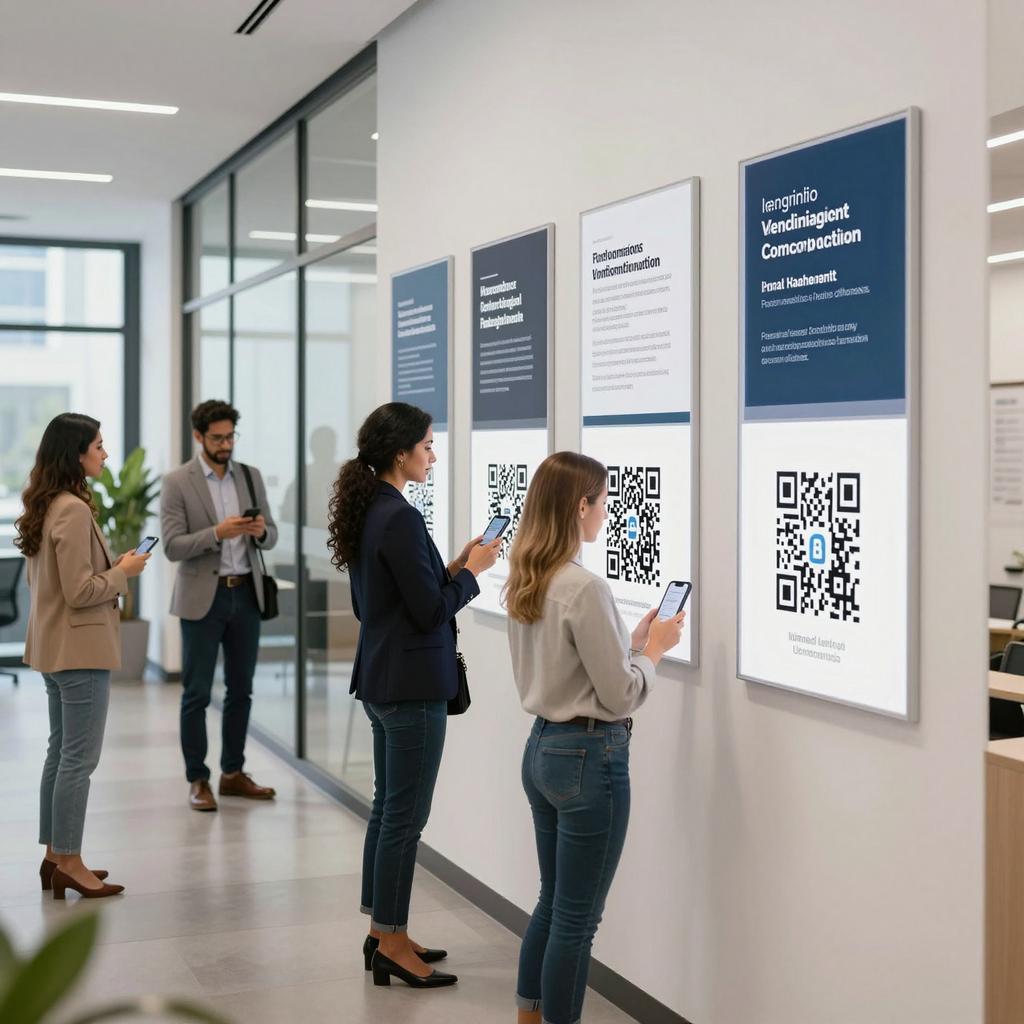
QR Code Retargeting: Using Scan Data for Pixel-Based Advertising
Why QR Scan Data Is a Goldmine for Retargeting
QR codes in business have graduated from novelty to necessity, becoming one of the most practical digital transformation tools for connecting offline moments to online journeys. Every scan signals clear intent: a shopper, viewer, or attendee actively chose to engage. When you convert that scan into a tagged pageview and event, you unlock pixel-based audiences you can nurture across channels—a foundational move for modern marketing strategies that aim to reduce wasted impressions and increase relevance.
From scan to audience: how it works
The flow is simple and powerful: a dynamic QR routes to a fast, mobile-first landing page instrumented with your pixels and tags. On page load, you fire standard events (e.g., ViewContent) and pass context from the scan—campaign, location, creative variant—via URL parameters to shape audience definitions. From there, you build remarketing lists, exclude recent converters, and sequence offers. This turns one second of offline engagement into a first-party signal that fuels weeks of efficient, cross-platform retargeting.
Building a Privacy-First Pixel Framework
Retargeting only works at scale when it’s trustworthy. Start with explicit consent, first-party cookies, and clear value exchange (e.g., exclusive content or savings). Use server-side tagging where possible to improve data quality and control, and standardize product identifiers with the GS1 Digital Link standard so scans from packaging, retail, or print reliably resolve to canonical product pages. Combined with thoughtful frequency caps and opt-out mechanisms, you’ll align performance with compliance and customer expectations.
Implementing Google Ads remarketing tags
For Google, add your QR landing page(s) to remarketing audiences using Tag Manager or native site tagging, and enrich events with product or content metadata for downstream segmentation. Google’s official guides detail how to structure parameters, product IDs, and dynamic signals; see the Google Ads dynamic remarketing documentation to ensure your tag fires correctly and maps scan-driven traffic to the right audience and creative feeds.
Implementing Meta Pixel audiences
On Meta, deploy the base pixel and fire standard events like PageView, ViewContent, and Lead on QR destinations. Append UTM parameters (e.g., utm_medium=qr, utm_source=packaging) to create Custom Audiences from specific scan cohorts, then build Lookalikes for prospecting. For event design and verification, reference the Meta Pixel conversion tracking documentation, ensuring deduplication if you also use Conversions API.
Designing QR Experiences That Earn the Second Click
Retargeting works best when the initial experience delights. Optimize QR pages for speed under poor connectivity, surface immediate value (e.g., a how-to, coupon, or registration), and use deep links to apps or wallets to reduce friction. Dynamic QR destinations can rotate offers by region, inventory, or creative test cell. For tactical inspiration on journey design and segmentation, this QR code retargeting strategies guide outlines practical ways to convert scans into structured audience signals.
Measuring incrementality and ROI
Move beyond last-click. Use holdout geos, creative-level exclusions, or time-based splits to quantify lift from scan-triggered audiences versus generic remarketing. Track scan-to-conversion latency, measure view-through on CTV/OOH-assisted journeys, and apply frequency caps to manage CAC. Where possible, funnel verified events through server-side integrations to improve match rates and reduce noise from browser limitations.
Real-world playbooks
CPG brands can retarget by SKU from packaging scans; B2B teams can nurture event attendees who scanned session boards; retailers can link in-store signage to local inventory pages and re-engage by location; and media marketers can use broadcast or CTV QR overlays to seed high-intent audiences. The throughline is simple: treat QR scans as premium first-party signals that supercharge your pixels. Build privacy-first data flows, craft irresistible post-scan experiences, and orchestrate sequenced creative across platforms. Do that, and QR codes become not just scannable utilities, but a durable engine for modern marketing strategies that compound over time.