Veterinary Services: QR Codes for Pet Medical Records and Vaccination Tracking
Veterinary clinics are under pressure to deliver faster, clearer communication without increasing administrative overhead. QR codes are emerging as practical digital transformation tools that connect pet owners, care teams, and third parties to the right information at the right moment. When implemented well, QR codes in business workflows unlock instant access to vaccination status, medication lists, and care instructions—improving service quality while supporting modern marketing strategies and measurable ROI.
Why QR codes are redefining pet records and vaccination proof
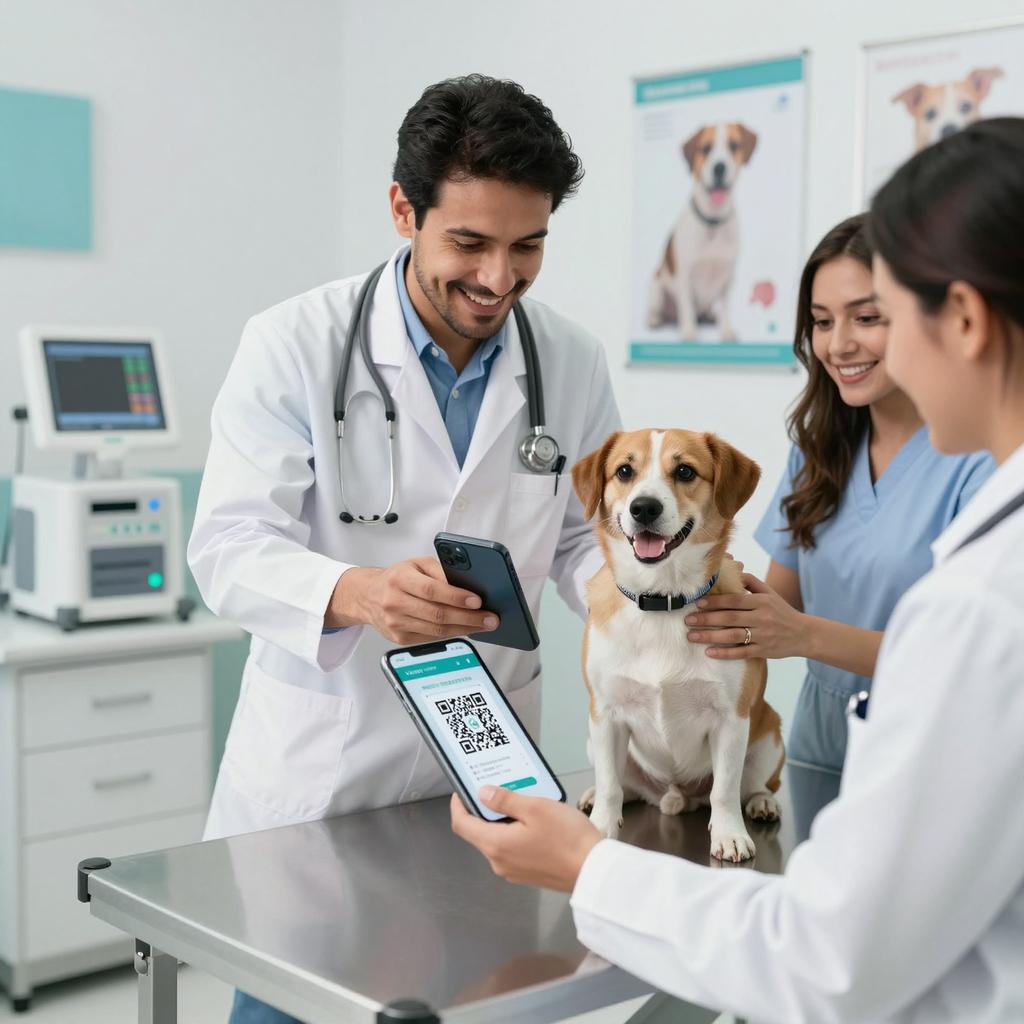
Instead of relying on phone calls and paper cards, a QR code on a pet’s tag, invoice, discharge sheet, or wallet card can open a secure, mobile-friendly profile with up-to-date medical data. Industry momentum is real: the AVMA highlights the shift toward digital pet IDs that leverage QR technology to surface owner details and vaccination information, reducing reliance on traditional metal tags. See AVMA’s coverage of digital pet ID tags powered by QR codes: AVMA report on digital pet IDs and QR code-enabled tags.
Continuity of care in emergencies and everyday visits
QR-enabled profiles accelerate triage and intake. With owner consent and straightforward access rules, scanning a code can display allergies, chronic conditions, current medications, microchip number, and last vaccination dates, helping clinicians make better, faster decisions. For busy teams, this compresses administrative touchpoints; for pet owners, it delivers the transparent, on-demand experience they expect from modern services. In lost-pet scenarios, QR tags also streamline reunification and confirm the pet’s vaccination status instantly.
Vaccination verification for boarding, grooming, and travel
Third parties often need quick proof of rabies, distemper, Bordetella, or influenza vaccines. A QR code that resolves to a verifiable, clinic-attested record cuts friction and phone bottlenecks. Platforms like VetVerifi’s vaccination verification service using QR codes demonstrate how secure links and scannable credentials can confirm status in seconds—reducing fraud risk, eliminating outdated PDFs, and saving front-desk time at both the clinic and partner businesses.
Implementation playbook for clinics
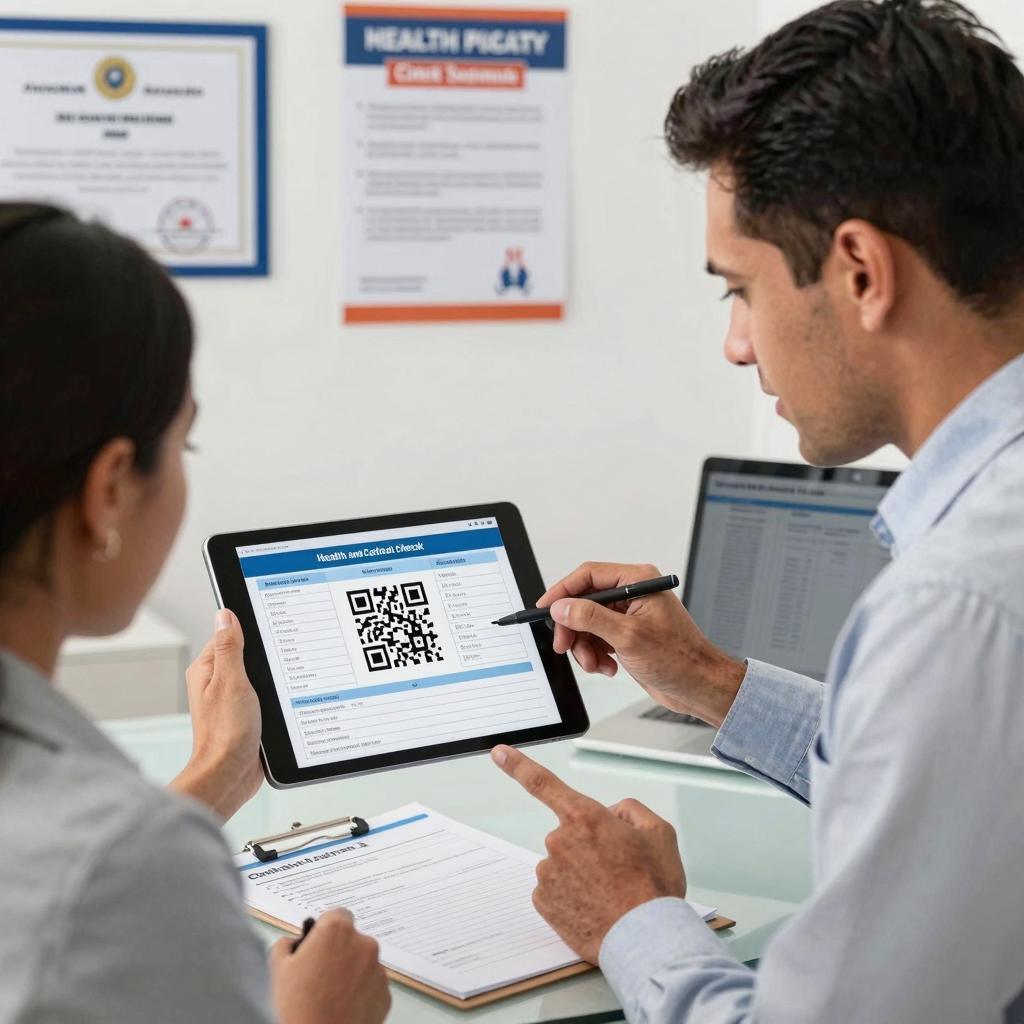
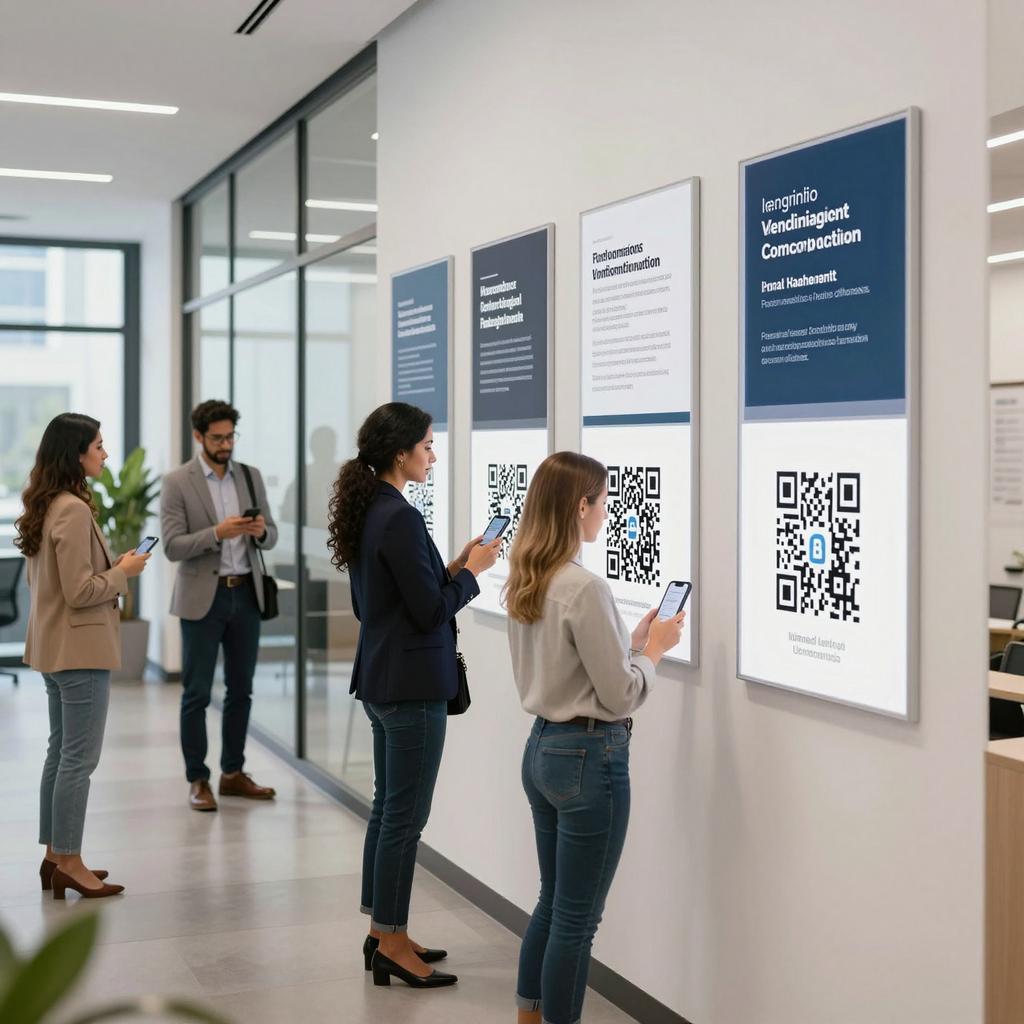
Start by designating a single source of truth (your PIMS/EHR or a companion portal) and generate dynamic QR codes that point to a secure, read-only record. Standardize displayed fields (patient ID, species/breed, microchip, key diagnoses, active meds, vaccine list with due dates, clinic contact). Embed codes where they’ll be used—ID tags, discharge instructions, boarding forms, wallet cards, and email footers. Obtain owner consent, document access rules, train staff on updating records, and post simple scanning instructions for clients and partners. Treat the QR program as a core operational workflow, not a side project.
Security, privacy, and data ownership
Build trust by applying privacy-by-design. Use tokenized, expiring URLs, role-based views, and audit logs; show only what’s necessary (e.g., vaccine status without full SOAP notes). Make revocation simple if a tag is lost or an owner changes sharing preferences. Align policies with your state board guidelines and your practice’s data stewardship standards, and communicate clearly how data is stored, who can view it, and how long access persists. Security should feel invisible to the pet owner but robust behind the scenes.
Marketing and client experience upside
QR codes in business aren’t just for access—they’re powerful modern marketing strategies. Add codes to exam room posters, postcards, and packaging to streamline appointment booking, refill requests, preventive care reminders, and teletriage. For inspiration on practical campaigns, see PetDesk’s guide to how veterinary businesses use QR codes. Tie each code to UTM parameters so you can measure conversions from offline materials and continuously optimize creative, placement, and calls-to-action.
Measuring ROI and scaling what works
Track metrics that matter: fewer vaccine-verification calls, faster intake times, higher preventive-care compliance, reduced no-shows, and increased online bookings sourced via QR scans. Start with one use case (e.g., vaccination verification), validate outcomes, then expand to emergency intake, discharge instructions, and marketing touchpoints. The takeaway: QR codes are practical, low-lift digital transformation tools that enhance medical readiness, client satisfaction, and business performance. Clinics that pilot thoughtfully, measure relentlessly, and iterate quickly will turn a simple square into a durable competitive advantage.