Fitness & Wellness: QR Codes for Gym Check-Ins and Workout Tracking
Why QR Codes Are Reshaping Fitness Operations
QR codes have quietly become one of the most practical digital transformation tools in the fitness industry, streamlining member check-ins, personalizing workouts, and closing the loop between in-club activity and marketing analytics. For operators, they’re a low-cost, high-impact way to modernize access control and unify data without ripping and replacing existing systems. For members, they offer a fast, contactless experience that reduces friction at the door and on the gym floor—an essential ingredient in today’s service-first, efficiency-driven world of QR codes in business.
From Frictionless Entry to Smarter Floors
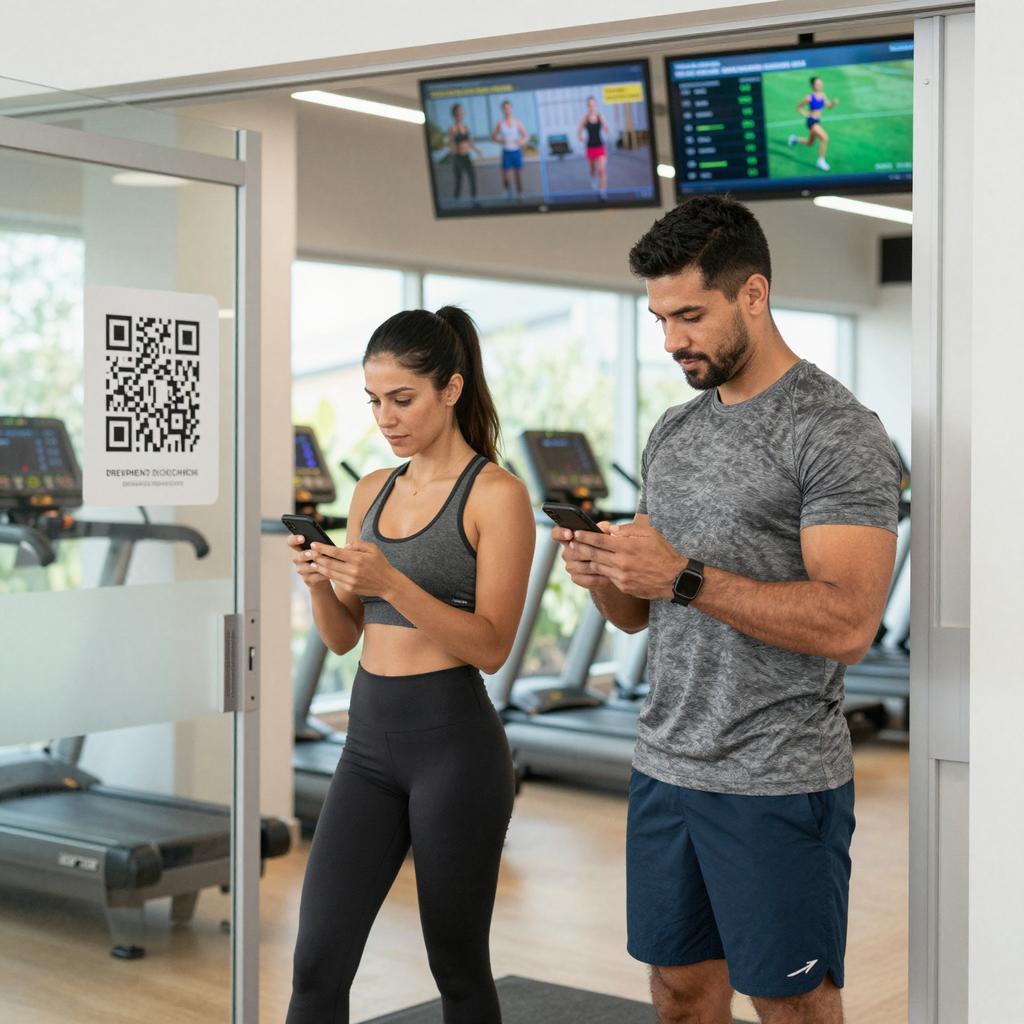
On the front end, QR-based credentials enable secure, contactless entry that moves lines faster, verifies memberships in real time, and provides operational visibility (e.g., peak times by cohort). When thoughtfully implemented, QR scanning at turnstiles or reception complements legacy key fobs and mobile wallets, improving accessibility without complicating the user journey. On the floor, QR labels on machines can instantly surface how-to content, recommended programs, or the right resistance setting—closing knowledge gaps for new members and enhancing safety through on-demand guidance.
The Workout-Tracking Layer
Beyond access, QR codes bridge equipment and mobile apps so sessions are captured automatically and count toward goals. Many manufacturers support mobile-first logging—ranging from scanning a code on the console to app-driven quick-start flows—so members can launch, record, and review progress in one place. For example, the Life Fitness Connect app quick-start a workout guidance illustrates how the user experience is evolving toward faster session initiation and richer data capture, which in turn powers smarter coaching and retention campaigns.
Implementation Blueprint for Clubs
Choose the Right QR Modes
Start with two lanes: (1) access control (member ID as a dynamic or time-bound QR) and (2) equipment engagement (QR stickers that launch instructions, workouts, or app pairing). Prioritize interoperability—QRs should work across your existing CRM, POS, and marketing automation stack. Aim for a single member profile that ties door entries, class scans, and equipment logs to a unified timeline. This ensures your QR strategy isn’t a novelty but a backbone for operations and modern marketing strategies, from hyper-relevant offers to milestone-based rewards.
Secure-by-Design Practices
Because QR codes can be tampered with, embed safeguards from day one. Use dynamic tokens for check-ins, rotate codes frequently, and validate scans server-side. Train staff to spot sticker swaps and place official decals behind protective coverings or on digital displays. Educate members, too: direct them to your official app and remind them to avoid scanning unknown codes. Government guidance underscores the risks—see the FBI IC3 warning about malicious QR codes and this practical Duke University QR code security guide—and adapt your playbook accordingly with clear reporting paths for suspicious codes.
Data and Marketing Flywheel
Every scan is a consented micro-interaction you can use to personalize service and measure outcomes. With QR-coded check-ins, you can tailor welcome screens, target offers by visit frequency, or nudge lapsing members back with contextual messages. Equipment QR data helps coaches refine programs in real time and lets marketers build value-driven campaigns around progress, not promos. Treat QR codes as modern marketing strategies in action: turn entry events into lifecycle triggers, convert equipment usage into achievement badges, and close the loop with post-visit follow-ups that celebrate wins and invite the next session.
Measuring ROI and Member Experience
KPIs That Matter
Track throughput at entry (scans per minute), first-scan success rate, duplicate or fraudulent attempts blocked, and time-to-resolution for access issues. On the training side, monitor workout capture rate, percentage of members with device-linked programs, and engagement with QR-linked content. Tie these metrics to business outcomes—higher visit frequency, longer average membership tenure, improved PT attachment, and lower support tickets—to quantify QR codes as durable QR codes in business investments rather than experimental gadgets.
Future Outlook
As fitness tech ecosystems mature, expect tighter integrations between access systems, cardio and strength equipment, wearables, and CRM—often mediated by scannable codes that are simple for members and robust for operators. The winning playbook blends low-friction entry, app-centric workout tracking, and secure identity into one cohesive journey, reinforced by clear education and strong governance. The takeaway: QR codes are more than stickers—they’re strategic digital transformation tools that help clubs operate leaner, personalize at scale, and turn every visit into data that compounds member loyalty.