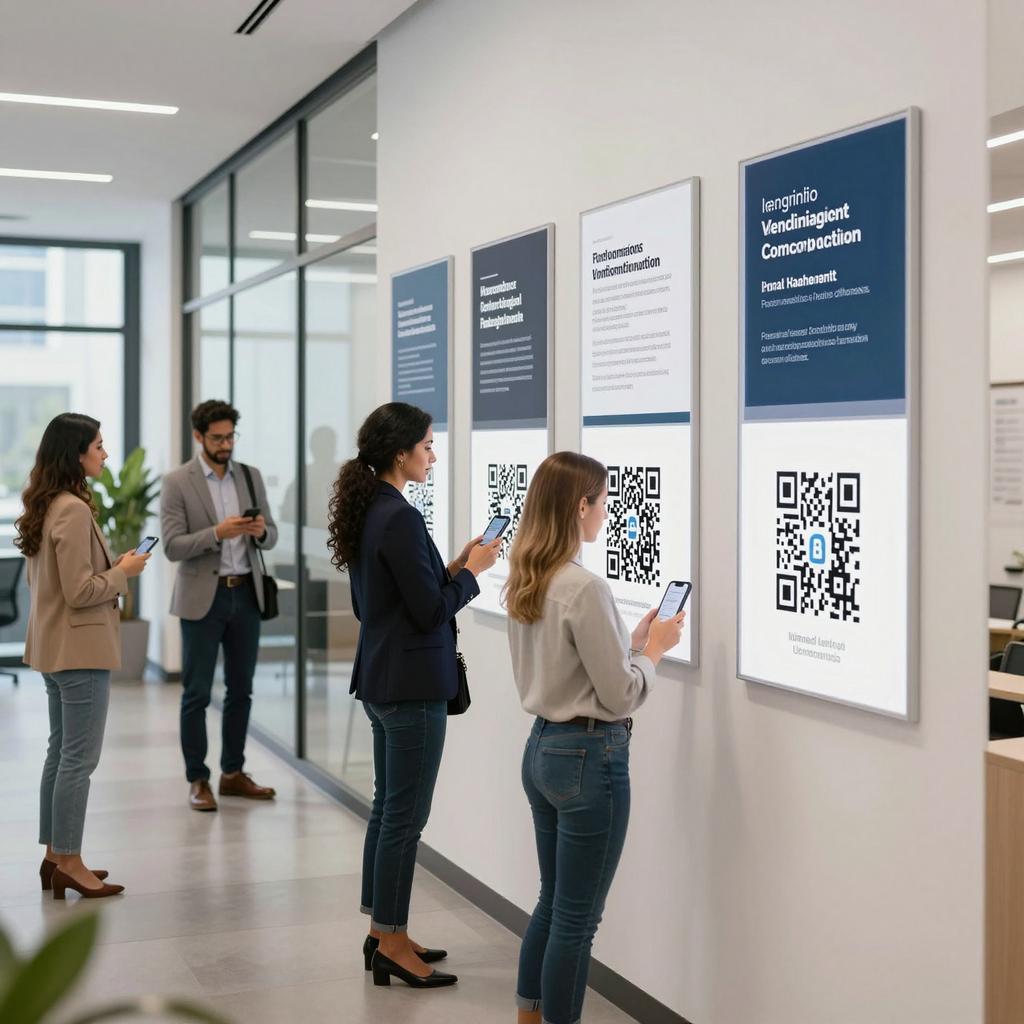
Real Estate: QR Codes for Property Virtual Tours and Lead Capture
Today’s mobile-first buyer expects instant, immersive context the moment they spot a yard sign, postcard, or window display. QR codes elevate traditional materials into digital transformation tools by launching high-quality property virtual tours in seconds and capturing warm leads at the peak of interest. Used thoughtfully, they turn offline moments into measurable, modern marketing strategies—without adding friction to the buyer journey.
Why QR Codes Are Transforming Real Estate Marketing
Virtual tours are now a mainstream expectation, not a luxury, and connecting them to the physical world is where QR codes shine. By placing scannable entry points wherever attention is earned—signs, flyers, brochures—agents bridge the gap between curb appeal and digital detail. For strategic context on tour creation and consumer expectations, see NAR’s virtual tour playbook, which underscores how 3D walkthroughs enhance decision-making and listing visibility. This is QR codes in business at its best: direct, trackable, and built for intent-rich moments.
From Yard Sign to Immersive Tour in 10 Seconds
The winning flow is simple: a prospect scans, lands on a lightning-fast mobile page, and instantly explores a 3D tour, floor plan, and high-res photos. Smart routing can auto-detect language, respect low-signal modes with a lightweight page, and present a clear next step—save, share, or schedule. Remove obstacles (no mandatory app downloads, minimal taps), and you’ll see higher scan-to-tour and tour-to-lead conversion rates, especially at open houses and drive-by moments.
Design a Lead Capture Funnel Buyers Actually Like
Lead capture shouldn’t feel like a gate; it should feel like value. Offer the full tour, then invite the prospect to unlock extras—neighborhood insights, property documents, or a private showing calendar—in exchange for an email or phone number. Use progressive profiling: ask for a first name now, confirm budget later. Trigger instant SMS or email follow-ups with context (“I see you toured 123 Maple—want the inspection summary?”) and route hot leads directly to agents with alerts for rapid response.
Implementation Blueprint
Placement and Design That Get Scans
Place codes where eyes naturally rest: lower-right of yard signs, at eye level on A-frames, on window decals near door handles, and on postcards beside a concise CTA. Follow design fundamentals: generous white (quiet) zone, high-contrast colors, and error correction for weather or glare. Print at a scannable size (at least 1 x 1 inch for close range, larger for drive-bys), and use dynamic QR codes so you can update destinations without reprinting. Always add a plain short URL as a fallback and a clear microcopy cue like “Scan to view 3D tour & floor plan.”
Tech Stack, Tracking, and Automation
Attach UTM parameters to every QR destination to differentiate sources (yard sign vs. flyer) and feed analytics dashboards. Dynamic QR platforms let you A/B test CTAs, switch landing pages, and retarget scanners via pixels. For practical tips on tracking, sizing, and branded links, review Bitly’s guidance on QR codes for realtors. Connect form submissions to your CRM to trigger nurture sequences, assign tasks, and log touchpoints so your team can prove channel-level ROI.
Compliance, UX, and ROI
Privacy, Accessibility, and Trust Signals
Make consent unmistakable: disclose what you’ll send, link to your privacy policy, and honor TCPA/telemarketing rules for SMS. Optimize contrast and include plain-language scan instructions for accessibility. Reinforce trust with brokerage branding, agent photo, license info, and fair housing disclaimers. When buyers feel safe and informed, they volunteer details more readily—and your data quality improves.
Measure What Matters and Iterate
Track scan-to-tour rate, tour completion, lead capture rate, appointment bookings, and days-on-market impact. Run simple experiments: A/B the CTA (“Tour + Floor Plan” vs. “Tour + Neighborhood Guide”), test form placement (after 30 seconds vs. after 60%), and try incentives (downloadable feature sheet). For broader context on modernizing open houses and in-person moments, see Realtor.com’s open house tech trends insights. The takeaway: QR-enabled tours align with modern marketing strategies by making every offline impression measurable. Start small with one listing, prove the lift, and scale—your next best lead might be standing on the sidewalk with a phone in hand.