Wine & Spirits: QR Codes for Provenance and Counterfeiting
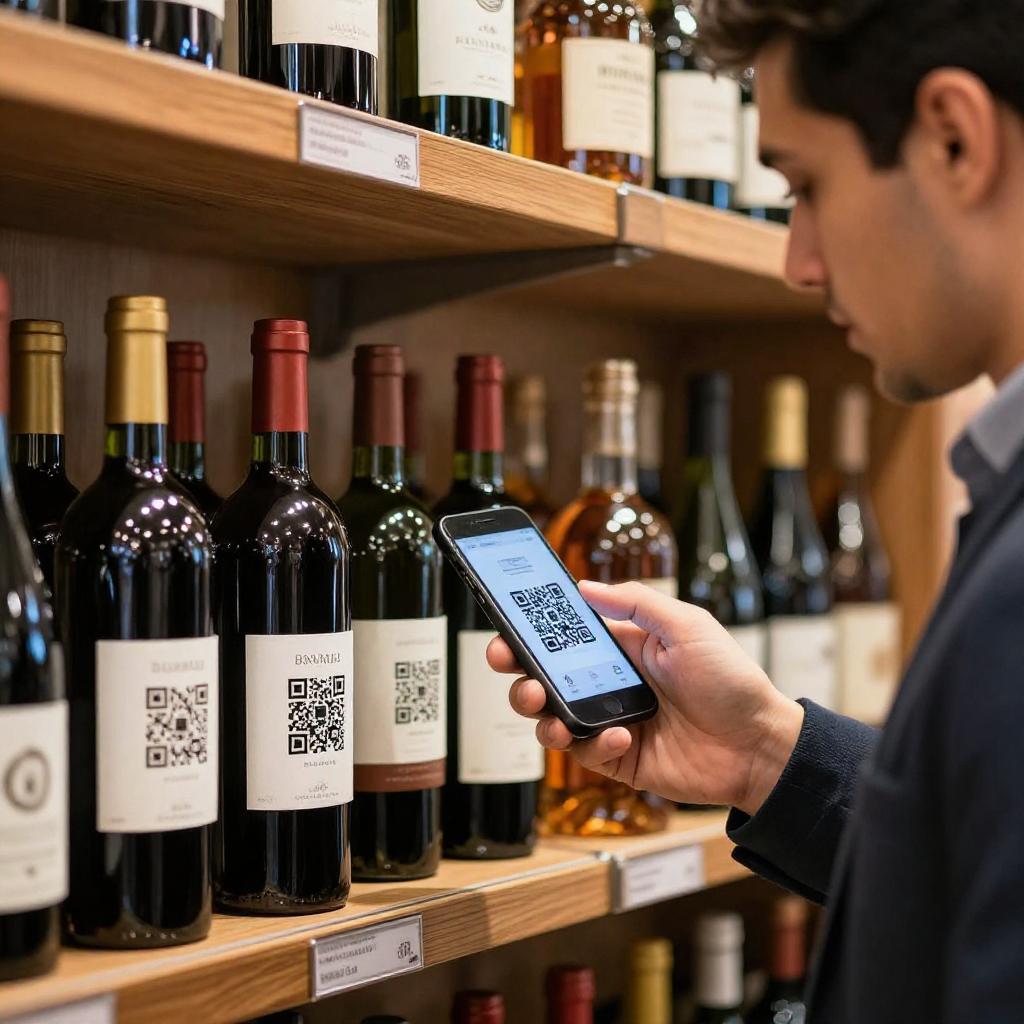
A bottle’s story is now its most valuable asset. As demand for premium labels surges and counterfeiters grow more sophisticated, QR codes in business have become indispensable digital transformation tools for wineries and distillers—verifying provenance, strengthening compliance, and enabling modern marketing strategies without cluttering the label.
Why Provenance Now Matters More Than Ever
Regulation has accelerated adoption: the European market now permits electronic disclosure of wine ingredients and nutrition via scannable e-labels, provided the essentials remain on-pack. The European Commission’s 2023 wine labeling rules balance transparency with design, allowing brands to publish detailed, batch-accurate information online—an approach that also deters counterfeiters who struggle to replicate dynamic, data-backed disclosures.
From Compliance to Competitive Edge
Beyond ticking regulatory boxes, smart codes transform bottles into persistent digital touchpoints. With the right governance, the same code that proves authenticity can launch provenance stories, sustainability metrics, food-pairing content, and loyalty journeys—precision-built modern marketing strategies that respect privacy and amplify lifetime value.
How QR Codes Deliver Trust Across the Bottle’s Lifecycle
The most future-proof path is the GS1 Digital Link standard, which encodes product identifiers (e.g., GTIN), batch/lot, and serial numbers in a single scannable 2D symbol. One code serves dual audiences: supply chain systems resolve structured data for traceability, while consumers’ smartphones open a mobile experience—linking physical bottles to verifiable digital records.
Item-Level Traceability and Recalls
When each bottle carries a unique, standards-based code, producers gain granular visibility: harvest and bottling references, warehouse movements, and distributor handoffs. In a quality event, that precision allows surgical recalls at lot level instead of blunt market-wide actions—reducing cost, waste, and reputational risk while reinforcing brand protection.
Consumer Experiences Without Cluttered Labels
E-label experiences can detect locale to present the right language and regulatory disclosures, then extend into storytelling—vineyard maps, winemaker notes, or mixology guides for spirits. Critically, separating mandatory disclosures from enrichment keeps the physical label elegant while elevating transparency in a way that consumers can trust and regulators can verify.
Advanced Anti-Counterfeit Playbook
For high-value SKUs, pairing QR with tamper-evident packaging and blockchain escalates deterrence. Luxury houses are showcasing the model: the Aura Blockchain Consortium’s approach to authenticating luxury goods anchors a secure digital identity per item, and case studies like Hennessy’s blockchain-enabled provenance initiative demonstrate how QR codes (and sometimes NFC) can verify origin, lifecycle events, and ownership history—all on consumer devices.
A Practical Path Forward for Wineries and Distillers
Start with a standards-first data model (GS1 identifiers), choose a dynamic resolver that can route by market and device, and print batch- or item-unique QR codes inline to avoid static-code spoofing. Add basic scan analytics to spot diversion hot spots, embed tamper cues in closures, and design a clear e-label that meets regulatory needs while telling a compelling brand story. The takeaway: QR codes, implemented properly, are not just anti-counterfeit tech—they’re the connective tissue of a resilient, consumer-centric supply chain.