Automotive Industry: QR Codes for Spare Parts and Service History
Why QR Codes Are Accelerating Digital Transformation
The automotive industry is turning to QR codes in business to connect every spare part with a verifiable digital identity, closing the loop between manufacturing, logistics, and after-sales service. As digital transformation tools mature, compact 2D codes on components act like passports that travel with the vehicle, enabling precise service history, smarter inventory decisions, and modern marketing strategies built on trust and transparency.
From Batch Codes to Serialized Identities
Unlike legacy batch labels, modern QR/DataMatrix marks serialize each component, embedding data such as part number, lot, serial, torque or calibration values, and even supplier lineage. That granular traceability helps dealers fit the right part the first time, deters counterfeits, and speeds warranty adjudication. Most importantly, it transforms static parts into data-rich assets that can be queried instantly at the service bay or in the supply chain.
Service Bays Become Data Hubs
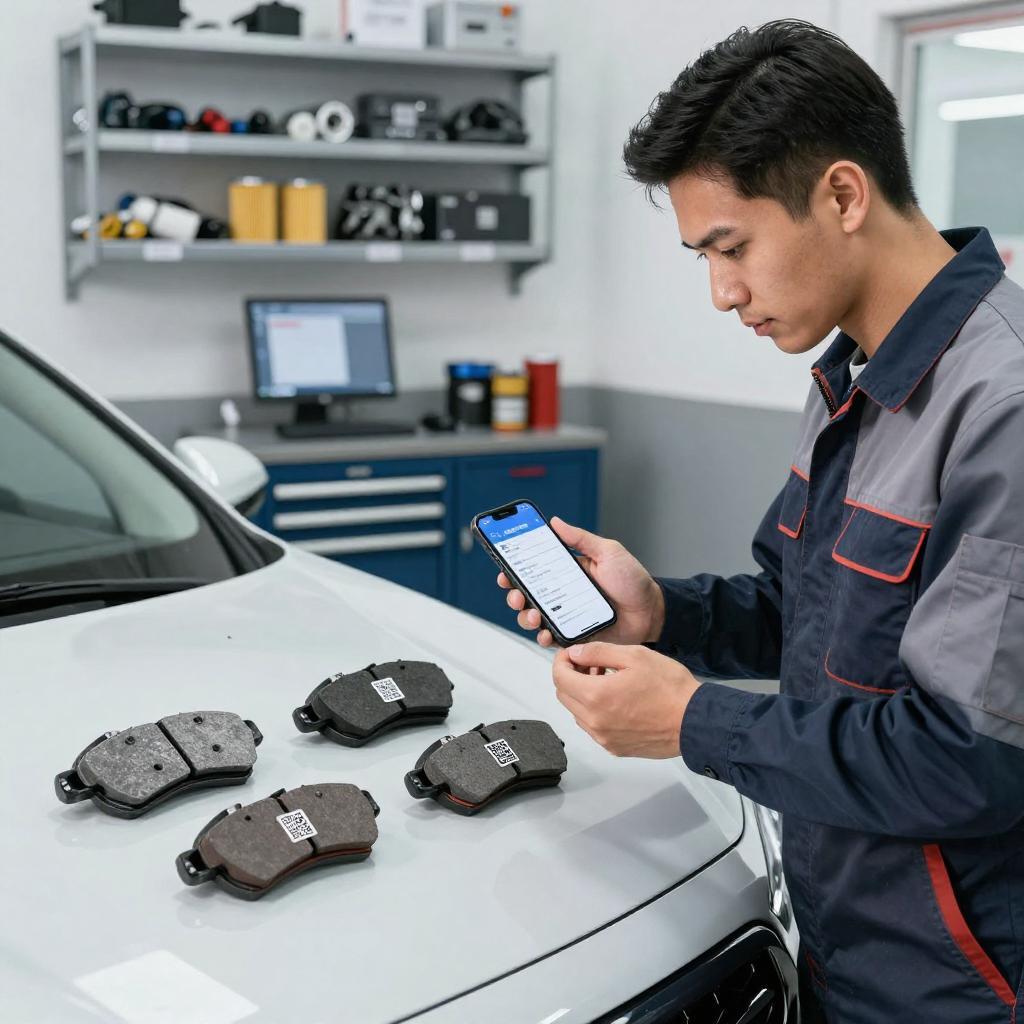
In practice, technicians scan QR codes on replacement parts and the vehicle VIN to automatically populate work orders and update the vehicle’s digital service history. This reduces manual entry errors, creates an auditable trail for stakeholders, and shortens repair cycle time. For example, an NHTSA-published GM service bulletin on scanning VIN and replacement part IDs illustrates how structured barcode and QR workflows capture part serials at installation, improving traceability for future maintenance and safety reviews.
Standards, Compliance, and Business Value
Interoperability is the linchpin. When every supplier encodes data differently, traceability stalls. That is why automakers increasingly align with the GS1 automotive industry guidelines for parts identification and traceability. Common identifiers and data structures let manufacturers, distributors, and service networks read the same codes and interpret the same fields, from factory floor to dealership.
Interoperability with Global AIDC Standards
Choice of symbology also matters. GS1-compliant QR and DataMatrix formats are optimized for small footprints, high data density, and fast scanning—even on curved or textured metal. The GS1 AIDC standards for DataMatrix and QR encoding define how to carry serial, batch, and date information in machine-readable form, ensuring that any certified scanner or mobile device can decode parts reliably across the ecosystem.
Safety, Recalls, and Warranty Integrity
When serialized parts and service history are linked, safety and compliance improve. Field failures can be traced to specific production runs in hours, not weeks. Dealers can verify warranty eligibility by scanning the installed part, cutting fraud and disputes. Regulators gain cleaner audit trails, and OEMs gain faster root-cause analysis—key outcomes for risk mitigation and brand protection.
Implementation Playbook
Start with the data model: define mandatory fields (part ID, serial, lot, manufacture date), governance rules, and retention policies. Select durable marking methods—such as laser etching or chemical-etched nameplates—validated for heat, oil, and abrasion; this expert guide on permanent 2D part marking in automotive manufacturing outlines best practices for high-contrast, scannable codes over the part’s lifecycle. Put scanning where the work happens (receiving, kitting, line-side, and service bays) and integrate with ERP, MES, and dealer service platforms to automate data capture.
KPIs That Prove Value
Measure what matters: first-time-fix rate, time-to-diagnosis, parts mismatch rate, recall containment time, warranty claim cycle time, and technician scan compliance. On the commercial side, authenticated parts enable modern marketing strategies—service reminders linked to verified components, provenance-backed parts in e-commerce, and customer apps that surface service history with a scan. These outcomes turn QR codes in business from a compliance checkbox into a competitive advantage.
Conclusion: Transparent Parts, Smarter Service
QR-enabled serialization connects every spare part to a living service record—making vehicles safer, operations leaner, and customers more confident. By anchoring deployments in open standards, durable marking, and integrated workflows, automakers and dealers can transform service bays into data engines. The takeaway is clear: treat QR codes as strategic digital transformation tools, not stickers—because the value compounding from accurate data, faster decisions, and trusted transparency will outdrive the cost many times over.