QR Codes in Agriculture: From Farm to Table Traceability
Why QR Codes Are Becoming the Traceability Linchpin
Food and agriculture are moving from paper trails to pixel trails. As consumers demand transparency and regulators tighten requirements, QR codes in business have emerged as the simplest bridge between physical products and the digital records behind them. For growers, packers, processors, and retailers, these scannable squares are pragmatic digital transformation tools that connect field data, compliance events, and modern marketing strategies in a single, low-friction touchpoint.
Regulatory Momentum You Can’t Ignore
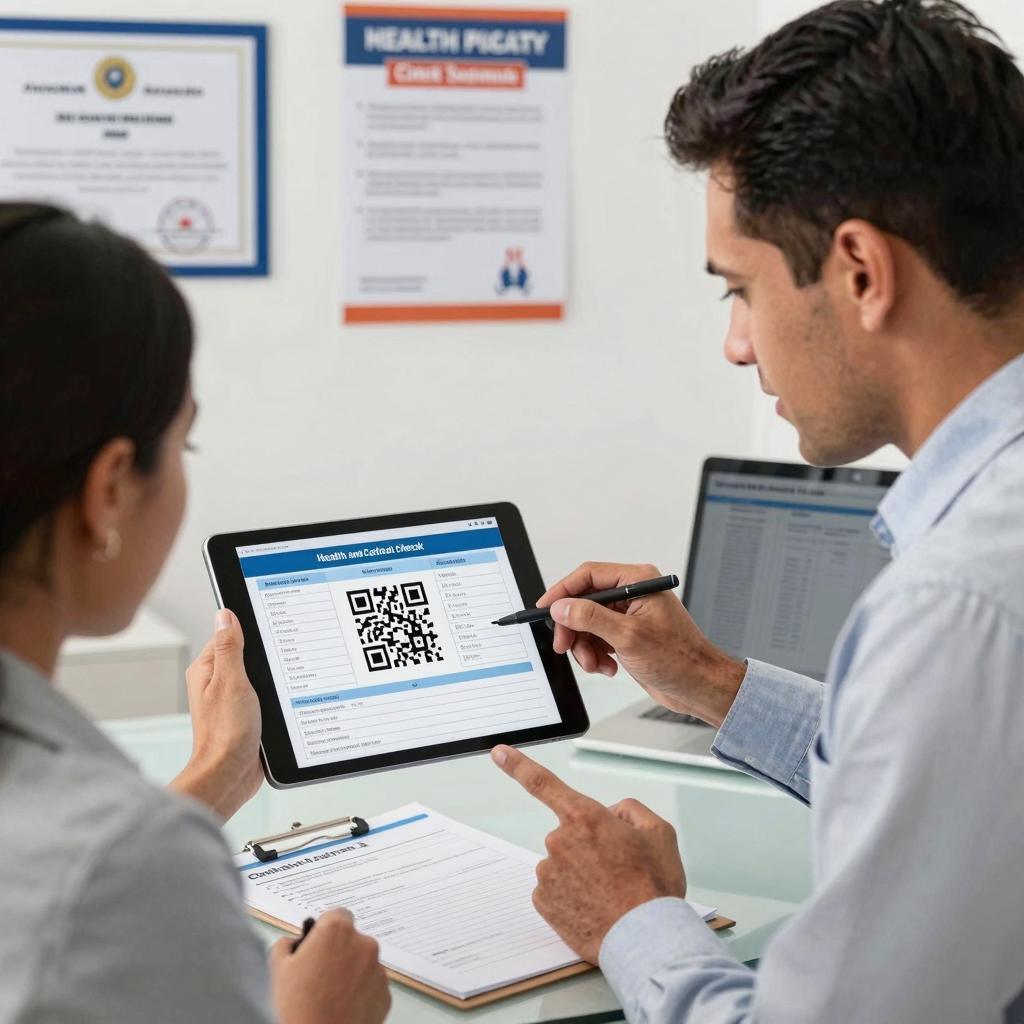
Traceability is no longer a “nice to have.” The FDA’s FSMA 204 food traceability rule elevates recordkeeping for certain high-risk foods, requiring supply chain partners to capture and share critical tracking events with speed and accuracy. While the rule doesn’t prescribe a specific technology, QR codes provide a user-friendly, mobile gateway to the underlying data—linking a lot or item ID to harvest dates, handling steps, and chain-of-custody records that accelerate investigations and reduce recall scope.
Consumer Trust and Brand Differentiation
Beyond compliance, QR codes amplify trust at the shelf. A quick scan can reveal the farm of origin, harvest window, certifications, cold-chain integrity, and even sustainability stories. That transparency translates into modern marketing strategies: dynamic landing pages that adapt by region or season, opt-in loyalty flows, and context-aware offers. In a crowded market, traceability-powered storytelling becomes a durable differentiator that strengthens lifetime value without adding friction to the purchase journey.
How QR-Powered Traceability Works in Practice
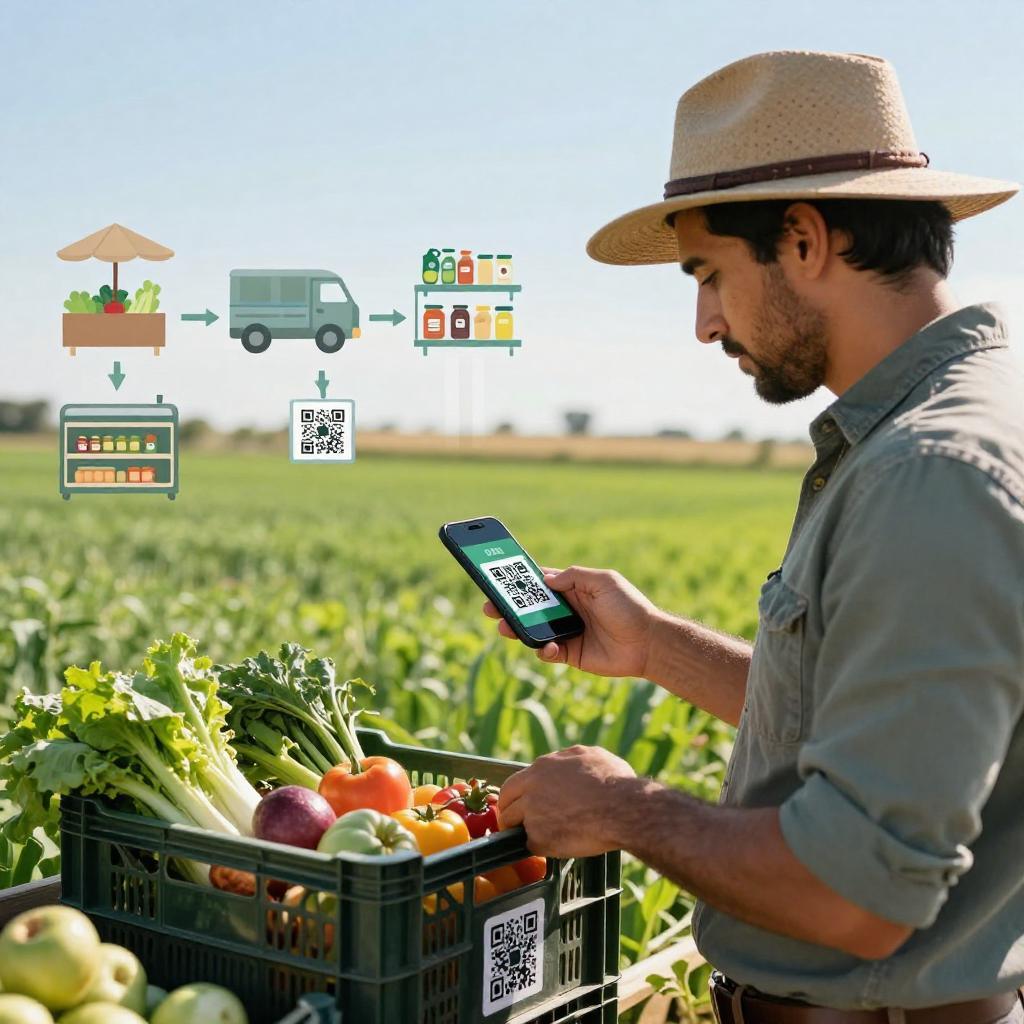
Operationally, QR codes connect source, process, and destination. At the farm or packhouse, a unique lot or item identifier is encoded and printed onto cases, clamshells, bags, or labels. As product moves through receiving, processing, and distribution, each critical event updates a cloud record keyed to that code. Scanning at retail, foodservice, or even by the end consumer resolves the code to a secure web endpoint with the right view of data. The result: a single label that supports recall readiness, supplier performance analytics, and brand engagement.
Data Architecture That Scales
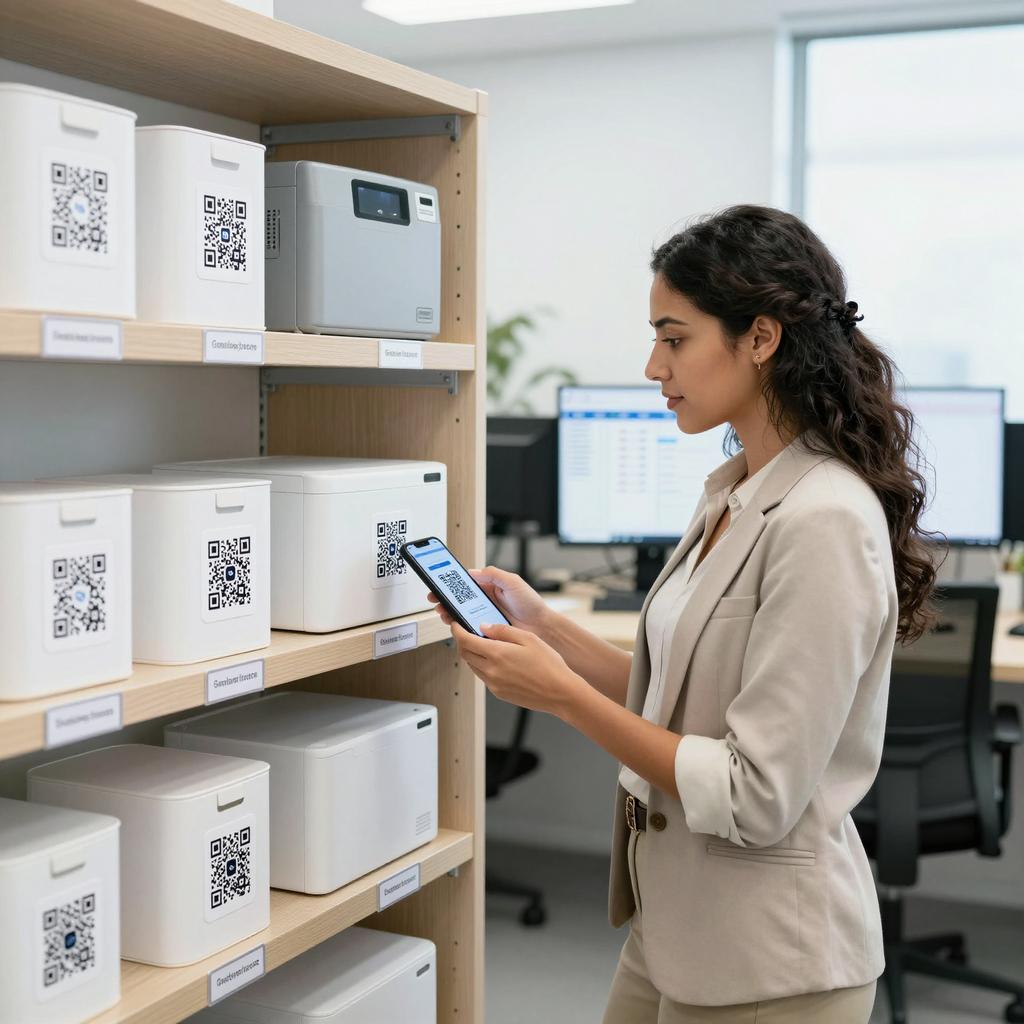
Scalable programs anchor on global identifiers and interoperable data. Many teams pair QR codes with GS1-based keys and event models so upstream and downstream partners can exchange information consistently. The code routes to a mobile-first landing page, while back-end services manage event data, role-based access, and audit logs. Practical details matter—print quality verification, durable substrates for field conditions, and error correction to survive scuffs—so the system remains reliable in real-world agricultural environments.
Implementation Roadmap for Farms and Processors
Start with a pilot: select a few SKUs on the traceability list, map existing records, and define what the QR will reveal to each audience (operations, regulators, consumers). Configure printers and verification, integrate with ERP/MES or simple spreadsheets as a bridge, and set SOPs for critical tracking events. Train teams and test recalls end-to-end. For a concise regulatory explainer, the NC State Extension overview of FSMA 204 traceability requirements is a practical reference to align stakeholders and check your data capture plan.
ROI: Beyond Compliance to Growth
Well-executed QR programs pay back across the P&L. Faster, narrower recalls reduce wasted product and reputational risk. Item- or lot-level insights cut shrink and optimize replenishment. On the demand side, QR codes power direct-to-consumer engagement without redesigning packaging—seasonal recipes, provenance stories, or warranty/registration flows—all measurable and adjustable in real time. For inspiration beyond food, see this industry case study on QR-code-enabled traceability in agrochemicals, which illustrates how serialized codes strengthen authenticity, supply chain visibility, and customer communication—lessons that translate well to farm-to-table use cases.
The Path Forward
QR codes are not a silver bullet, but they are a pragmatic catalyst: a single interface that unifies compliance, operations, and customer experience. Treat them as part of a broader data strategy—anchored in interoperable standards, clear governance, and measurable outcomes—and they become high-leverage digital transformation tools. The takeaway for leaders: start small, design for scale, and let your QR program serve both audit readiness and modern marketing strategies. Done right, one scan can carry your product’s story—and its proof—from farm to table.