QR Code Malware: What Happens When You Scan the Wrong Code
QR codes in business have become a staple of modern marketing strategies, contactless payments, and digital transformation tools—from menus and product packaging to recruiting and event check-ins. But the same convenience that streamlines customer journeys also makes QR codes a low-friction lure for attackers. If you scan the wrong code, the damage can range from credential theft to compromised devices and poisoned analytics, with real revenue and brand implications.
How QR Code Malware Works in Real Life
From scan to compromise: the typical attack chain
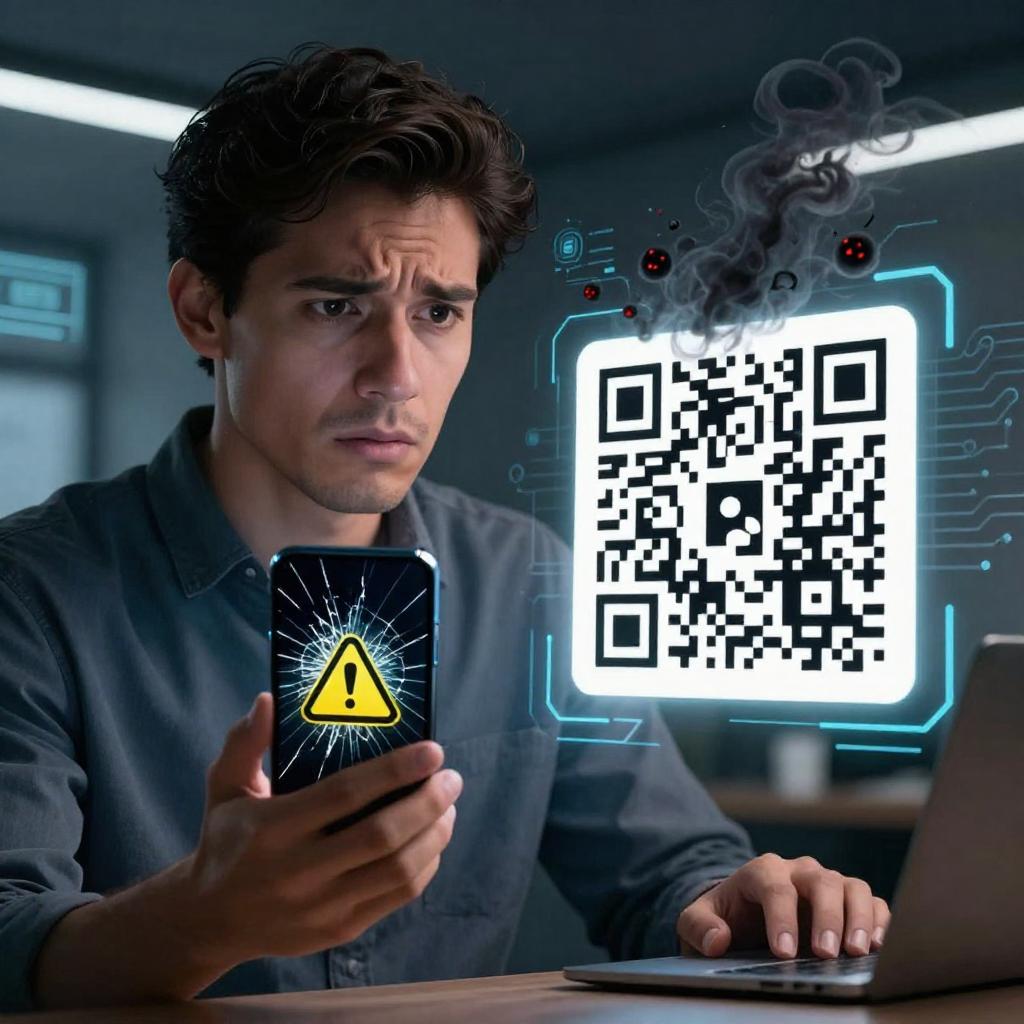
Most malicious campaigns start by replacing or imitating legitimate codes: a sticker slap on a poster, a phony label on a parking meter, or a text/email that nudges you to scan. After the scan, a shortened URL or deceptive domain routes you to a fake login, a rogue payment page, or a site prompting risky permissions (install a configuration profile, enable sideloading, or grant camera/location access). The technique is often called quishing—QR-based phishing—and it leverages urgency and trust in visual cues to move fast before skepticism kicks in.
Why business users are prime targets
Teams moving quickly with digital transformation tools often scan codes on the go: logistics workers checking parcels, sales scanning event badges, marketers validating print assets, or staff approving invoices on mobile. High scan frequency, mixed personal/work devices, and time pressure make professionals attractive targets. Attackers know that one successful scan can unlock corporate email, CRM access, or payment approvals, turning a small mistake into enterprise exposure.
What Really Happens When You Scan the Wrong Code
Immediate risks you can see
You might land on a spoofed login page, a fake shipping-status portal, or a fraudulent payment checkout. These pages harvest credentials, MFA codes, or card data and may push you to download “security updates” that are anything but. The Federal Trade Commission outlines common tells—like unexpected QR codes in texts or emails and mismatched URLs—in its consumer guidance on QR-code scam tactics: FTC advice on scammers hiding harmful links in QR codes.
Stealthy consequences you don’t
Not all fallout is obvious. A malicious QR journey can steal session tokens (bypassing passwords), plant a configuration that intercepts traffic, redirect future scans to attacker-owned domains, or quietly enroll a device into a botnet. For companies, that can escalate to business email compromise, unauthorized wire changes, or ad account takeovers that drain budgets and erode trust.
The ripple effect across modern marketing stacks
Because QR campaigns are deeply embedded in modern marketing strategies, a single tampered code can poison analytics—corrupting UTM parameters, inflating attribution with fake traffic, and contaminating CRM records. If an attacker redirects a printed campaign to a malicious site, you face both reputational harm and regulatory risk. That’s why securing QR workflows is now a marketing operations priority, not just an IT concern.
Practical Defenses That Don’t Kill Conversion
Safer QR design and deployment for marketing teams
Use branded, human-readable domains (not bare short-links), enable URL previews, and route scans through a secure redirect service that validates destinations. Sign and version your codes, and maintain an allowlist of approved endpoints. Build visible anti-tamper cues into print (microtext, foil, or contrasting backgrounds where stickers are obvious) and place codes out of easy reach to deter swaps. Train staff to verify target URLs before scanning and to report questionable codes. For sector-specific risks and controls, see the U.S. Department of Health and Human Services’ analysis of QR-based phishing in regulated environments: HHS white paper on QR codes and phishing threats.
What reputable sources recommend (and what to do next)
Law enforcement highlights a growing trend of fraud tied to unsolicited QR codes. The FBI’s Internet Crime Complaint Center warns about packages and mailers seeded with malicious codes; review its guidance here: FBI IC3 public service announcement on unsolicited QR-code packages. For a resilient playbook: standardize QR governance in your marketing ops, restrict code destinations to vetted domains, enforce device protections (OS updates, mobile threat defense), require phishing-resistant MFA, and monitor redirects and scan analytics for anomalies. The takeaway for leaders: QR codes in business are powerful digital transformation tools—but they demand the same risk management you apply to payments and identity. Treat every scan as a potential entry point, and your modern marketing strategies can stay both high-conversion and high-trust.