Quishing 101: Protecting Your Business from QR Code Phishing Attacks
What Is Quishing and Why It Matters
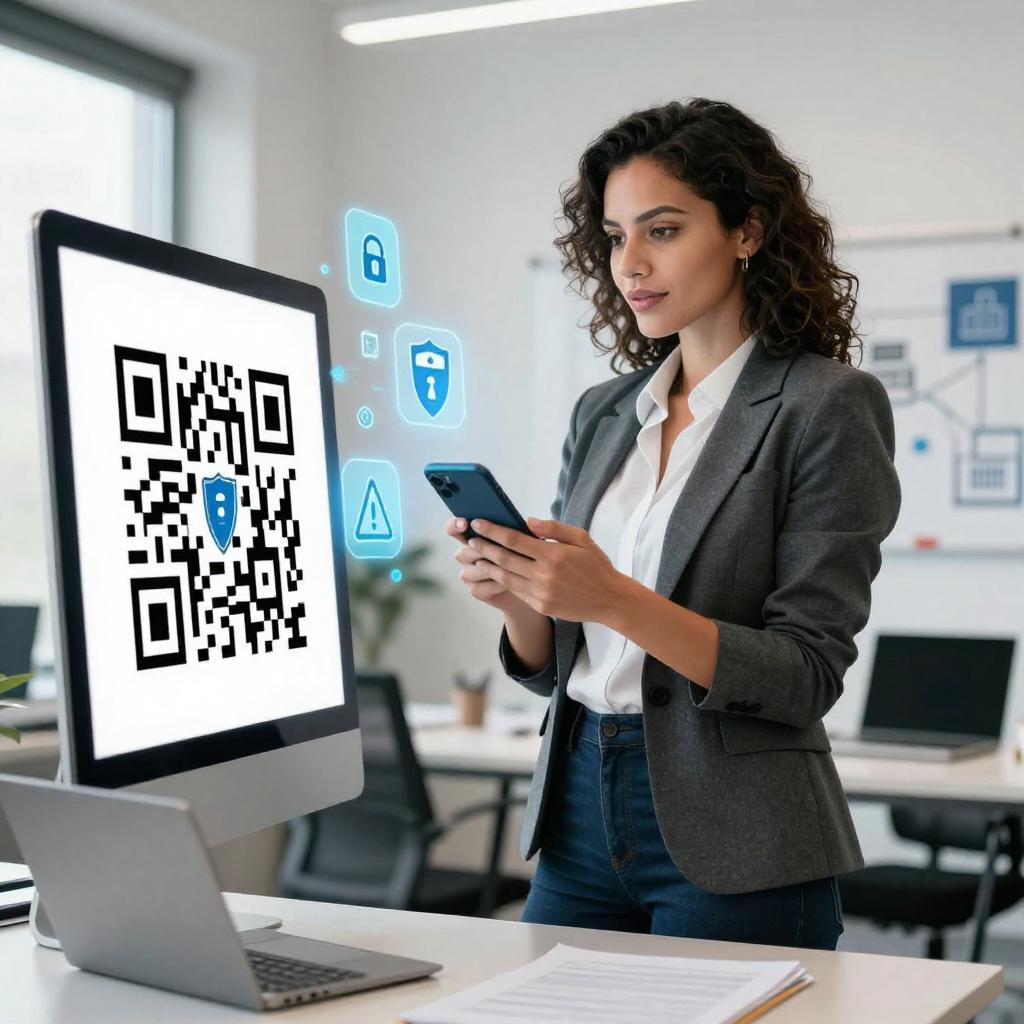
Quishing—QR code phishing—exploits the convenience of scannable codes to drive employees or customers to malicious destinations. As QR codes in business become standard for payments, check-ins, menu access, and app downloads, adversaries swap or seed fraudulent codes that redirect to credential harvesters or malware. For organizations deep into digital transformation tools and modern marketing strategies, this attack vector hides in plain sight, turning a trusted offline-to-online bridge into a security blind spot.
Because QR journeys often start on personal or unmanaged mobile devices, quishing neatly sidesteps many enterprise controls that protect traditional email and web traffic. The result is a rising risk surface at the exact intersection of customer experience, field operations, and omnichannel marketing—where speed and simplicity are prized, but verification is often an afterthought.
How Attackers Exploit QR Codes Across the Customer Journey
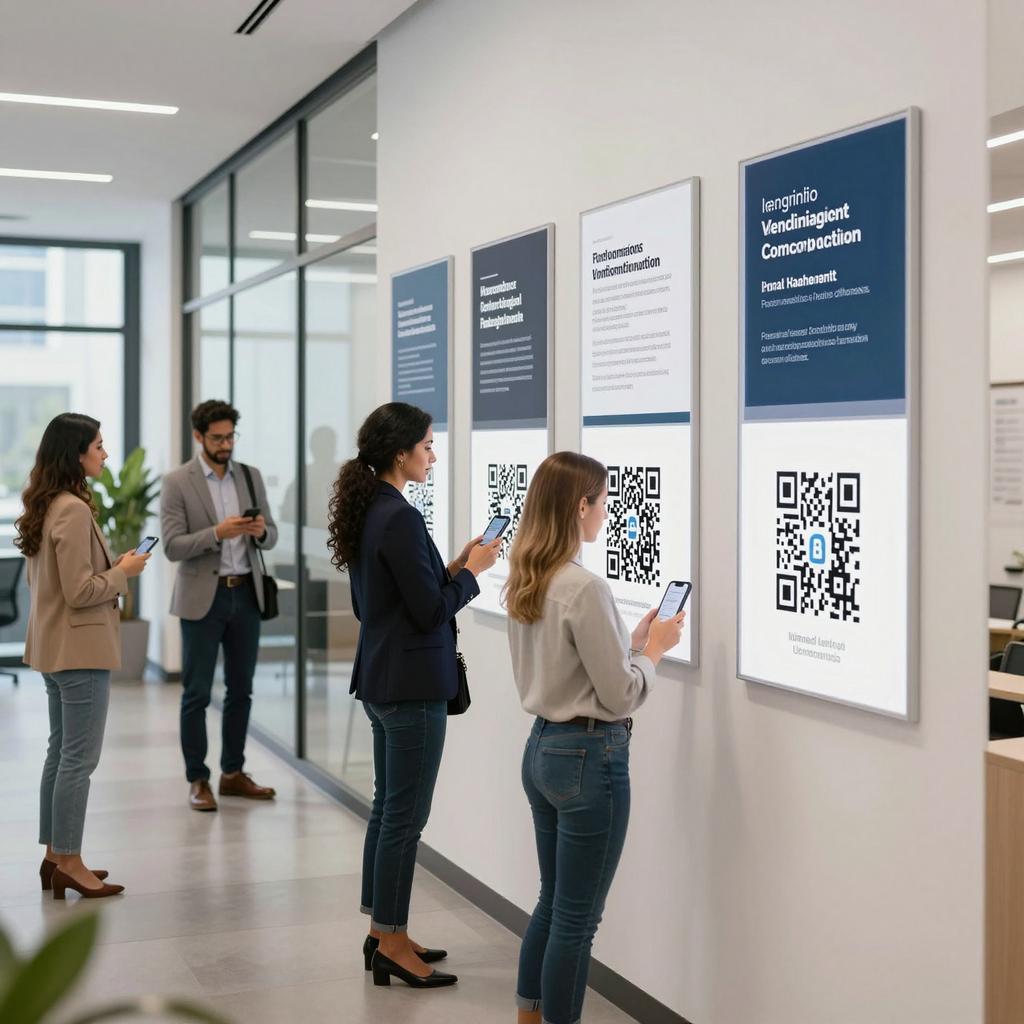
Attackers weaponize QR codes at every touchpoint: posters and signage, parking meters, delivery notices, event badges, invoices, and tech support messages. A victim scans, lands on a lookalike site, and is nudged to sign in, pay a fee, or install a “viewer” app—often on a mobile browser with fewer security cues. In B2B contexts, criminals seed QR codes into vendor emails or shipping labels to trigger urgent finance actions, blending physical tampering with social engineering to bypass link filters and domain reputation checks.
Common Real-World Scenarios
Sticker-swapping on public signage and counterfeit QR labels on point-of-sale displays are frequent quishing tactics, as are fake delivery redirection pages and password reset prompts masquerading as trusted brands. The UK NCSC’s analysis of QR code risks highlights how social engineering and subtle physical tampering create credible traps in everyday settings, from car parks to cafes.
Why Quishing Evades Traditional Defenses
QR codes are images, not clickable links, so many email gateways can’t detonate or rewrite them. Scans typically occur on mobile devices outside corporate networks, eroding visibility and making UEBA and safe-browsing policies harder to enforce. Guidance like CyberScotland’s guidance on preventing quishing attacks stresses the unique mobile and physical dimensions of this threat, while the FBI IC3 alert on malicious QR codes underscores how attackers blend urgency, spoofed brands, and device-switching to defeat traditional email and web filters.
Risk to Regulated Industries and Brand Trust
Healthcare, finance, and public services are prime targets because QR codes streamline high-stakes workflows—patient portals, billing, and identity verification. The Irish NCSC quick guide to QR code phishing and scams details practical steps like previewing URLs, verifying domain ownership, and reporting tampered codes. Beyond compliance, a single quishing incident can erode brand trust and undercut modern marketing strategies that rely on frictionless mobile engagement.
A Layered Defense Playbook for QR Code Security
Treat QR as a channel to secure, not a graphic to print. Standardize short, human-readable, branded domains for all campaigns; route scans through a vetted link-checking service with URL preview; enforce device-level protections via MDM/MAM; disable auto-open behaviors in QR scanner apps; isolate risky destinations with browser isolation; restrict privileged actions behind step-up authentication; and add tamper-evident materials or NFC overlays on signage. Train staff to validate codes before use, embed scannable trust signals (e.g., microsite footers, DNSSEC/DMARC-backed domains), and monitor QR-driven traffic for anomalies like unusual geos, device types, or scan patterns.
Conclusion
QR codes are powerful digital transformation tools that connect offline moments to online value, but that same convenience invites abuse. By hardening how you generate, publish, and measure QR experiences—and by extending protection to the mobile edge—you can keep modern marketing strategies fast and user-friendly without sacrificing security. The takeaway: design QR journeys with verification built in, assume the scan happens off-network, and make trust visible at every step.