Printed Electronics QR Codes: When QR Codes Become Smart Materials
What Happens When Codes Become Materials
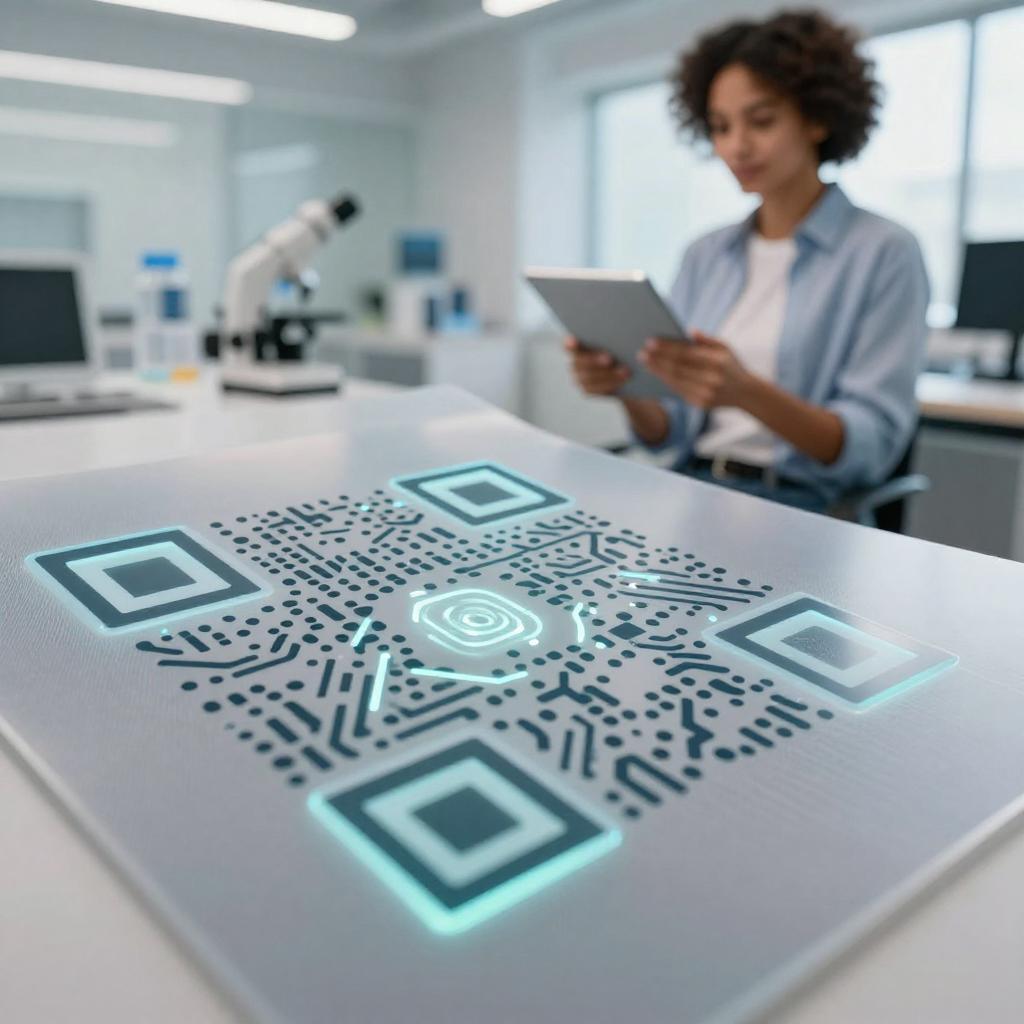
QR codes are graduating from static graphics to functional layers, thanks to printed electronics that turn inks and substrates into circuitry. When a code becomes part of the material itself, it can sense, signal, and authenticate—melding physical products with digital services. For leaders exploring QR codes in business, this evolution elevates packaging from a passive label to an active channel for data, service, and loyalty within modern marketing strategies.
From Labels to Functional Surfaces
With conductive inks, flexible substrates, and low-cost printing, QR patterns can be co-printed alongside traces, antennas, or sensors without adding bulky modules. The result is a scannable surface that can detect tampering, track temperature exposure, or verify origin, then surface context-aware experiences at scan. In practice, this means fewer applied components, simpler recycling, and a path to scalable, sustainable digital transformation tools embedded directly into the product.
Beyond Redirects: Sensing, Power, and Memory
Printed electronics make it possible for the code to do more than route to a URL. Colorimetric inks can change state when exposed to moisture or heat; printed capacitive patterns can detect touch; and energy-harvesting layers can power simple interactions. The QR image remains the familiar gateway for consumers, while the material behind it provides event data and authenticity signals—allowing brands to deliver dynamic content, automate recalls, and personalize post-purchase engagement at the moment of scan.
Why This Matters for Business and Marketing Strategies
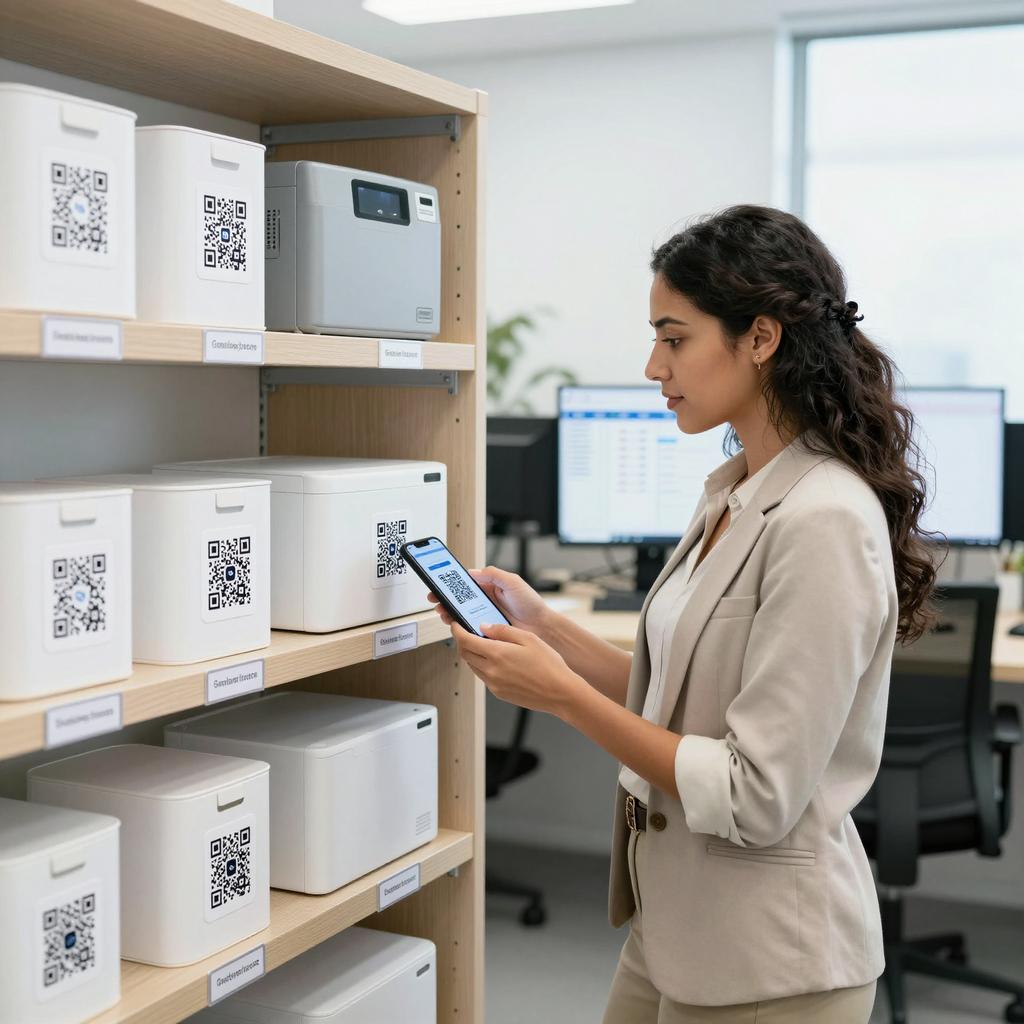
For commercial teams, QR codes as smart materials unlock first-party data, real-time supply chain visibility, and richer service models without adding friction for customers. They also align with sustainability reporting by reducing extra components and enabling material-level traceability. Strategically, this new class of packaging converts every unit into always-on media—turning compliance spend into growth by fusing service, analytics, and modern marketing strategies into a single touchpoint.
Standardization Unlocks Scale
Interoperability is non-negotiable. The GS1 Digital Link standard ensures that a single code can carry product identity, attributes, and connections to multiple endpoints while remaining readable across scanners and apps. See GS1 guidance in best practices for QR codes powered by GS1 Digital Link and the GS1 US Digital Link Implementation Guide. Pairing these standards with printed functions (e.g., tamper evidence, freshness indicators) ensures that smart materials are not just clever prototypes but enterprise-ready assets.
Packaging as a Digital Transformation Tool
Market analysts highlight rapid momentum around smart packaging, with printed electronics central to reducing BOM cost and enabling item-level intelligence. For a view of scale and use cases, review the IDTechEx Smart Packaging 2023–2033 research and the Smithers analysis of intelligent packaging markets. These perspectives underline why QR-enabled smart materials are moving from pilots to production: they’re practical, standards-aligned digital transformation tools that deliver measurable ROI.
Implementation Playbook
Data Strategy and Privacy by Design
Treat each scan as a high-value first-party signal. Map identity (GTIN/lot/serial), consent, and event telemetry to a secure data model that honors privacy jurisdictions. Align content routing with lifecycle state (pre-sale, in-use, end-of-life) and integrate with CRM, CDP, and service platforms. Build tamper-proof audit trails by linking printed features to digital twins, so quality teams, retailers, and consumers can all verify the same truth without adding scanning complexity.
Roadmap and KPIs
Start with a lighthouse SKU and measure three tiers of outcomes: operational (recall speed, OEE impact), commercial (repeat scans, opt-ins, conversion), and brand (NPS, sustainability claims verified at scan). As capabilities mature, add advanced printed functions—condition monitoring, counterfeit flags, refill tracking—while consolidating unruly QR estates under GS1 Digital Link governance. The takeaway: when QR codes become smart materials, packaging evolves into a persistent service layer—transforming everyday products into connected experiences that compound value across the business.