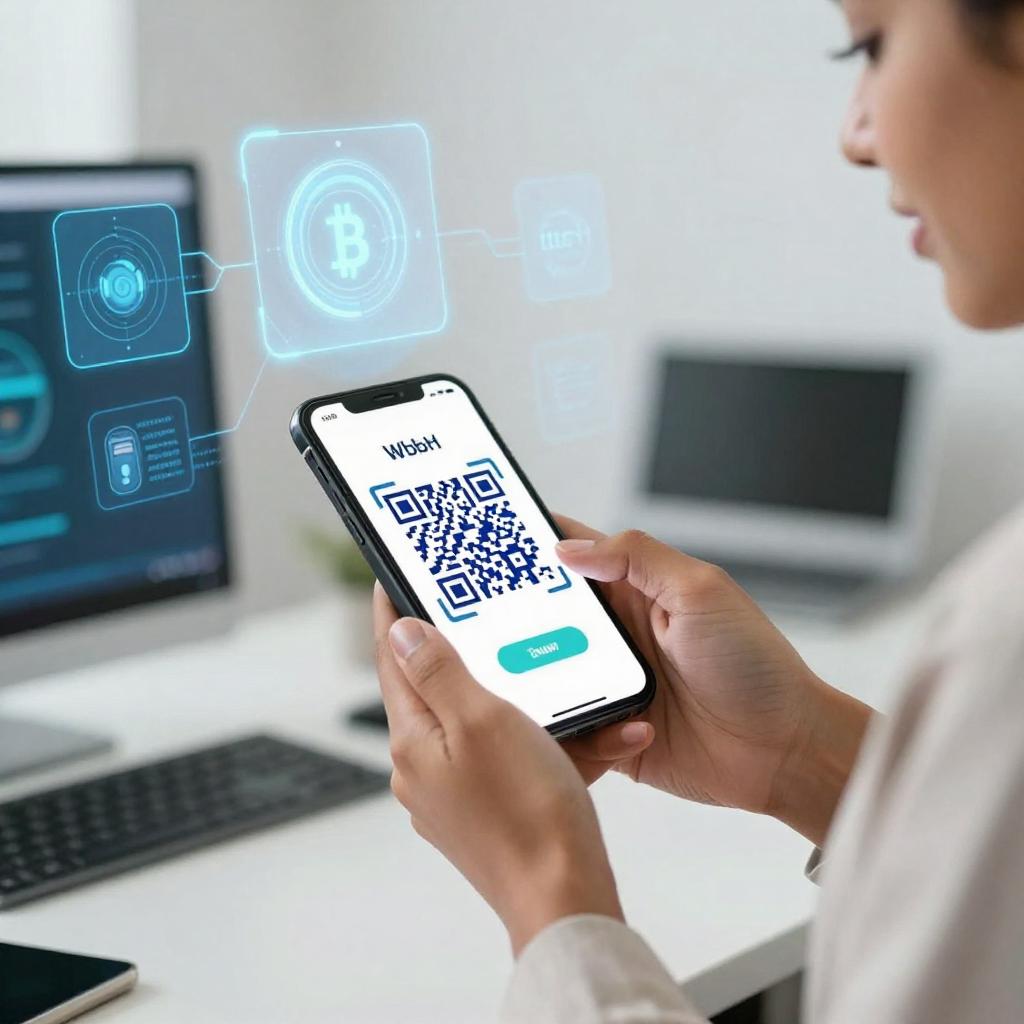
QR Codes for Web3 and Cryptocurrency Payments
Why QR Codes Matter in Web3 Payments
QR codes are quietly becoming the connective tissue between the physical world and decentralized finance, turning a simple scan into a secure, on-chain transaction. For business leaders, they compress complex wallet addresses and parameters into a single action, reducing checkout friction and supporting mobile-first journeys. As organizations accelerate digital transformation tools, scan-to-pay with crypto is emerging as a practical upgrade to point-of-sale, invoicing, and loyalty experiences—without forcing customers to type, copy, or double-check strings of characters.
Standards That Make Scan-to-Pay Possible
The magic behind a smooth crypto QR experience is standardization. On Ethereum, the official EIP-681 specification defines payment request URIs that wallets can parse to prefill recipient, amount, token, and even function calls. In the multi-chain world, analogous approaches exist—Cardano’s CIP-0013 payment URI standard mirrors the familiar Bitcoin-style payment links to enable dependable QR-based transfers across wallets and apps. These standards are the backbone of interoperable QR code flows in Web3.
Interoperability and Security Considerations
Interoperability hinges on URIs that encode chain IDs, contract addresses, and precise parameters while remaining human-auditable at a glance. Teams should design QR payloads with minimal ambiguity, explicit token decimals, and clear network indicators to reduce mis-sends. The ecosystem is also iterating toward richer intent formats, such as the MetaMask proposal for Ethereum Intent URIs, which aims to encode higher-level actions in a wallet-friendly way. Security-wise, bind QR codes to trusted domains, display checksums or ENS names when possible, and use short-lived or dynamically priced links for volatile assets.
Business Value: From Checkout to Marketing
For QR codes in business, the upside is multifold: faster lines at retail checkout, instant invoice settlement in B2B, and simplified donations, tipping, or event access. Because QR flows are trackable, they double as digital transformation tools—connecting offline placements (packaging, receipts, signage) with on-chain outcomes and analytics. In modern marketing strategies, QR codes can turn campaigns into direct conversion moments, letting customers claim NFTs, join loyalty programs, or pay for gated content with a single scan.
Implementation Blueprint for Product Teams
Start by selecting the chains and tokens you’ll accept, then implement URI generation that conforms to wallet standards (e.g., D’CENT’s developer guide to EIP-681 payment URIs offers practical examples). Build a service that creates expiring links, computes amounts in fiat at the time of scan, and updates statuses via webhooks. Test across major wallets and platforms, including fallback flows (deep links, universal links) when QR scanning isn’t available. Instrument everything—success rate, abandonment, average time to confirm—to continuously refine conversion.
UX Best Practices That Boost Conversion
Great QR flows do the basics right: show the network, asset, and amount in both crypto and fiat; include a friendly payee name; and confirm the action in-wallet with unambiguous copy. Add guardrails like rate-limiters, on-the-fly recalculations for volatile markets, and clear error states if the user switches networks. For physical placements, ensure high-contrast codes, redundant short URLs, and staff training to guide customers—small details that drive outsized gains in completion rates.
Looking Ahead: Omnichannel Crypto Commerce
As wallets, exchanges, and PoS providers converge, expect QR standards to align further and bridge card-present and wallet-present experiences. We’ll see broader hardware support at the counter, programmatic rewards tied to on-chain receipts, and richer attribution for omnichannel campaigns. For companies building modern marketing strategies, the priority is clear: adopt QR-driven crypto payments now, learn from real customer behavior, and iterate. The takeaway is simple—QR codes are no longer a novelty; they are a practical, scalable interface for bringing Web3 value into everyday commerce.