Why QR Codes Are Essential for B2B Marketing Materials
From Static Print to Smart Touchpoints
In a market where buying cycles are complex and stakeholder groups are large, QR codes in business transform print collateral from static handouts into interactive, measurable smart touchpoints. Whether on brochures, packaging, event signage, or sales kits, these scannable gateways compress a long URL, form, demo, or proof-of-value asset into a single, instant action—perfect for modern marketing strategies that prize speed, personalization, and attribution.
What QR Codes Add to B2B Journeys
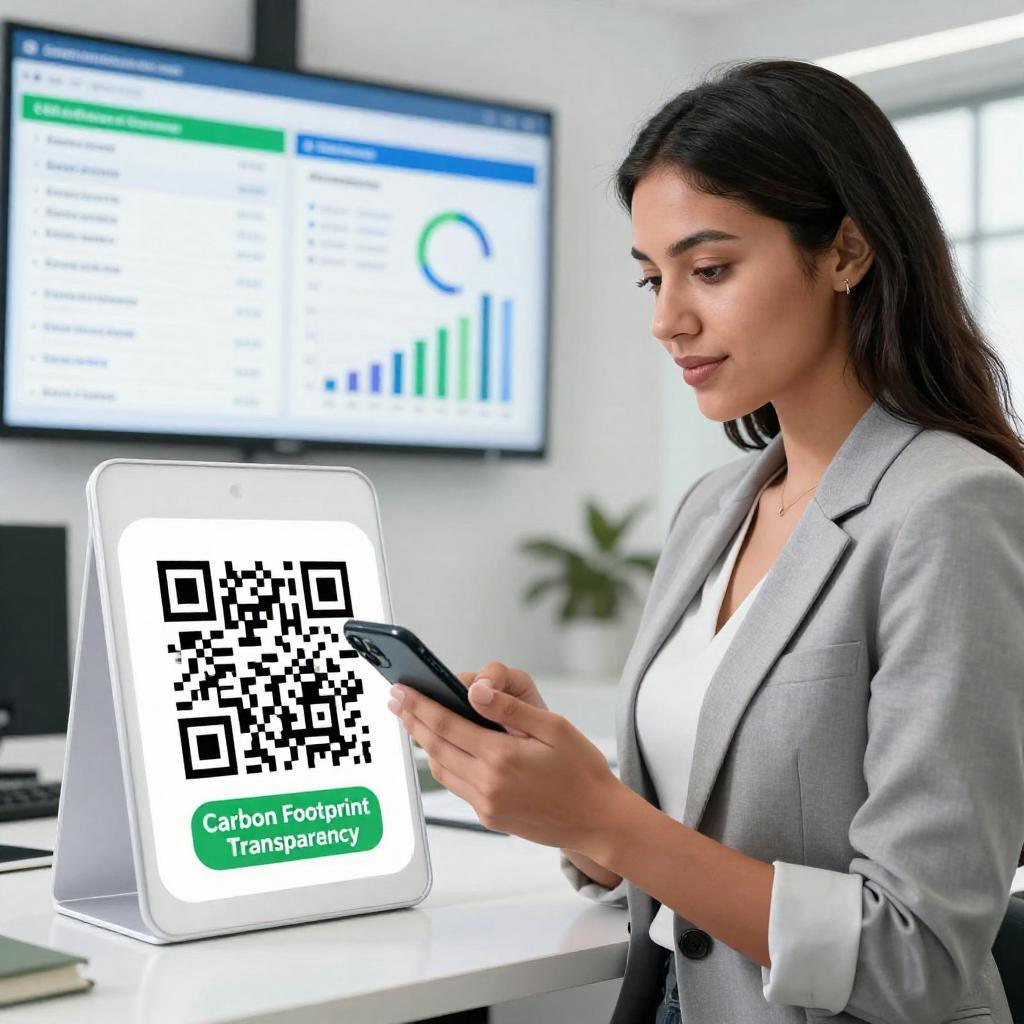
QR codes reduce friction between offline interest and online action, letting prospects jump straight to mobile-optimized content, book demos, or save product specs. Done well, they also build trust: clear microcopy, visible destinations, and consistent branding increase scan intent. For practical UX guidance, see the Nielsen Norman Group’s evidence-based recommendations in QR code usability guidelines, which emphasize context, clarity, and mobile-friendly destinations.
Data, Attribution, and ROI
Because every scan can be tagged with UTM parameters and routed through a redirect, marketers can attribute offline influence with the same rigor as digital channels. This matters as scanning becomes mainstream; see the trend lines in global QR code usage statistics from Statista. With structured tracking, QR-driven campaigns reveal which creative, placements, and offers turn a trade-show passersby into a qualified lead—unlocking continuous optimization.
Operational Advantages Beyond Marketing
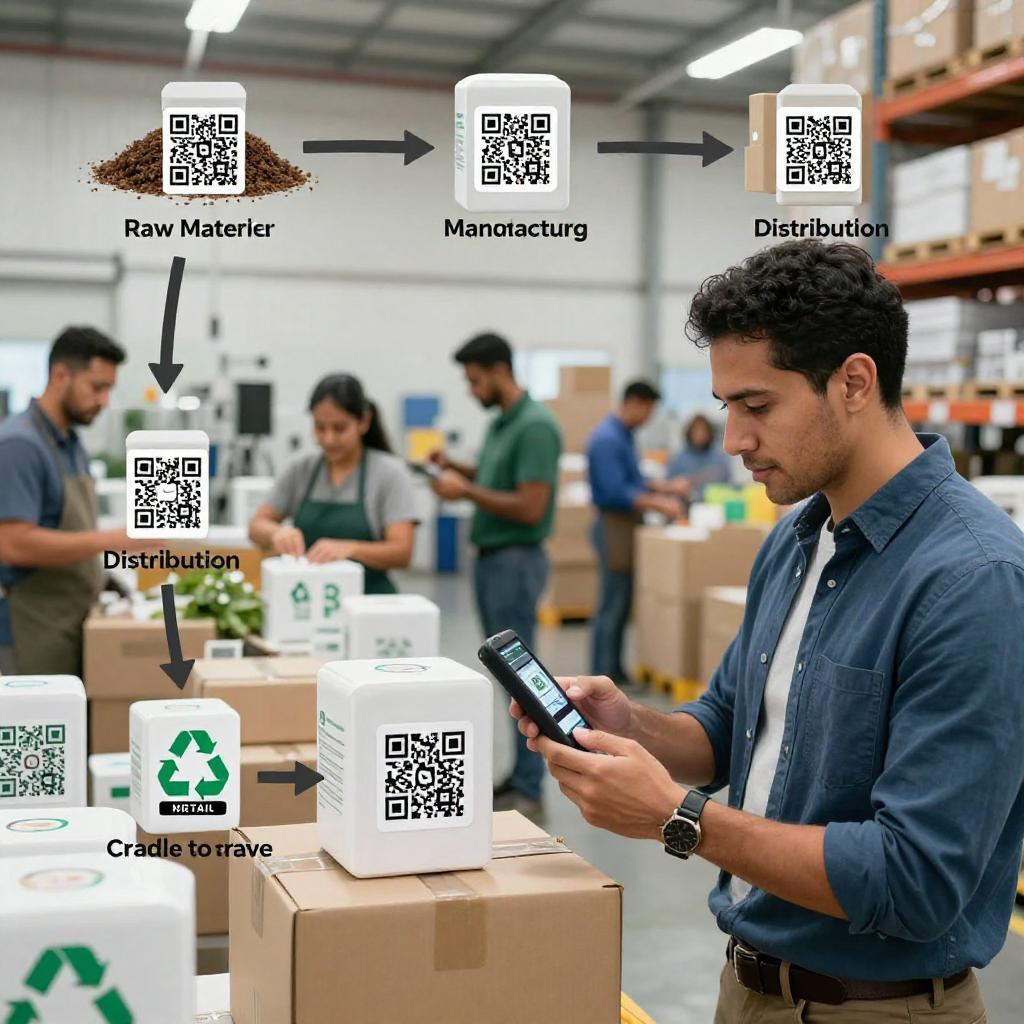
QR codes are also powerful digital transformation tools. On packaging and technical literature, a single code can route buyers to versioned documentation, installation guides, warranty registration, and parts catalogs—reducing support friction while keeping information current without reprinting. For regulated industries, QR-enabled transparency (provenance, certifications, or recalls) can enhance brand trust and shorten due diligence for procurement teams.
GS1 Digital Link and the One-Code Future
For enterprises that want one symbol to serve both operations and marketing, the GS1 Digital Link standard connects product identifiers to dynamic web resources, enabling supply chain scanning and rich content from the same code. That means fewer marks on packaging, simpler updates, and more consistent data across systems—an elegant foundation for omnichannel experiences and compliance-readiness as product data becomes more regulated and customer-facing.
Events, Sales Collateral, and ABM
In field marketing and account-based plays, QR codes turn every booth wall, leave-behind, and direct mailer into a conversion bridge. Sales teams can route scans to account-specific landing pages, gated demos, or calendar booking. For tactical inspiration on creative placements and workflows, review HubSpot’s guide to marketing with QR codes, then pair those ideas with your CRM to capture and nurture scan intent in real time.
Execution Playbook and Pitfalls
Make the destination mobile-first and load fast; state the value clearly near the code (for example, “Scan to get the ROI calculator”); place codes where people can comfortably pause and scan; size them for distance and print quality; and use branded redirects to retain trust. Prefer dynamic codes so you can update content without reprinting. Govern your QR program like any channel: define naming conventions, own redirects, secure against spoofing, and measure scan-to-conversion with the same discipline as paid media.
Conclusion
QR codes are no longer a nice-to-have badge on print—they’re a backbone of modern marketing strategies that blend offline influence with digital precision. By treating QR as a strategic layer across collateral, packaging, events, and service, B2B teams gain faster paths to value, richer data for optimization, and a scalable, standards-based bridge for digital transformation tools. The result is a smarter, more measurable buyer journey—delivered from a simple, scannable square.