Using QR Codes to Drive Traffic to Landing Pages
QR codes have re-emerged as one of the most practical bridges between offline attention and online action. With native scanning built into smartphone cameras, a simple scan can route customers to a purpose-built landing page in seconds. For teams adopting QR codes in business, the opportunity is less about novelty and more about creating a measurable, mobile-first path to conversion. Done well, QR codes become lightweight digital transformation tools that translate real-world interest into trackable, high-intent visits.
Why QR Codes Are Powerful in Modern Marketing
QR codes compress the entire journey from discovery to destination into a single gesture, eliminating friction that typically erodes response rates. They are context-rich—appearing on packaging, signage, receipts, or event materials exactly when curiosity peaks—making them ideal components of modern marketing strategies. Because landing pages can be tailored by placement, campaign, and audience, scans often represent warm intent rather than cold traffic. And unlike many offline tactics, QR campaigns are inherently measurable, enabling rapid iteration and budget efficiency.
Static vs. Dynamic QR Codes
Static QR codes encode a fixed URL, which is fine for basic use but limiting for campaigns that evolve. Dynamic QR codes route through a short link you control, so you can change destinations, add UTM parameters, and track scans without reprinting assets. That flexibility is critical for landing page testing, localization, and seasonal offers. For most business use cases, dynamic wins on agility and analytics.
Best Practices for Print-to-Digital Journeys
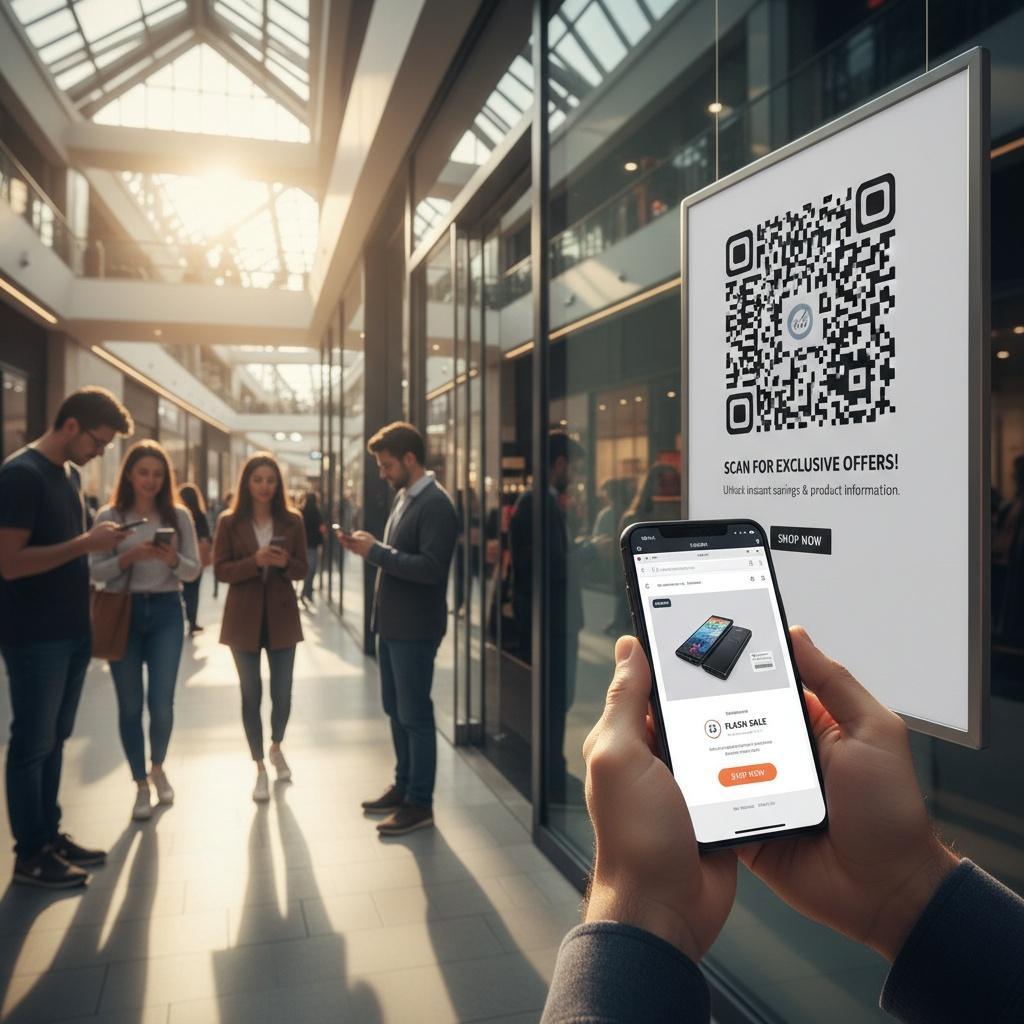
Treat the QR as a call-to-action, not an ornament. Use a clear benefit statement (for example, “Scan to get 15% off today”) and ensure proper size, contrast, and a quiet zone so it scans quickly from typical distances. Always include a short URL fallback for users who prefer typing. For design and messaging inspiration rooted in fundamentals, see Adobe’s guide to QR code marketing, which reinforces clarity and context as keys to adoption.
Designing Landing Pages for Scan Traffic
Scans are overwhelmingly mobile, so prioritize speed, readability, and a single, unmistakable action above the fold. Align the landing page promise with the scan context (packaging, poster, or receipt) to reduce bounce and build trust. Use UTM tags to segment traffic by placement and creative, and consider deep links to apps or wallets for one-tap redemption. For creative inspiration on what top brands route visitors to post-scan, review these brand QR code examples from Uniqode.
Optimization and Analytics That Matter
Track more than raw scans; monitor landing page sessions, scan-to-visit rate, dwell time, conversion rate, and revenue per scan. Use time-of-day and location insights to tune placements and staffing, and run A/B tests on CTAs, incentives, and page layouts. Segment by media (packaging vs. flyers vs. OOH) to find your highest-ROI channels. For a practical overview of use cases and measurement, explore Scanova’s guide to QR codes in marketing. Tie it all together in GA4 or your CDP to attribute offline triggers to online outcomes.
Proven Use Cases Across the Funnel
Top of funnel: product packaging that launches a brand story, limited-time bundles, or store locators. Mid-funnel: event badges or demo stations that open interactive tours or calculators tied to industry pain points. Bottom of funnel: direct-response offers, instant financing pre-approvals, or post-purchase upsells. For real-world landing page inspiration, browse Landingi’s QR code landing page examples to see how design and message cohesion boosts conversions.
Bring It All Together
When you combine intentional placement, compelling offers, and mobile-optimized landing pages, QR codes stop being a novelty and start operating as dependable growth levers. Treat them as part of your broader digital transformation tools stack: plan, tag, test, and iterate. Align every scan with a specific audience, promise, and metric, and you’ll elevate QR codes in business from awareness gadgets to revenue drivers. The takeaway is simple: design for the moment of curiosity, reduce the steps to value, and measure relentlessly—modern marketing strategies don’t get more direct than that.