Using QR Codes in Fitness Centers for Workout Guides
QR codes have become one of the most practical digital transformation tools for fitness centers, turning static equipment into interactive coaching stations. By bridging the gap between machines and on-demand instruction, gyms can reduce member confusion, elevate safety and form, and support modern marketing strategies that are measurable and scalable. In short, QR codes in business aren’t just about convenience—they’re a smart way to deliver training value while gathering insights that improve the entire member journey.
Why QR Codes Elevate the Gym Experience
From machine to mobile tutorial
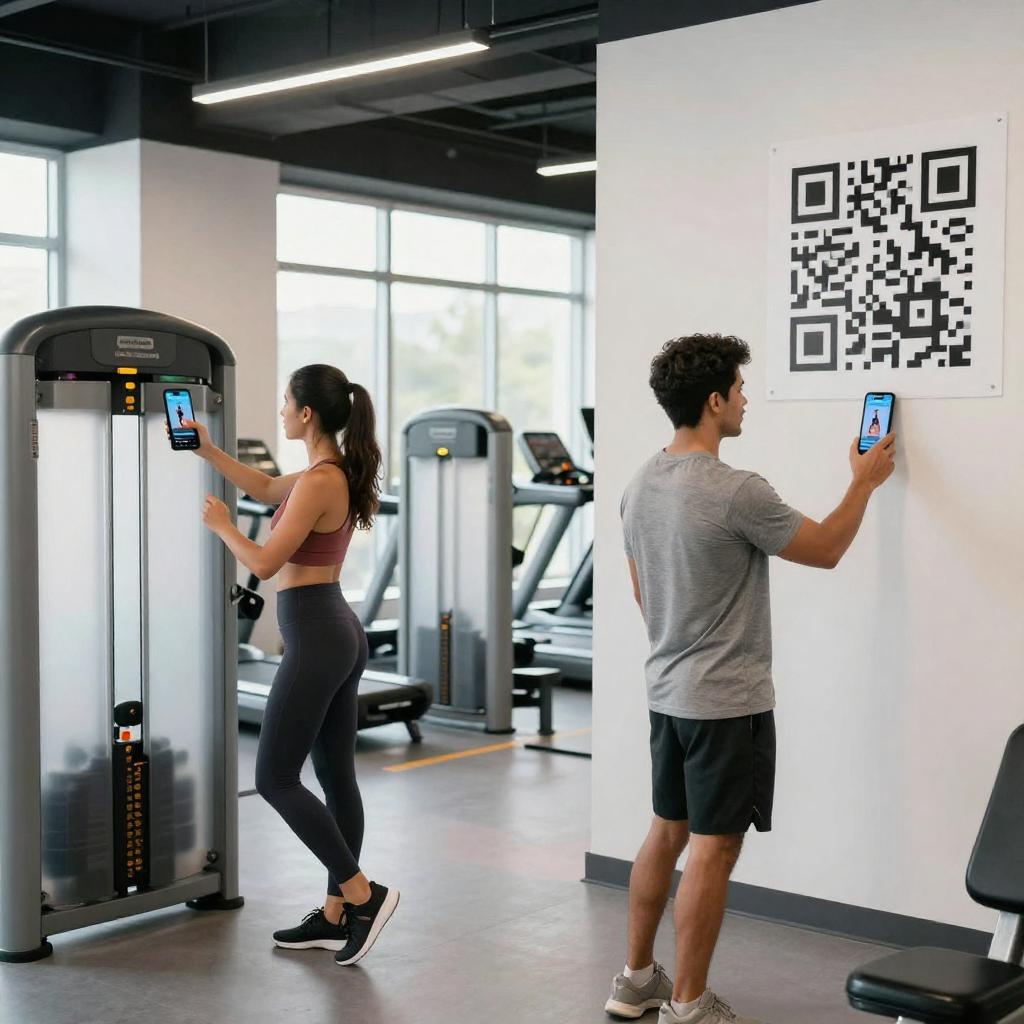
When a member scans a QR sticker on a machine and instantly sees a 30–60 second tutorial with proper setup, form cues, and progressions, the workout becomes safer and more effective. Leading manufacturers are embracing this model; for example, TechnoGym Mywellness QR integration connects equipment to guided content and tracking, helping members learn faster while freeing staff from repeatedly demonstrating basics during peak hours.
Data-driven coaching and retention
QR-enabled tutorials also unlock a data loop that strengthens coaching and retention. With link analytics, operators can track scan-through rates, content completion, and repeat usage to see which exercises confuse members or which machines drive the most questions. These insights inform staff training, signage, and programming. As Bitly outlines in its guidance on how fitness brands use QR codes to engage members, combining dynamic QR codes with short, goal-specific content is a proven play in modern marketing strategies—and it translates seamlessly to gym floors.
Implementation Best Practices for Gyms
Design and placement that members notice
Make scanning effortless: use high-contrast codes, adequate size, and a clear quiet zone around the code. Place stickers within a natural line of sight at setup points and pair them with a concise call to action, like “Scan for setup and form.” Add a short URL for members who prefer manual entry and consider NFC tags for tap-to-open redundancy. These small design choices reduce friction and increase usage across all member personas.
Content that shortens time-to-competence
Focus on quick wins: short videos with captions, beginner/intermediate variations, and common mistakes to avoid. Provide multi-language options when relevant and ensure audio-off viewing works in noisy floors. It helps to showcase real examples members will see on your floor—like QR-enabled mobile trainer stations that deliver exercise demos right at the point of use. The goal is to reduce intimidation, shorten time-to-competence, and keep members moving confidently.
Secure, measurable, and scalable
Use dynamic QR codes so you can update links without reprinting stickers, add UTM parameters for campaign-level tracking, and route scans to mobile-first pages or deep links in your app. Protect privacy by avoiding unnecessary data collection and aligning with your consent policies. Finally, operationalize maintenance: document where codes live, audit them quarterly, and assign ownership so broken links or worn labels never undermine trust.
Real-World Payoffs and a Simple Pilot Plan
KPI framework and rollout
Start with a low-risk pilot on 10 high-traffic machines. Track KPIs such as scans per visit, video completion rates, equipment misuse incidents, staff time spent on basic demos, and member satisfaction scores. Train floor staff to reference the codes during onboarding sessions, and A/B test different calls to action to boost engagement. After 30–60 days, double down on the winning content and expand to the full floor.
The strategic big picture
QR codes in business are a prime example of high-leverage, low-cost digital transformation tools: they turn every machine into a teachable moment, unify operations and coaching, and feed a continuous improvement loop powered by data. For fitness operators seeking modern marketing strategies that actually improve outcomes on the floor, QR-enabled workout guides are a pragmatic first move—start small, measure, iterate, and scale what works.