Using QR Codes for Warehouse and Logistics Automation
Why QR Codes Are a Smart Upgrade
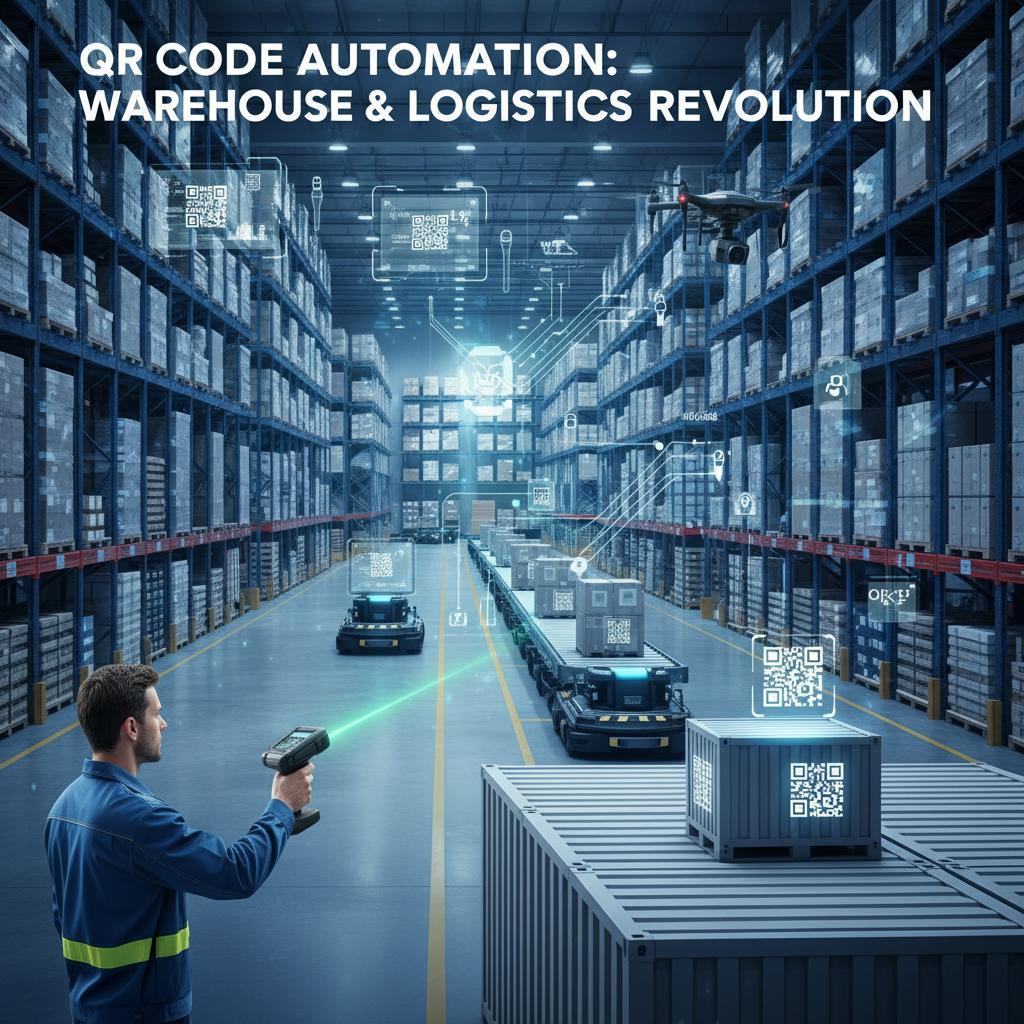
Warehouses are moving from paper and 1D barcodes to smarter, data-rich QR codes that act as digital transformation tools. By encoding multiple data points in a single symbol, QR codes in business reduce manual entry, speed up scans, and bridge operations with customer-facing experiences—fueling modern marketing strategies and real-time decision-making across the supply chain.
From 1D Barcodes to 2D Digital Identities
QR codes become especially powerful when aligned with the GS1 Digital Link standard, which turns product identifiers into web-addressable, structured data. Instead of siloed labels, a single code can route scanners and systems to the right product, batch, or content, creating a digital identity that works for inbound logistics, inventory control, and even consumer engagement after delivery.
One Scan, Many Data Points
With GS1 Application Identifiers, teams can capture GTIN, serial, batch/lot, and expiration in one scan, eliminating error-prone keystrokes. Microsoft’s enterprise guidance highlights this multi-field capture pattern for warehouse flows—see Microsoft Learn guidance on GS1 barcodes and QR codes in warehouse management—which directly improves receiving, putaway, picking, and cycle counting accuracy.
How QR Codes Streamline Warehouse Operations
In receiving, a single QR code on cartons or pallets can instantly populate SKU, lot, and quantity, while triggering quality checks when needed. In putaway, location-aware QR codes guide operators to the optimal bin; during replenishment, they verify both source and destination to prevent mispicks. For shipping, QR codes on SSCC-labeled pallets tie orders to carriers and tracking events, boosting speed and traceability.
Inventory Accuracy and Traceability
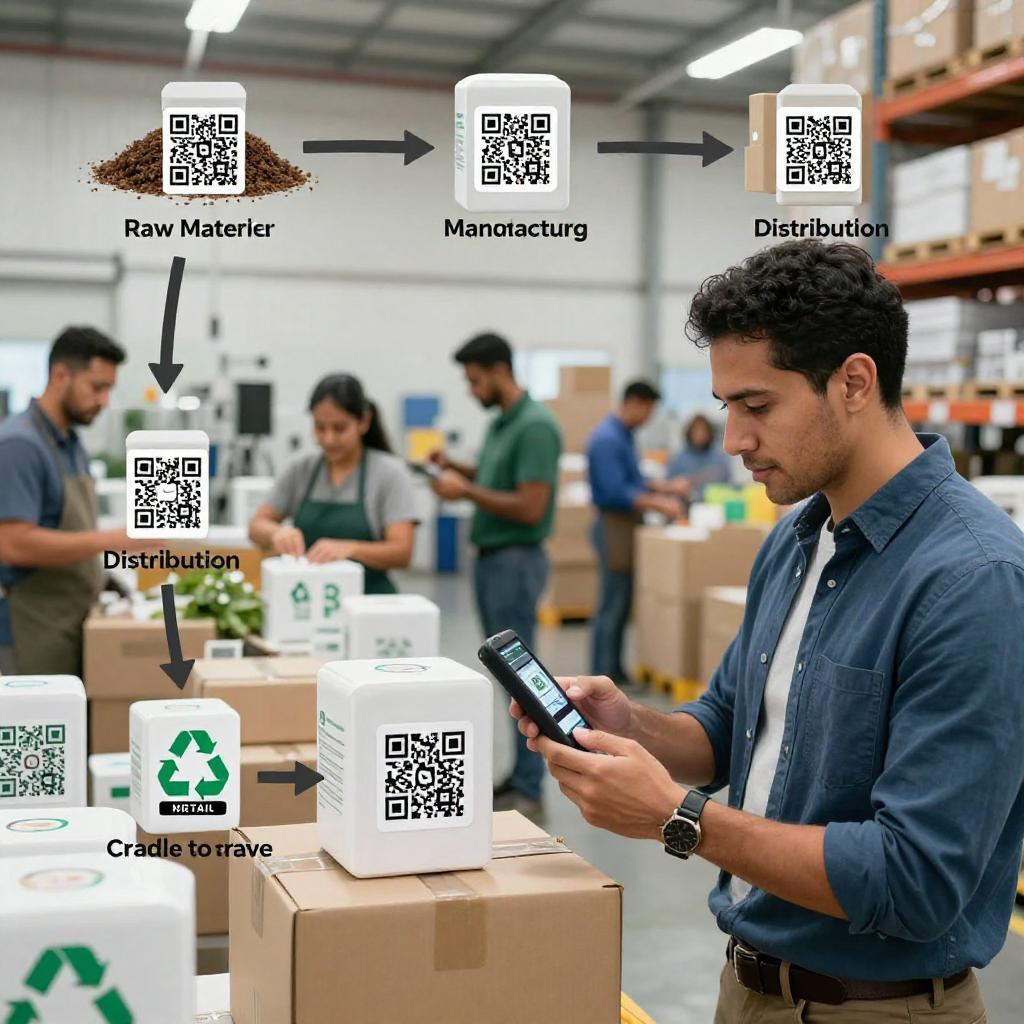
Standardized data is the engine behind accuracy. The GS1 Application Identifiers reference defines how to encode fields like batch/lot (AI 10), expiration (AI 17), and serial (AI 21) so any compliant system can parse them. That structure enables end-to-end traceability for recalls, FEFO picking, returns processing, and audit readiness without custom, brittle parsing rules.
Picking, Packing, and Cross-Docking
For high-velocity picking, QR-enabled cluster or wave picking reduces travel and confirmation taps. In packing, scanning a single QR on a tote or carton can confirm item assortment, add dangerous goods flags, and produce compliant labels. Cross-docking benefits from QR codes that link inbound ASN data to outbound orders, letting teams verify SKU, lot, and destination in seconds.
Change Management, Security, and ROI
Adoption hinges on reliable printing and scanning, clear label design, and frontline training. Start with pilot SKUs, measure first-scan success rate and touches per task, and expand in phases. Secure your QR ecosystem by validating data at the edge, restricting who can generate codes, and monitoring for duplication; the payoff often shows up as 20–40% faster transactions, fewer errors, and better customer experience that supports modern marketing strategies like post-purchase engagement and self-service product info.
Conclusion: A Small Code With Big Impact
QR codes unify critical product data, streamline warehouse tasks, and connect operations to customers—making them one of the most practical digital transformation tools available. Standardize on GS1, embed the right AIs, and orchestrate your WMS to consume rich data with one scan; you’ll improve throughput, accuracy, and traceability while unlocking new, data-driven value streams for QR codes in business.