Using QR Codes for Asset Tagging and Maintenance Records
Why QR Codes Are Becoming Essential for Asset Tagging
QR codes in business have moved beyond marketing gimmicks to become practical digital transformation tools for asset visibility, preventive maintenance, and audit readiness. Unlike traditional serial plates, scannable codes connect physical assets to live, structured data—location, service history, warranties, and compliance artifacts—so technicians and managers can make faster, better decisions. With low-cost printing, high scan reliability, and universal smartphone support, QR labeling scales from a handful of devices to enterprise-wide fleets without proprietary hardware.
Standards That Make QR Codes Enterprise-Ready
Interoperability matters when assets cross departments, facilities, and vendors. That’s why many organizations align with the GS1 system and ISO/IEC standards for encoding and data structure. The GS1 US overview of QR Codes explains how GS1 identifiers and data carriers enable consistent identification across systems, while the GS1 General Specifications provide the technical rules for data syntax, symbol size, and placement. Linking your asset program to these frameworks reduces ambiguity, improves scan success in the field, and future‑proofs integrations with EAM, CMMS, and ERP platforms. GS1 US overview of QR Codes | GS1 General Specifications
Building a Scalable QR-Based Maintenance Program
Data to Encode for Operations and Compliance
Plan the payload before you print. For regulated or serialized equipment, include stable keys (e.g., asset ID, serial) and link out to dynamic details (service intervals, parts lists, calibration certificates). Many teams adopt GS1 Application Identifiers or a GS1 Digital Link approach so a single QR can resolve to context-aware pages—maintenance records for technicians, safety info for operators, and documentation for auditors—without re‑labeling. This strategy reduces static data on the label while keeping the experience flexible. GS1 Digital Link approach
Workflow: From Scan to Work Order
Great labels are only half the story; the win is in the workflow. A scan should authenticate the user, resolve the asset profile, and offer one‑tap actions: log condition, attach a photo, start a PM checklist, or create a work order. Tie scans to location and time so you can auto‑populate tickets and verify route compliance. For offline sites, cache minimal profiles and queue updates. The result is higher wrench time, fewer transcription errors, and cleaner data for reliability analysis.
Choosing Materials and Placement for Durability
Industrial environments punish labels. Match material and adhesive to the use case: high‑temperature polyester for ovens, anodized aluminum plates for outdoor equipment, or chemical‑resistant laminates for wash‑down areas. Place codes where they’re protected but still scannable—avoid curved edges, heavy abrasion zones, and glare. Consult compliance marking and durability guidance to meet longevity and readability requirements across industries. Compliance marking and durability guidance
Security, Analytics, and Integration Considerations
Security and Authentication Layers
Because QR codes are visible, design for zero trust. Use short-lived, signed links or resolve scans through an authenticated gateway. Enforce role‑based access so technicians see maintenance actions while guests see limited info. For high-risk assets, pair QR codes with device certificates, SSO, or MFA, and log every scan as an event for audit trails. If tamper evidence matters, add tamper‑proof materials or secondary seals and monitor anomalies (e.g., a code scanned outside expected geofences).
Analytics That Drive Better Decisions
Every scan is a data point. Use it to tighten PM schedules, track mean time between failures, and measure first‑time fix rates. Analyze which sites scan most, which assets generate repeat calls, and where label placement hurts readability. Connect these insights to spare‑parts planning and technician training. Over time, you’ll shift from reactive repairs to predictive maintenance—and justify investments by tying QR program metrics to uptime and cost per asset.
From Operations to Brand Trust
Bridging Maintenance and Modern Marketing Strategies
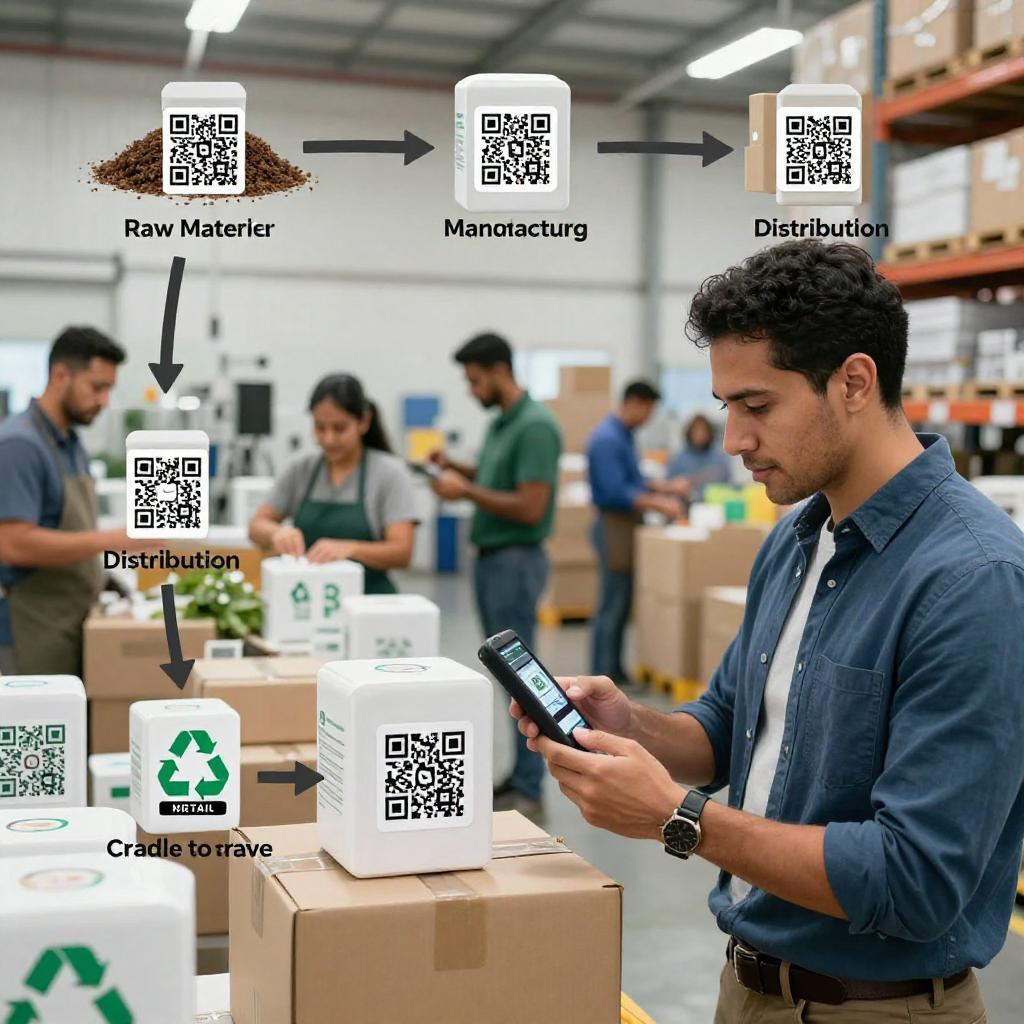
QR programs don’t just streamline maintenance—they support modern marketing strategies and customer trust. The same code that launches a technician’s checklist can surface owner manuals, sustainability claims, or provenance data for end users, reinforcing transparency while keeping your data model consistent. Treat QR labels as persistent, cross‑functional touchpoints: a practical backbone for operations today and a scalable foundation for tomorrow’s digital transformation tools. Start small, standardize early, and let real‑world scan data guide continuous improvement.