The Role of QR Codes in Modern Supply Chain Efficiency
QR codes in business have evolved from a marketing novelty into mission-critical digital transformation tools that streamline how products are identified, tracked, and authenticated from factory to customer. As supply chains face persistent pressure to do more with less, the humble square becomes a high-impact lever for efficiency—bridging physical goods with cloud data, compressing process times, and enabling modern marketing strategies without adding operational friction.
Why QR Codes Are the New Supply Chain Standard
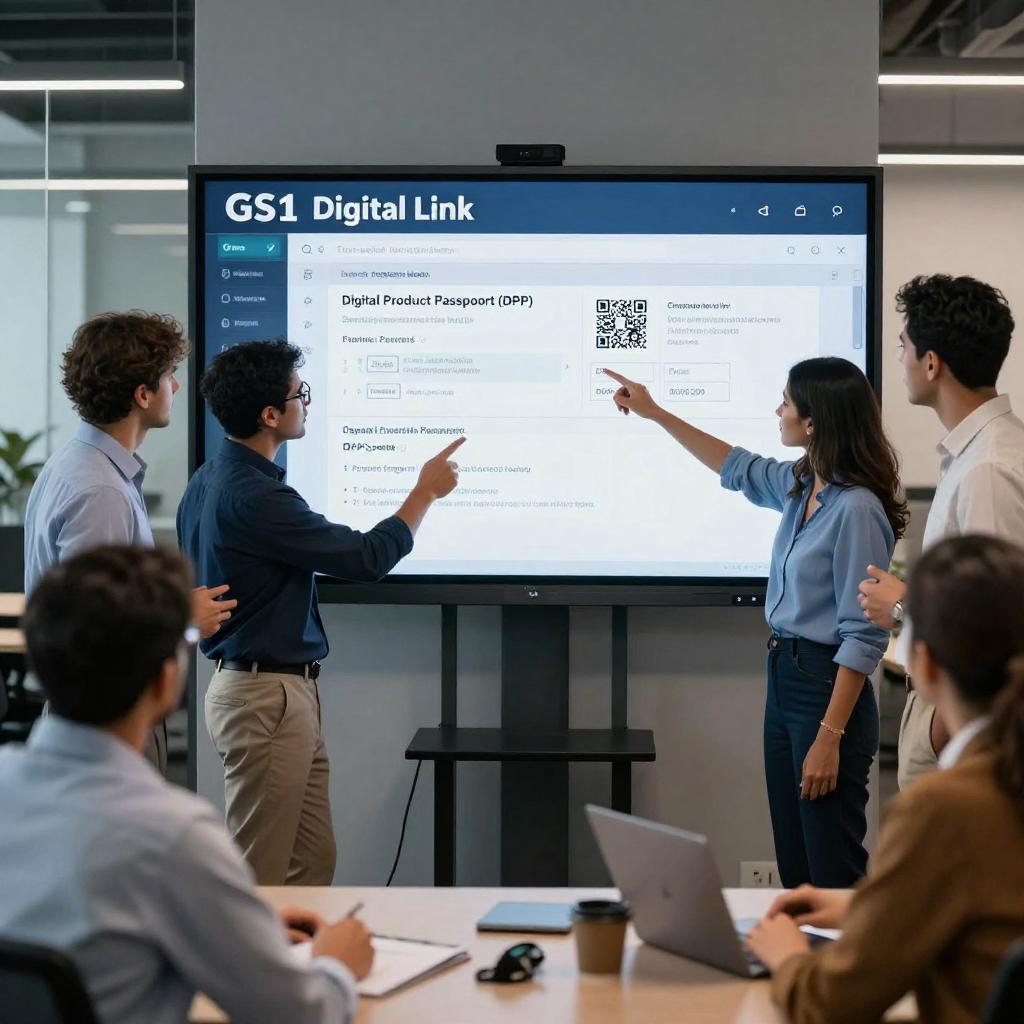
Standards-driven QR implementations, especially those based on the GS1 Digital Link standard, are transforming barcodes into web-connected product identities. By encoding globally unique identifiers and URLs, a single code can serve manufacturing, logistics, retail, and consumer experiences simultaneously—reducing label clutter, cutting scan errors, and ensuring the same data model flows across partners and platforms.
From static labels to intelligent product identities
Traditional barcodes carry limited, context-specific data; Digital Link QR codes make that identity “smart” by pointing to authoritative, up-to-date records in the cloud. With GS1 Digital Link for brands, one symbol can route warehouse staff to handling instructions, service teams to parts catalogs, and consumers to rich product content—all controlled centrally with role-based views to prevent data sprawl and inconsistencies.
Data density, error reduction, and speed at the edge
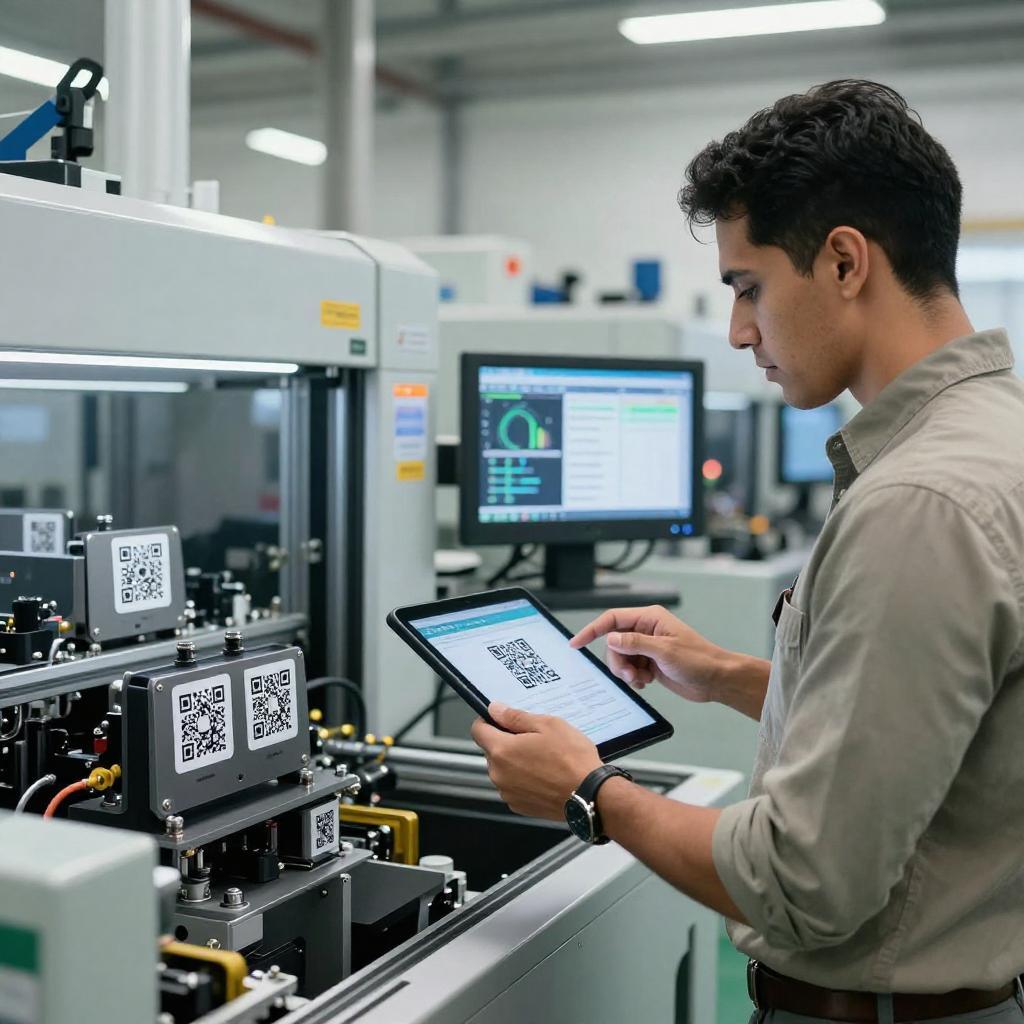
Compared with linear barcodes, QR codes encode more data in less space and are readable at faster angles and distances by commodity camera hardware. That translates into fewer rescans, better performance in harsh lighting, and lower capital costs. Combined with serialization and lot/batch data, they support granular traceability without overwhelming labels—an essential balance for fast-moving fulfillment and automated receiving.
Traceability, Compliance, and Risk Management
Closing the recordkeeping gap
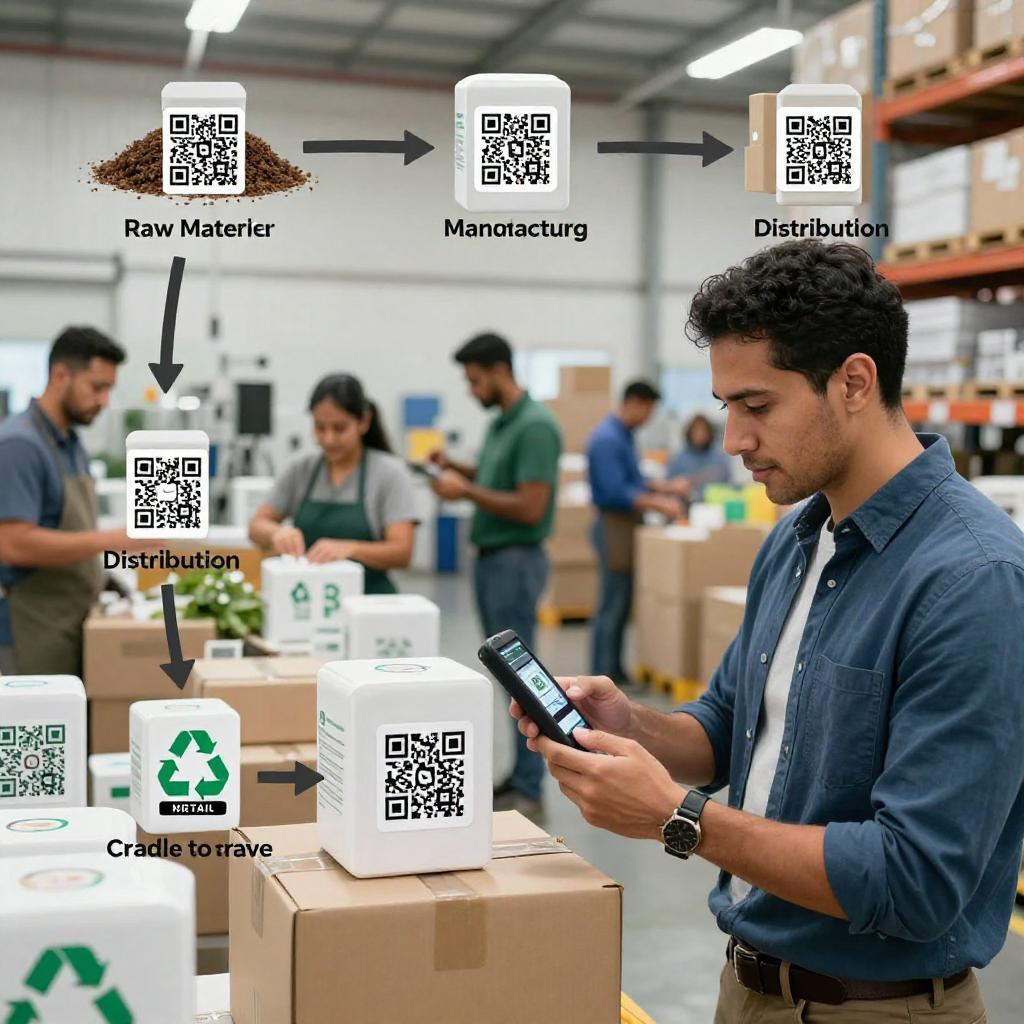
Regulatory pressure is accelerating adoption. In food and adjacent sectors, the FDA FSMA Rule 204 traceability requirements demand precise capture of critical tracking events. QR codes unlock practical compliance by linking each scan to authoritative records—who handled the product, when, and under what conditions—enabling faster recalls, targeted withdrawals, and proactive quality interventions.
Real-time visibility for planners and partners
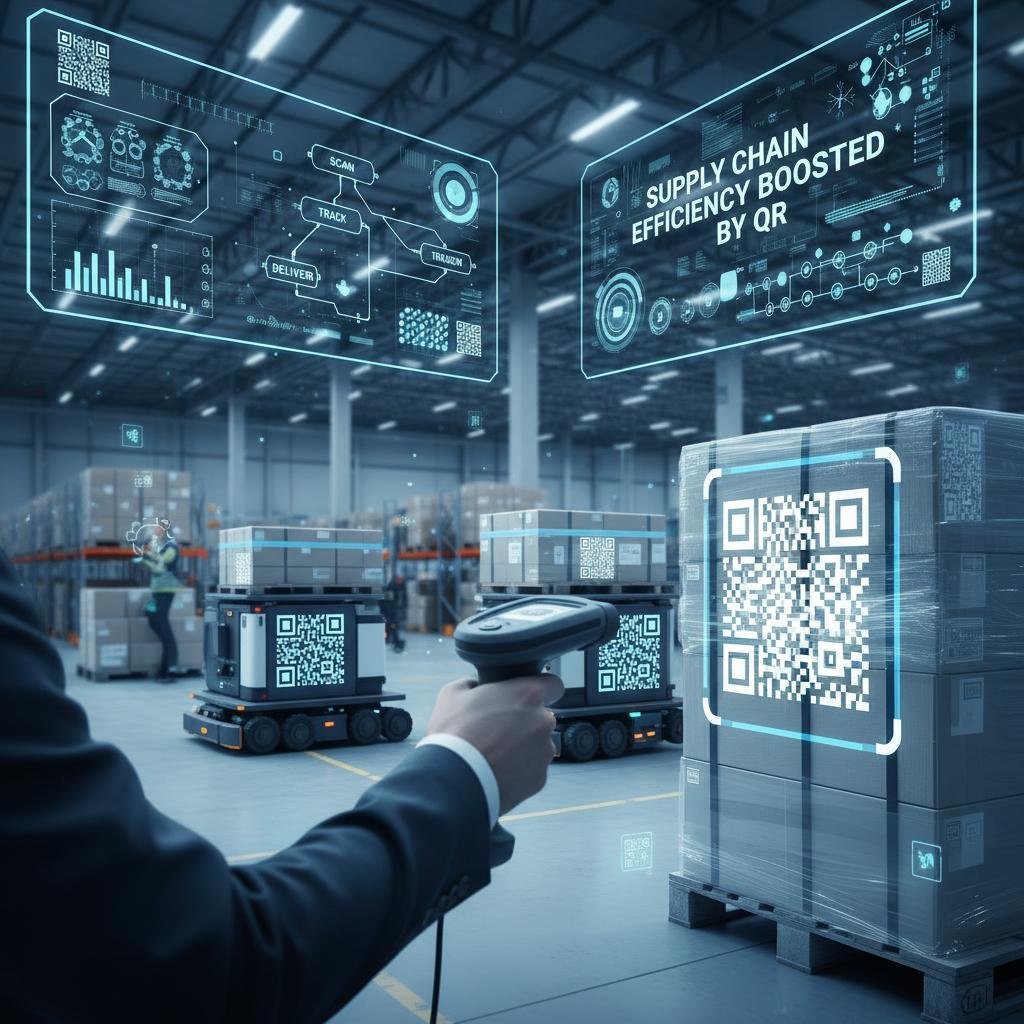
Beyond compliance, QR-enabled events feed live signals into WMS, TMS, and ERP systems to reduce buffer stocks and cycle times. The payoff is better ETA accuracy, fewer manual checks, and stronger supplier collaboration. When planning and customer service teams can trust scan-driven milestones, they spend less time reconciling spreadsheets and more time orchestrating exceptions that actually move the needle.
Unlocking Value Beyond the Warehouse
Marketing, service, and sustainability in one code
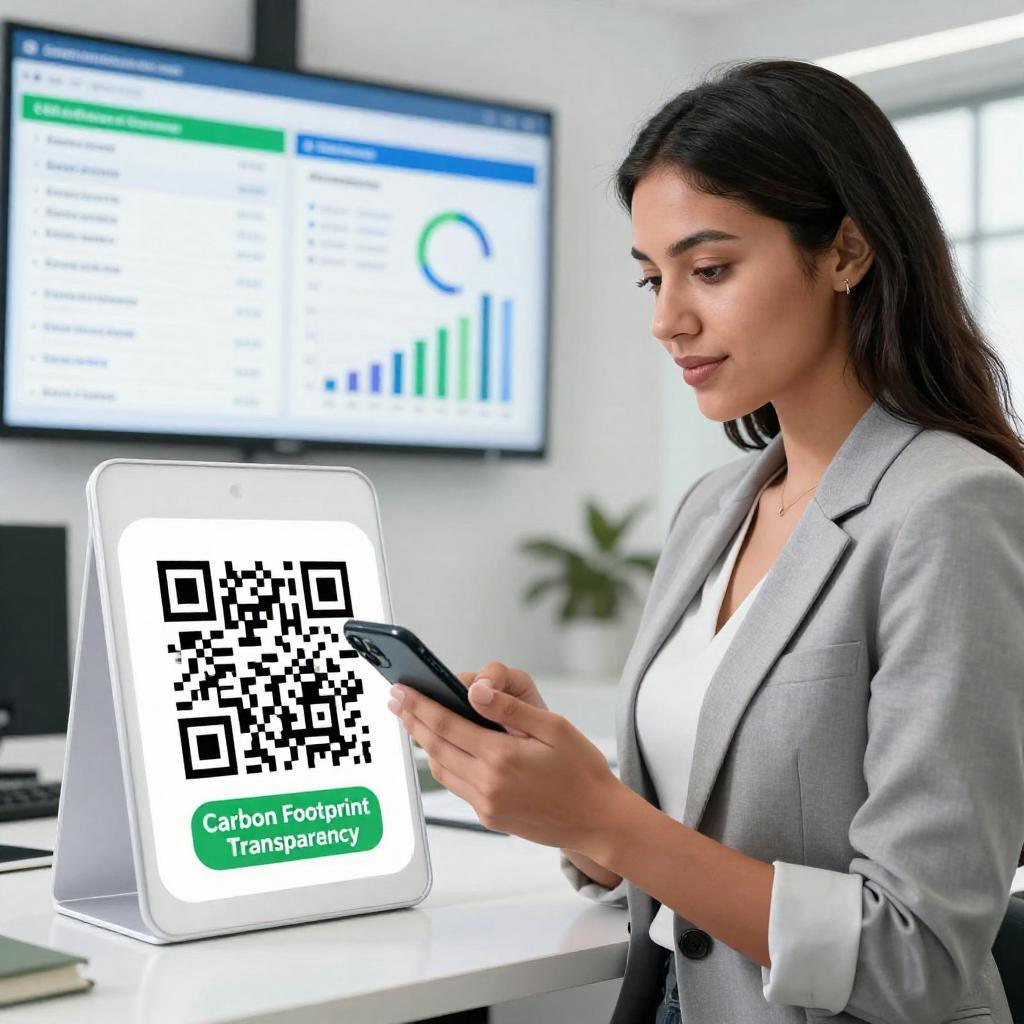
A single QR doubles as an operations enabler and a modern marketing strategy. The same code that drives traceability can deliver personalized instructions, warranty registration, and post-purchase experiences, capturing zero-party data with consent. It can also disclose sourcing details and repairability to support sustainability goals—turning compliance data into brand equity and measurable LTV lift.
Implementation playbook for operators
To realize these gains, start with a clear use-case map (receiving, in-process QC, ship confirmation, consumer engagement), then standardize identifiers with GS1 keys and Digital Link URLs, serialize where value is highest, and enforce print-and-verify quality at the line. Build lightweight governance for data ownership, analytics, and redirects; pilot on a narrow SKU set; then scale with training, SOP updates, and ROI dashboards that track scan accuracy, dwell time, and exception rates. The takeaway: QR codes, when aligned to standards and business goals, are small symbols with outsized impact—practical digital transformation tools that compound efficiency today while future-proofing tomorrow’s supply chain and customer experience.