The Rise of Circular Fashion: QR Codes for Product Resale and Repair
Why Circular Fashion Is Accelerating
Fashion is shifting from take-make-waste to design-repair-resell, driven by regulation, margins under pressure, and customers demanding transparency. Policies like the EU Strategy for Sustainable and Circular Textiles are setting clear expectations for durability, recyclability, and product data access. For brands, this is not just compliance; it is a chance to unlock lifetime value by keeping garments in use longer with credible, data-backed services.
From Linear to Circular Value Creation
In a linear model, most value ends at point of sale; in a circular model, value compounds through care, repair, and second-life resale. When a product carries trusted, scannable information, it becomes easier to service, authenticate, and list, creating new profit pools without new raw materials. Done right, circularity also de-risks supply chains and strengthens brand equity through proof, not promises.
QR Codes as the Bridge to Resale and Repair
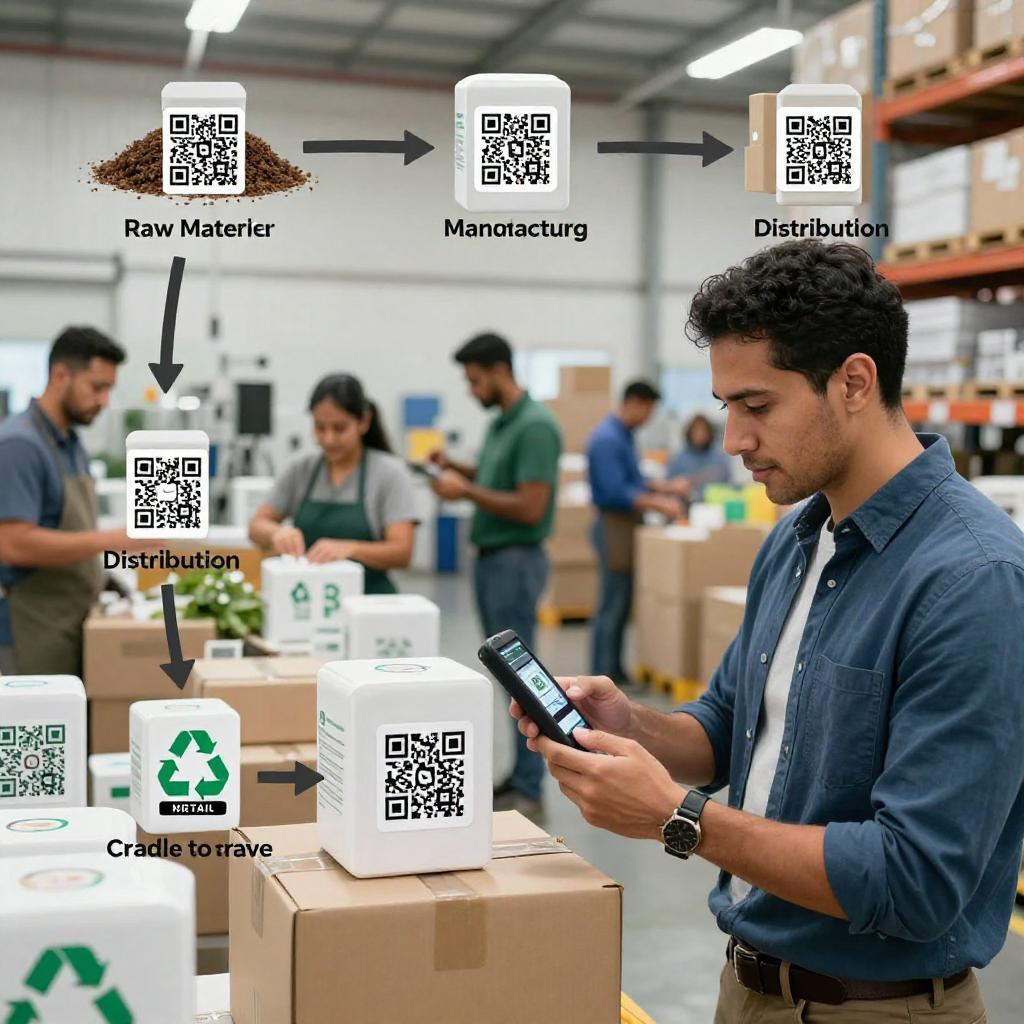
QR codes stitched into care labels or heat-pressed onto tags connect each item to a living record: materials, origin, care, and service history. Anchored to standards like the GS1 Digital Link and emerging Digital Product Passport (DPP) frameworks, they ensure that data is interoperable across retailers, recyclers, and platforms. The GS1 briefing on Digital Product Passports in apparel and textiles outlines how standardized identifiers and QR codes enable seamless scanning in stores, at home, and within aftercare networks.
What Data a Customer Scans
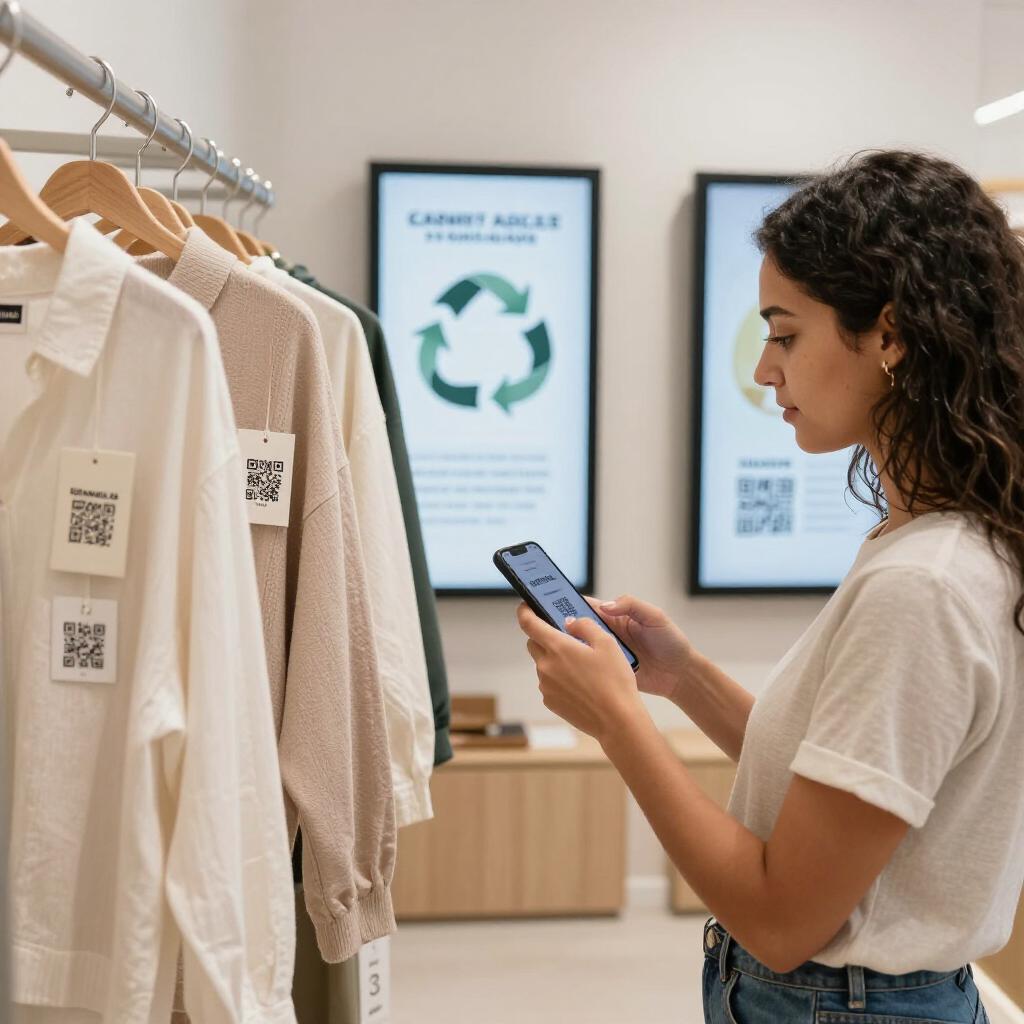
Scan-to-know experiences can surface verified fabric composition, care guidance, warranty status, repair tutorials, and nearby authorized repair partners. For pre-loved buyers, the code can prove authenticity, reveal prior repairs, and confirm that trims and dyes meet thresholds for recycling. This is a pragmatic example of QR codes in business, turning labels into digital transformation tools that reduce friction and service costs.
Resale Enablement at the Point of Use
When an owner is ready to resell, a QR scan can pre-fill listings with certified details, auto-generate condition checklists, and even suggest dynamic pricing based on demand and previous sales. Resale marketplaces can trust the data because it is persistent and standard-based, speeding throughput and improving recovery rates. For strategy teams, this is one of the most modern marketing strategies available: turning every owned item into a branded touchpoint for loyalty and trade-in, aligned with the Ellen MacArthur Foundation’s analysis of circular fashion trailblazers.
Building the Business Case and Roadmap
Start with high-velocity SKUs and categories with strong second-life demand (denim, outerwear, bags), where authentication and condition data materially affect resale value. Quantify ROI through reductions in customer service tickets, higher trade-in uptake, lift in full-price sell-through from care guidance, and margin on certified pre-owned. Regulatory readiness matters too—see the European Parliament study on the Digital Product Passport for scope, timelines, and data categories likely to be mandated.
Implementation Steps for Brands
Map your product data (BOMs, care, origin) and resolve IDs to GS1 standards; embed QR codes that link to a cloud record per item; and define a minimum viable DPP schema you can enrich over time. Stand up partner integrations for repair, recommerce, and returns so scans trigger real services, not just static pages. Equip customer care and store associates with the same scan view, and layer analytics to see which items get scanned, serviced, or resold—and why.
Risks, Governance, and Measurement
Guard against greenwashing by aligning claims to verifiable fields and third-party certifications, and build privacy-by-design so ownership transfers and service histories respect consent. Track KPIs that prove circular value: repair turnaround time, re-listing conversion, resale recovery rate, and lifetime CO2e avoided per SKU. The takeaway: QR-enabled product data is the connective tissue that turns circular intent into operational reality—allowing brands to scale repair and resale with trust, efficiency, and measurable impact.