The Environmental Benefits of QR Codes in Paperless Business
QR codes are no longer just a novelty on product packaging—they’re now essential digital transformation tools that help companies cut paper, lower costs, and unlock modern marketing strategies. By turning physical touchpoints into scan-led experiences, QR codes in business streamline how information is delivered, updated, and measured, all while contributing to tangible reductions in material use and operational emissions.
From Print-Heavy Processes to Scan-Led Journeys
Every time a brochure is reprinted to fix a typo or a menu is updated for seasonal changes, resources are consumed across the paper supply chain. QR codes replace this reprint cycle with dynamic, real-time content updates that live online. The environmental benefit is twofold: fewer printed assets and fewer shipments to distribute them. This is a practical, scalable path to paperless business operations that also improves version control and keeps customers consistently informed.
Replacing Print Collateral at Scale
Sales sheets, product manuals, event programs, and signage can be consolidated into a single QR destination that’s always current. For multi-location businesses, a centrally managed QR landing page eliminates waste from outdated materials and local reprints. The result is less paper, less ink, and fewer freight emissions—without sacrificing the depth of information your audiences need or the agility your teams require.
Digital Receipts and Invoices
Point-of-sale systems increasingly use QR codes to deliver e-receipts and invoices, replacing thermal paper (which often contains BPA/BPS coatings) and reducing office filing clutter. This aligns with EPA guidance on greener paper and electronic distribution, which encourages shifting from print to digital where feasible. For finance and operations teams, QR-enabled e-billing also speeds reconciliation and enables better audit trails—proof that sustainability can improve process efficiency.
Labels, Compliance, and Transparency
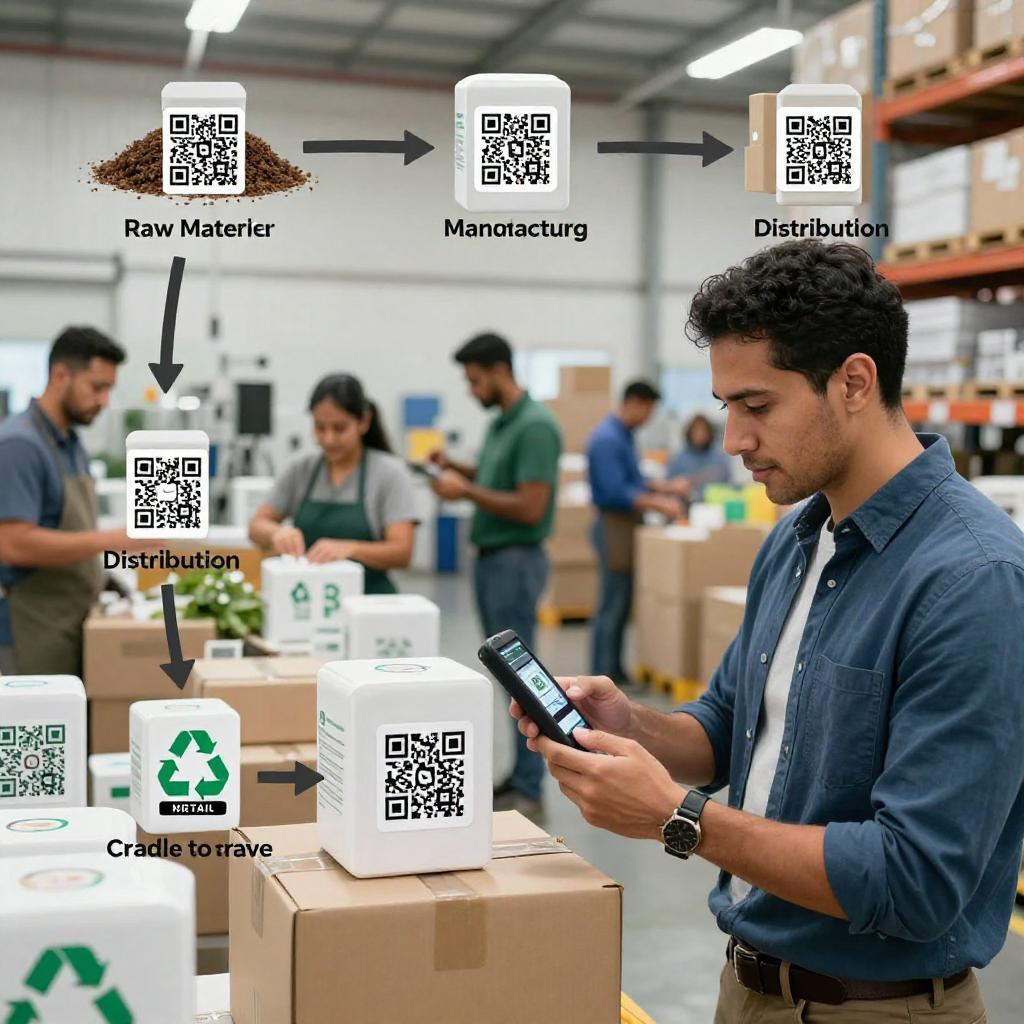
Packaging is a prime candidate for dematerialization. Rather than printing dense labels or supplemental leaflets, brands can use a QR code to provide ingredient disclosures, certifications, and extended product information. The approach mirrors the trend highlighted in the EPA white paper on digital labels and QR-linked product information, which notes the value of directing consumers to accurate, dynamic environmental and safety data—reducing paper while improving transparency.
Measurable Sustainability and Business Impact
Paperless isn’t just a slogan—it can be quantified. Organizations that set baselines (e.g., print runs per campaign, receipts per store, manuals per SKU) can track reductions after introducing QR codes in business workflows. Government programs demonstrate the potential: the EPA paperless office initiative documented meaningful cuts in paper usage, offering a benchmark for setting realistic internal targets. When combined with lifecycle considerations (paper sourcing, printing, distribution, end-of-life), the emissions and cost savings become part of a defensible sustainability story.
For marketing teams, QR codes also improve attribution and ROI. Scans provide anonymized engagement data, helping allocate spend to the channels that perform best. That feedback loop reduces speculative print volumes, trims overruns, and supports more precise demand planning—an operational win that dovetails with modern marketing strategies focused on agility and measurable outcomes.
Implementation matters: ensure strong contrast, adequate size, and placement where connectivity is reliable; offer short URLs as an accessible fallback; and keep destinations lightweight for quick loads on mobile. Public-sector rollouts are good templates—see Dawn’s report on QR-backed e-governance in Pakistan, where verifiable digital documents reduce paperwork while improving trust. Similar models help businesses authenticate warranties, verify training certifications, and digitize approvals without reams of paper.
Conclusion: Design for Digital, Print Only What Matters
QR codes are practical digital transformation tools that bridge physical and digital experiences—cutting paper, streamlining updates, and elevating customer journeys. By shifting disclosures, receipts, manuals, and marketing collateral to scan-led experiences, companies reduce waste and gain real-time insight into engagement. The takeaway is simple: design experiences to be scannable by default and print only when it adds clear value. That mindset delivers sustainability benefits and sharper performance—a smart alignment of environmental responsibility with modern marketing strategies.