Sustainable Packaging: QR Codes for Environmentally Conscious Brands
Why sustainable packaging is going smart with QR codes
Packaging is no longer just a container; it’s a canvas for transparency and a launchpad for modern marketing strategies. By placing scannable QR codes on boxes, sleeves, and labels, environmentally conscious brands can reveal material sourcing, carbon footprint, recycling instructions, and repair or refill options—right at the moment of need. These codes act as digital transformation tools, connecting physical products to living content that evolves over time, while powering compliant disclosures and value-adding post-purchase experiences.
From static labels to dynamic transparency
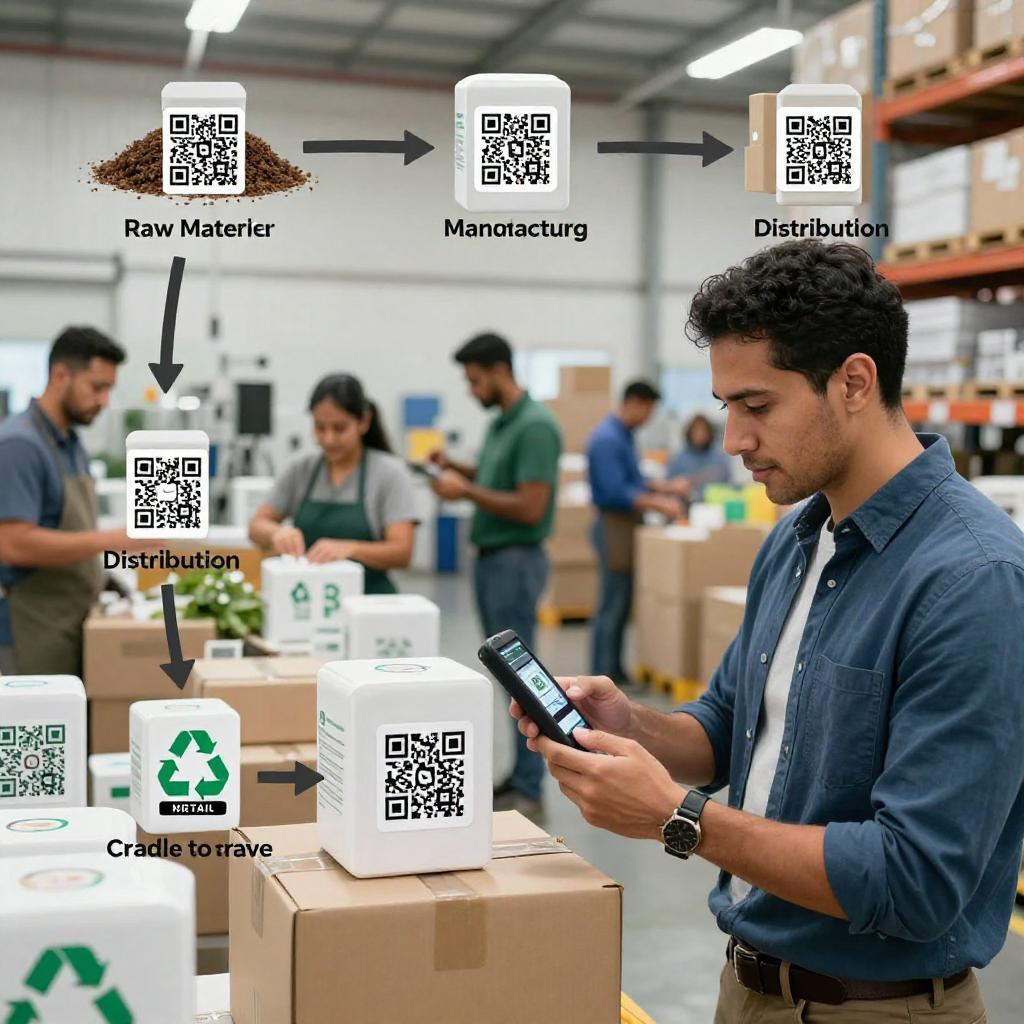
Traditional labels struggle to fit everything consumers and regulators want to know. QR-enabled connected packaging turns a tiny square into a dynamic doorway: brands can update content without reprinting, tailor guidance by region and language, and pivot messages from pre-purchase education to post-purchase care. This approach enables QR codes in business to support the entire lifecycle—assembly, usage, returns, repair, and recycling—while freeing precious packaging real estate and improving clarity for shoppers.
Regulatory tailwinds: Digital Product Passports under ESPR
Momentum is accelerating as policy shifts from static labeling to interoperable data. The European Commission’s Ecodesign for Sustainable Products Regulation (ESPR) introduces Digital Product Passports (DPPs) that standardize how product information is shared across supply chains and with consumers. Standards bodies are aligning implementation details; see GS1 Europe’s overview of Digital Product Passports for how identifiers and data models support this shift. Together, these frameworks make QR-linked transparency practical at scale and credible in the eyes of consumers.
Executing QR codes in business: a practical playbook
Winning teams treat connected packaging as a cross-functional program, not a one-off print job. Start by defining the customer journeys you want to enable (e.g., how-to guidance, refill locations, repair parts) and the compliance outcomes you must meet. Map content ownership, choose a CMS/PIM/PLM stack that can serve structured product data, and set governance for updates. Decide on per-SKU, batch, or serialized codes based on risk and value. Then lock in print specifications (contrast, placement, quiet zones, error correction) and test in real-world conditions to ensure durable scans across the product’s life.
Build on GS1 Digital Link and a clean product data model
To make QR codes futureproof, anchor them to a standards-based data model. GS1 Digital Link guidance for brands shows how to map GTINs and related identifiers to resolvable URLs, so one code can serve many experiences—consumer pages, sustainability data, warranty info, and more. This reduces vendor lock-in, supports DPP interoperability, and enables smart routing by device, locale, and lifecycle stage. A stable, canonical product URL also prevents orphaned or broken links when content evolves.
Modern marketing strategies that also cut waste
Connected packaging bridges sustainability and growth. With clear consent and value exchange, brands can turn scans into privacy-safe, first-party insights while delivering responsible experiences: eco-design tips, repair tutorials, spare parts ordering, local recycling rules, or trade-in programs. This aligns with the EU’s direction on product transparency; see the EU perspective on Digital Product Passports and transparency. The result: digital transformation tools that reduce printed inserts, cut service costs, and boost loyalty by helping customers extend product life.
Measure what matters, not just scan counts
Go beyond vanity metrics. Track reductions in printed materials, increases in correct recycling, repair or refill conversion rates, deflected support tickets, and repeat purchase or trade-in behaviors. Segment by geography, channel, and product family to uncover where guidance prevents waste or accelerates circular flows. Tie these outcomes to revenue and cost savings to demonstrate how QR-enabled connected packaging delivers both sustainability impact and commercial returns.
Roadmap and pitfalls to avoid
Avoid printing codes before content, governance, and redirects are in place—dead links erode trust fast. Localize sustainability claims, make accessibility a default, and ensure on-pack copy explains the value of scanning. Build a monitoring loop for 404s, device coverage, and scan friction. Start with a pilot on a high-velocity SKU, then scale in sprints as teams and suppliers learn. Done well, QR-connected packaging transforms every product into a transparent, serviceable, and circular channel—merging compliance, brand trust, and efficient growth into one clear takeaway: the smartest package is the one that keeps teaching long after it’s on the shelf.