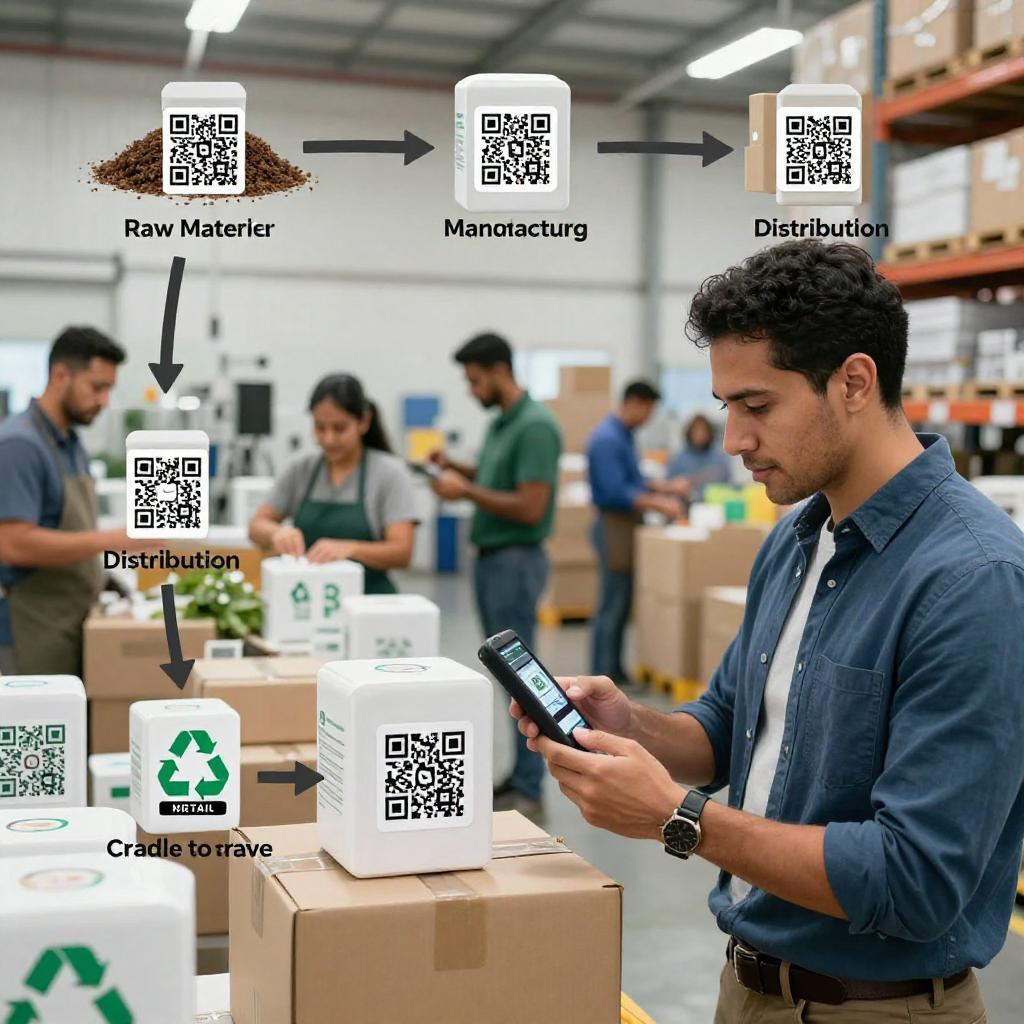
Streamlining Employee Training with QR Codes
Why QR Codes Fit the Modern L&D Tech Stack
QR codes have quietly become one of the most practical digital transformation tools for learning and development: low-cost, device-agnostic, and instantly scannable from the production floor to retail aisles. By connecting physical workflows to bite-sized digital content—SOPs, safety checklists, how-to videos, and job aids—QR codes in business reduce friction, shrink time-to-competency, and make training more context-aware than traditional LMS-only approaches. For organizations pursuing modern marketing strategies inside the enterprise (think internal campaigns and behavior nudges), QR codes offer an easy bridge between awareness and action.
What Makes QR Codes So Efficient for Training
Unlike static posters or binders, dynamic QR codes can be updated centrally without reprinting, ensuring employees always access the latest approved version. They support just-in-time microlearning at the moment of need, work across languages, and collect engagement data to refine content. From a budget standpoint, they’re inexpensive to deploy and scale, and from a change-management perspective, they meet employees where they already are—on mobile—dramatically improving access and completion rates.
High-Impact Use Cases Across the Employee Journey
Practical applications include onboarding tours with scannable stations, equipment training with embedded maintenance videos, compliance attestations at the point of work, and field-service guides accessible in low-connectivity environments. For ideation, explore 12 smart uses of QR codes for employee training and onboarding that illustrate how to move beyond one-off links to a cohesive learning ecosystem. The result is a cleaner content delivery pipeline that shortens ramp time and reinforces critical behaviors in the flow of work.
How to Deploy at Scale (Without the Chaos)
Start with a content audit: identify high-friction tasks and map where QR codes should appear (machines, badges, signage, packaging, or intranet pages). Choose a platform that supports dynamic codes, branded domains, role-based access, and analytics. Standardize naming conventions and UTM parameters for attribution, and integrate with your LMS/LXP for completion tracking or SSO-gated resources. For implementation guidance, see how to integrate QR codes into corporate learning programs to keep assets organized and measurable.
Design, Accessibility, and Compliance Standards
Good design prevents bad scans. Use adequate contrast, correct quiet zones, and size codes based on scanning distance. Provide text alternatives and short URLs near each code for accessibility and fallback. If you print codes on equipment or PPE, consider environmental factors (glare, abrasion, cleaning chemicals). For technical specifics, consult the government’s QR code standards and best practices from the U.S. Department of Energy to avoid common pitfalls and ensure reliable performance at scale.
Security, Trust, and Adoption
Treat QR codes like any other endpoint. Use domain whitelisting, custom branded domains, and preview pages to reduce spoofing risk. Gate sensitive content behind SSO, and manage mobile access via MDM. Publish clear guidelines so employees know what a legitimate code looks like and how to report suspicious codes. Adoption improves when leaders model usage, signage includes a clear value proposition (e.g., “Scan for a 60‑second checklist”), and codes consistently deliver fast, relevant results that make work easier.
Measuring Impact and Proving ROI
Define metrics before you launch: time-to-proficiency, first-time-right rates, incident reduction, audit findings, and completion/quiz pass rates. Use scan analytics to identify hotspots and content gaps, and A/B test microlearning formats (video vs. infographic) at the same touchpoint. For visibility into campaign performance and engagement, vendors outline how QR codes improve employee training programs and tracking, helping L&D teams tie scans to learning outcomes and operational KPIs that matter to the business.
Conclusion: A Small Code with Outsized Impact
QR codes are a deceptively simple lever for modernizing training: they connect real work to relevant learning, cut friction from content delivery, and make outcomes measurable. When governed well and aligned with business goals, they elevate QR codes in business from a tactical shortcut to a strategic capability—one that complements your LMS, advances digital transformation tools, and reinforces modern marketing strategies for employee engagement. Start small with a high-impact workflow, measure relentlessly, and scale what works.