QR Codes for YouTube Channels and Video Campaigns
Why QR Codes Belong in Video-First Funnels
From passive viewing to measurable action
QR codes are back as practical, ROI-friendly digital transformation tools, and nowhere do they shine more than alongside YouTube. They bridge the gap between lean-back viewing and lean-in action, turning brand moments into measurable outcomes—subscriptions, lead captures, app installs, and purchases. For leaders focused on QR codes in business and modern marketing strategies, the real win is attribution: a scannable prompt on screen cleanly connects upper-funnel attention to lower-funnel conversions without forcing users to remember URLs or hunt for links.
Where QR codes fit across YouTube
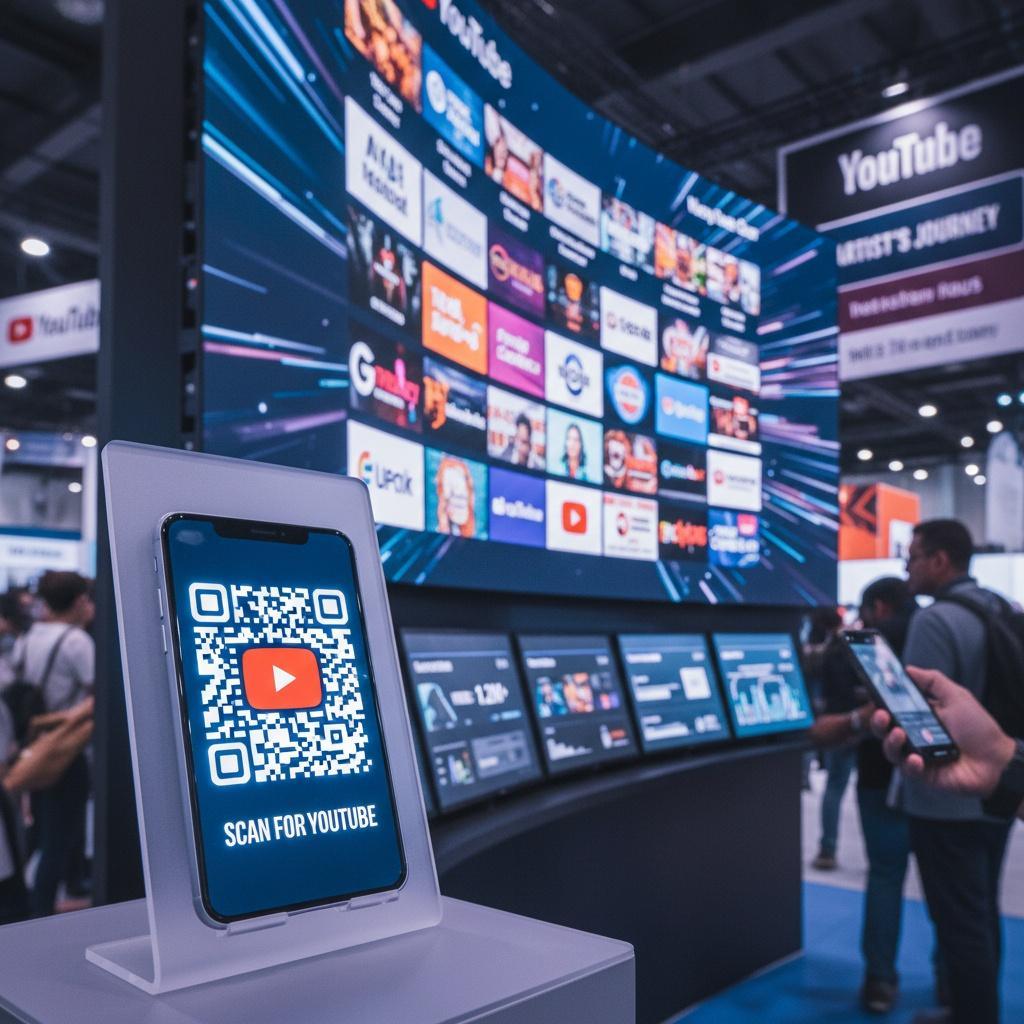
You can deploy QR codes across organic and paid YouTube surfaces—embedded within long-form videos, during hero moments in shorts compilations shown on connected TV (CTV), and in livestreams or sponsored content. For big-screen viewing, QR codes are especially effective because the phone is already in hand; align code placement with the narrative peak and add an on-screen nudge. For guidance on CTV and video formats, see these best practices for using QR codes in video and CTV advertising, which reinforce creative timing, code visibility, and clear calls to action.
Campaign Architecture That Converts
Link platforms and route traffic
First, connect your media stack. If you plan to run paid video or track campaign impact beyond organic reach, link your YouTube channel to Google Ads to unlock advanced reporting, audience building, and conversion lift options. Next, choose objectives and formats via YouTube Ads video campaign solutions—then map each creative to a mobile-optimized destination. Use dynamic QR codes with UTM parameters and deep links so you can swap destinations if offers change while preserving tracking and historical performance.
Creative and UX principles that boost scans
Design QR for the medium and the moment: ensure strong color contrast, a quiet zone around the code, and sufficient on-screen size for the expected viewing distance. Place the code away from lower-thirds and subtitles, and keep it visible for at least 5–7 seconds. Pair it with a specific CTA—“Scan to get the demo,” “Scan for the playbook,” or “Scan to subscribe”—and consider a progress bar or countdown to cue urgency. Add a vanity short URL as a fallback for viewers who can’t scan, and test scanability across TVs, laptops, and mobile screens before launch.
Measurement, Optimization, and Scale
Track, test, and attribute
Instrument your QR journey with UTMs and GA4 events to isolate “scan-sourced” sessions from other traffic. Benchmark view-through-to-scan rate, scan-to-landing bounce rate, and QR-assisted conversion rate, then A/B test CTA wording, dwell time, placement, and color treatments. Sequence your ads so discovery formats prompt curiosity and later exposures offer a stronger incentive. If you’re building brand-first to performance, this Google Ads tutorial on optimizing brand campaigns can help align creative with objectives while you monitor lift and incremental conversions attributable to QR.
Implementation playbook for your next sprint
Start small: define a single conversion goal; build a fast, mobile-first landing page; generate a dynamic QR with tagged links; embed it in a test video and a CTV-optimized cut; and set up GA4 events for scan, session start, and conversion. Link CRM or marketing automation to capture leads, and configure alerts for broken links or unusual bounce spikes. Pilot across two creatives and two placements, run for one to two weeks, and iterate based on scan density by timestamp and device. When you hit target scan and conversion thresholds, scale budget and expand to additional audiences or geo-regions.
Common pitfalls to avoid
Don’t make the code too small or low-contrast, don’t bury it under motion graphics, and don’t flash it too briefly to scan. Avoid sending scanners to a generic homepage—match landing intent to the on-screen promise. Watch for latency: slow pages kill scan momentum, so optimize Core Web Vitals. Finally, resist QR clutter; a single, well-timed code with a crisp offer outperforms a persistent watermark that viewers tune out.
The bottom line
QR codes transform YouTube from a pure awareness channel into an accountable growth engine. When treated as part of a cohesive funnel—creative, media, and analytics working in concert—they become simple, scalable digital transformation tools that convert attention into action. Build for scanability, instrument for truth, and iterate with intent, and your video strategy will graduate from views to verified business outcomes.