QR Code Tampering and Sticker Hijacking: Physical Security Risks
Why QR Codes Are Targets in Modern Marketing Strategies
QR codes have become a staple of modern marketing strategies and digital transformation tools, streamlining how customers access menus, pay, register, and learn. For many organizations, QR codes in business promise frictionless engagement and measurable conversion. Yet the very convenience that makes QR attractive also creates a low-cost attack surface: criminals can swap, overlay, or redirect codes in seconds—often without detection—turning physical touchpoints into entry points for fraud, data theft, and brand damage.
Sticker Hijacking: How Attackers Exploit Physical Surfaces
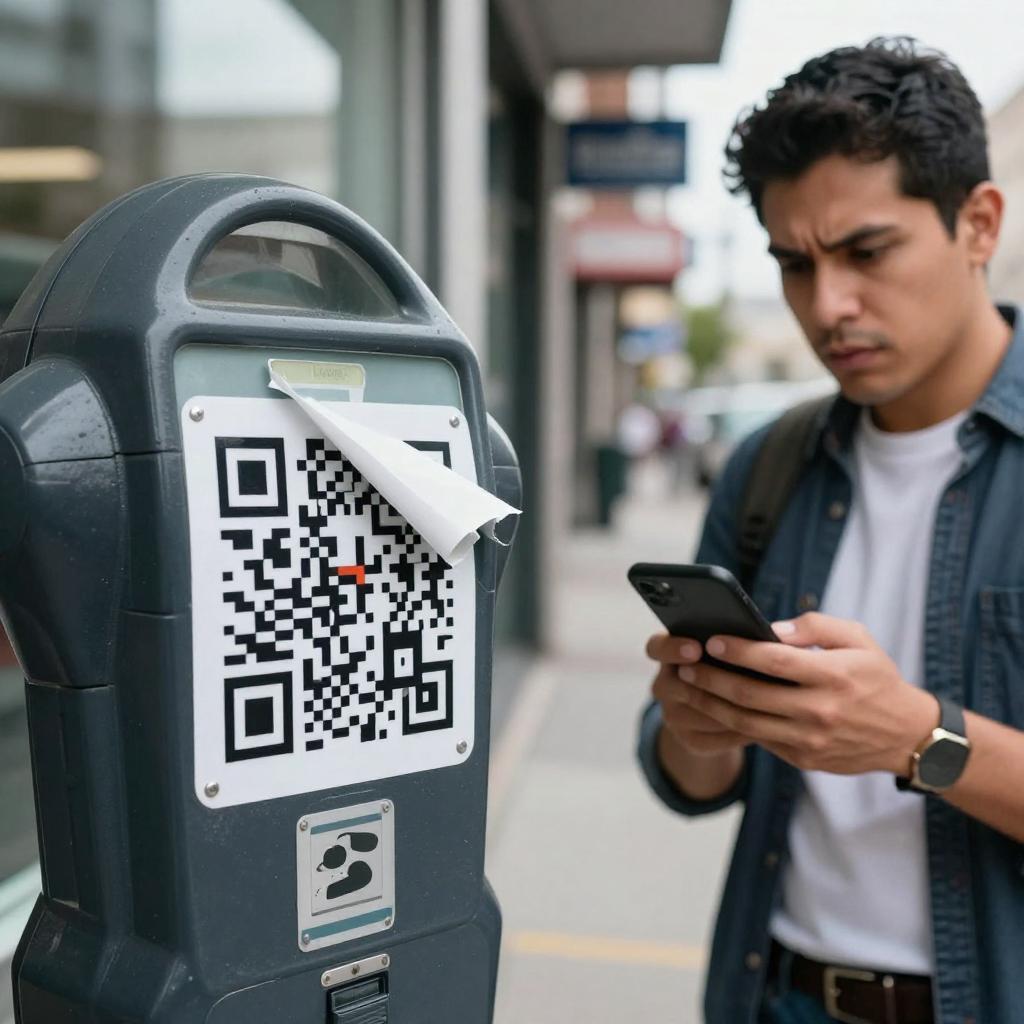
Sticker hijacking is deceptively simple: an attacker prints a malicious QR and places it over a legitimate one on posters, parking meters, event signage, or storefront decals. Unsuspecting users scan the code and are routed to spoofed payment pages, credential harvesters, or malware sites. Because the user expects a quick scan-and-go experience, they’re less likely to verify the URL, making this an effective blend of social engineering and physical tampering that bypasses traditional email and web filters.
Tamper-Proofing QR Codes in Business Operations
Reducing risk starts with treating each code like an asset. Use durable substrates, tamper-evident holographic overlays, microtext, or custom die-cuts that make overlays obvious. Prefer dynamic QR platforms with short-lived links, signed redirects, and granular analytics to detect anomalies. Enforce branded domains and strict URL allowlists, and print the destination domain in human-readable text alongside the code. Pair these physical controls with process: scheduled inspections, photo audits, and staff checklists for high-traffic locations.
Real-World Threat Landscape and Case Snapshots
Law enforcement has documented growing misuse of QR codes to divert payments and harvest credentials. The FBI Internet Crime Complaint Center describes how criminals replace or manipulate codes in public spaces to steer victims to fraudulent sites; see the FBI’s advisory, Cybercriminals Tampering with QR Codes to Steal Victim Funds. Common scenarios include altered pay-to-park signs, counterfeit donation posters, and invoice QR swaps that reroute funds to attacker-controlled accounts.
Quishing Tactics Moving from Digital to Physical
QR-based phishing (often called “quishing”) is no longer limited to emails. Threat actors have incorporated malicious QR codes into spearphishing campaigns and physical mailers, combining believable context with quick-scan urgency. For example, an IC3/CISA joint advisory details targeted operations leveraging QR codes to compromise corporate accounts; see the advisory on Kimsuky actors using malicious QR codes in spearphishing campaigns. The lesson for enterprises: security awareness must include scanning hygiene, URL verification, and an instinct to distrust unexpected codes.
Building a Resilient QR Code Program as Digital Transformation Tools
Establish a QR governance playbook: approved generators, branded short domains, pre-scan reputation checks, and link lifecycle policies. Integrate mobile device management to enforce browser URL previews and block risky domains. Instrument your codes with analytics to profile normal scan patterns; alert when geography, device mix, or time-of-day spikes deviate from baseline. Maintain an escalation path and tampering response SOP—remove, replace, and investigate. For threat intelligence and evolving tactics, bookmark the FBI IC3 Cybersecurity Advisories on malicious QR campaigns.
Bottom Line: Treat the QR as an Endpoint You Must Secure
QR codes may be printed, but they function like dynamic endpoints in your customer journey. When you combine tamper-evident materials, trusted domains, short-lived links, continuous monitoring, and staff training, you preserve the efficiency that QR codes bring to business while minimizing exposure. The takeaway is simple: if QR codes power your modern marketing strategies and customer experience, give them the same security rigor you apply to any other channel—because a single compromised sticker can undo the trust your brand works so hard to earn.