QR Code + Biometric Authentication: The Future of Secure Mobile Access
Why QR Codes + Biometrics Now
Market and UX drivers
Mobile-first customer journeys and password fatigue have converged to make QR codes plus device biometrics a pragmatic path to passwordless. Cameras are universal, scanning is familiar, and the tap-to-unlock experience reduces friction compared to one-time codes. For QR codes in business, this pairing bridges physical-to-digital touchpoints—posters, kiosks, packaging—into secure sessions that feel instantaneous, supporting digital transformation tools without retraining users or overhauling existing channels.
Risk landscape and trust primitives
Plain QR flows are vulnerable to code swapping, spoofed destinations, and session hijacking. Binding the scan to a cryptographic challenge that’s unlocked with a biometric match on the user’s device drastically raises the bar. Biometrics are not transmitted; they gate access to a private key that signs the challenge, aligning with guidance such as the NIST SP 800-63B Digital Identity Guidelines on phishing resistance and verifier compromise reduction. The result is a user-friendly, high-assurance handshake suitable for workforce and consumer experiences alike.
How the Pattern Works
Cryptographic flow overview
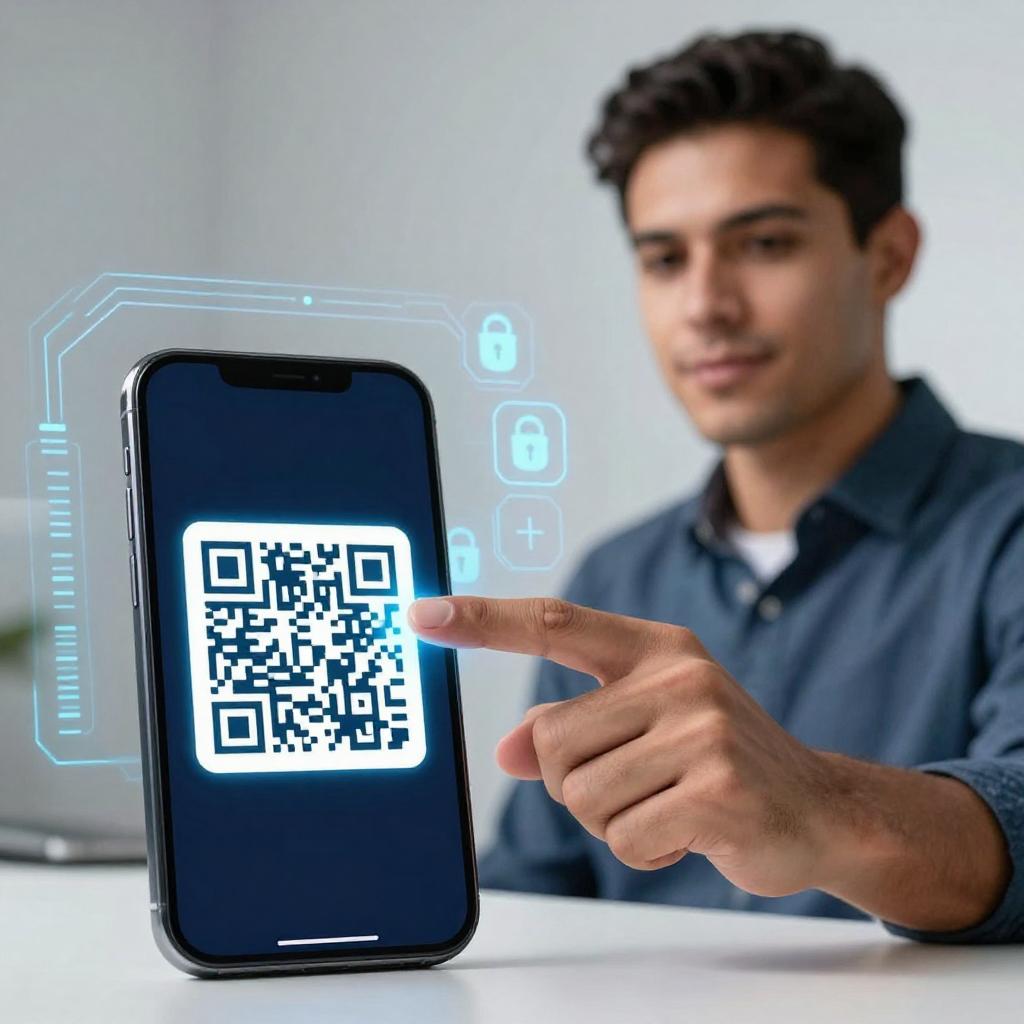
In a typical flow, a service displays a single-use QR challenge. The user’s phone scans it, the mobile app verifies the payload and origin, and the device prompts for Face/Touch unlock. The private key (stored in secure hardware) signs the challenge, and the signature is validated by the service to bind the user, device, and session. Short time-to-live windows, origin binding, and out-of-band verification (what you see on the phone matches what’s on the screen) frustrate relay and man-in-the-middle attempts while keeping the experience fast and intuitive.
Standards and platform support
Enterprise-ready options are maturing quickly. The OASIS Secure QR Code Authentication (SQRAP) specification describes interoperable patterns for QR-based challenge–response. Major identity platforms are shipping this capability; see the Microsoft Entra QR code sign-in method for a production example. Under the hood, device biometrics typically unlock FIDO/WebAuthn-style keys, mapping cleanly to stronger assurance levels consistent with the NIST SP 800-63B Digital Identity Guidelines.
Business Value and Use Cases
Workforce and physical access
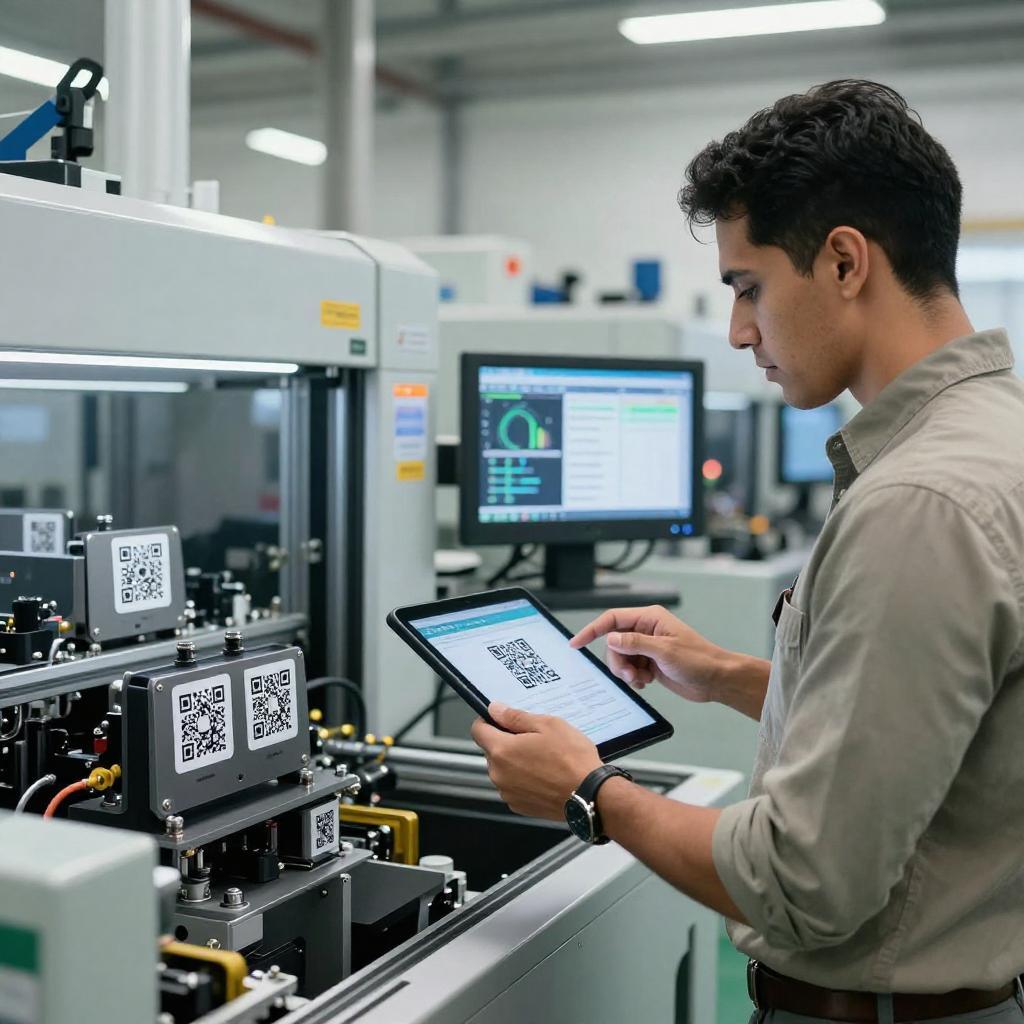
For employees, QR + biometrics simplifies sign-in at shared devices, kiosks, and meeting rooms, enabling zero-trust access without keyboards or passwords. Physical security teams can pair entry QR codes with biometric unlock on the phone for visitor check-in, turnstiles, and gated areas—no plastic badges to print, minimal helpdesk load, and strong auditability. The ROI shows up as fewer lockouts, faster throughput, and reduced credential theft, all while improving compliance posture.
Consumer journeys and modern marketing strategies
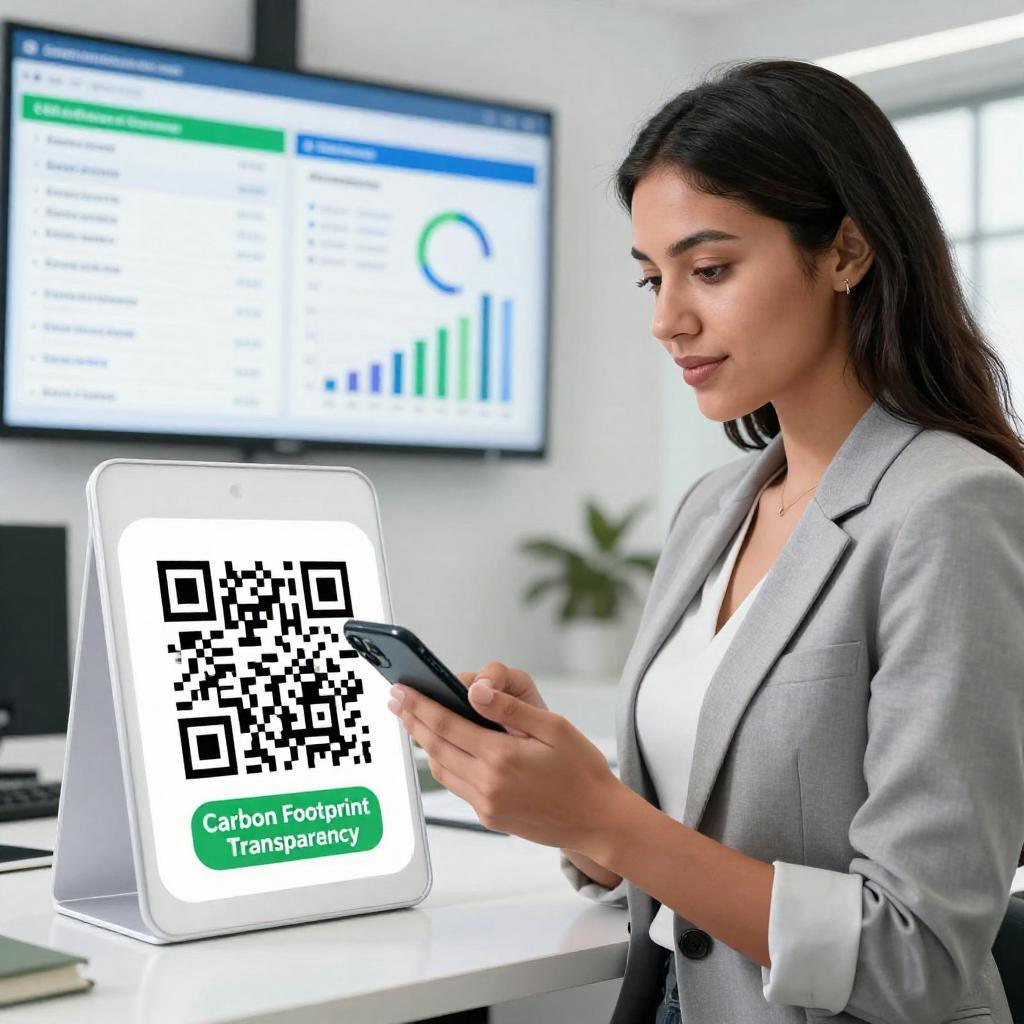
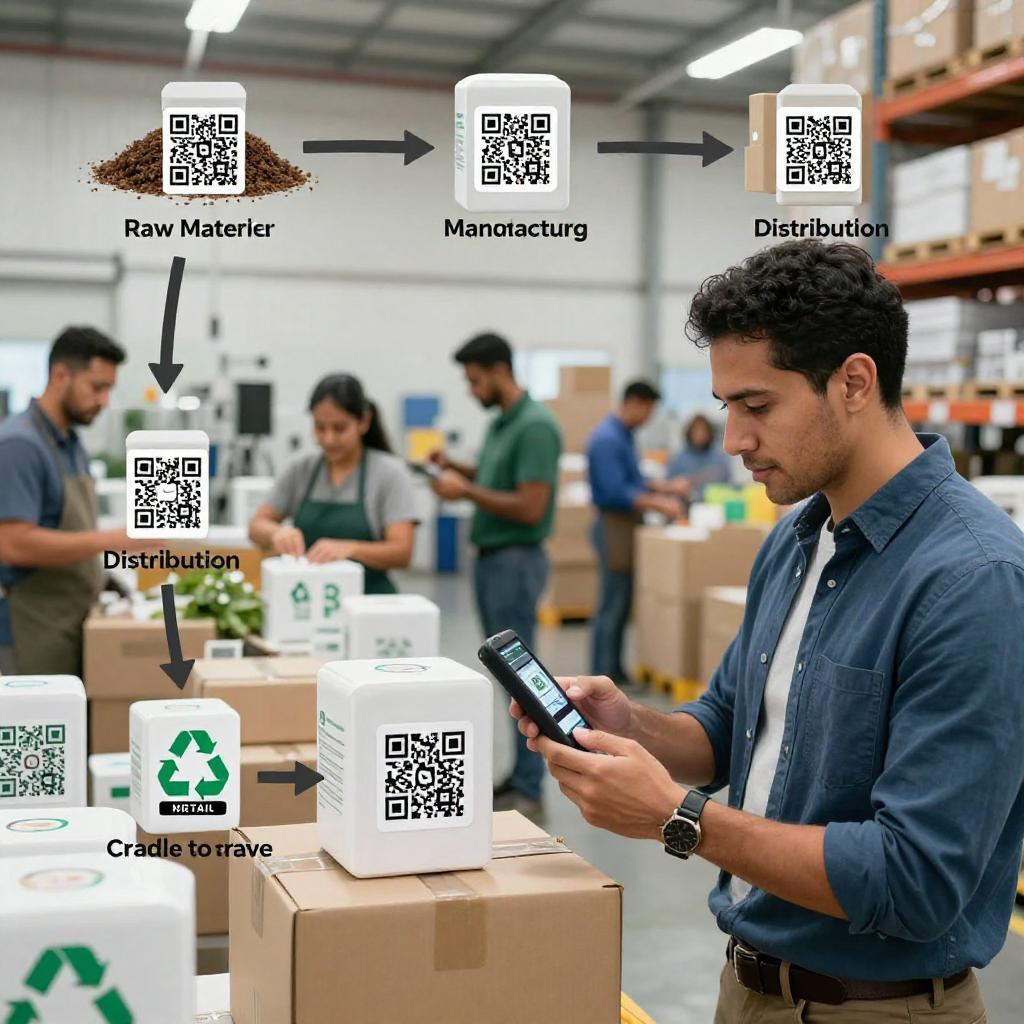
On the customer side, this pattern powers secure scan-to-sign-in from receipts, packaging, or in-store displays, sustaining modern marketing strategies that convert offline interest into authenticated engagement. Loyalty, warranty, and support portals can shift from passwords to on-the-spot, secure re-auth using the user’s device. As digital transformation tools, these flows also streamline consent capture, progressive profiling, and post-purchase onboarding—raising conversion while cutting abandonment tied to cumbersome login steps.
Security Pitfalls and Governance
Threats and mitigations
Key risks include malicious stickers placed over legitimate codes, QR phishing that redirects to impostor domains, and session fixation or relay. Mitigations include signing QR payloads with server keys, binding challenges to origins and device attestation, limiting TTLs, displaying user-verifiable context (location, device, transaction details), and enforcing anti-phishing policies. For a succinct overview of QR-specific threats and hygiene, consult the Canadian Centre for Cyber Security guidance on QR code risks, and operationalize controls through your identity platform’s risk engine.
Conclusion
QR code + biometric authentication turns everyday scans into high-assurance, low-friction access—precisely what organizations need to secure hybrid work and elevate customer experiences. By anchoring flows to standards (such as the OASIS SQRAP) and enterprise implementations like the Microsoft Entra QR code sign-in method, leaders can deploy scalable, phishing-resistant authentication that advances QR codes in business, supports digital transformation tools, and fuels modern marketing strategies—without sacrificing security or usability.