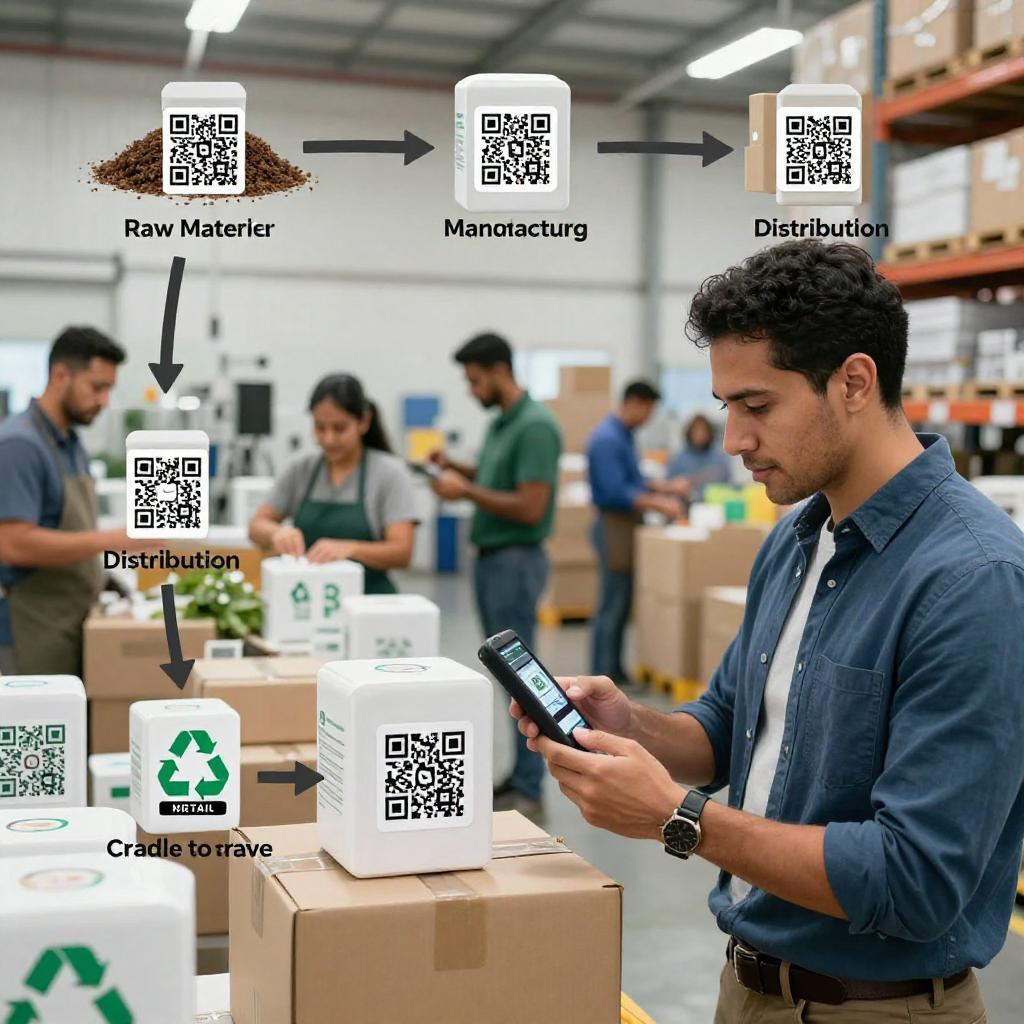
Product Lifecycle Tracking: QR Codes from Cradle to Grave
Why Lifecycle QR Codes Are Now Core to Digital Transformation
From the factory floor to refurbishment and recycling, QR codes in business are becoming the connective tissue of product data. As regulations tighten, customers demand transparency, and operations push for traceability, a single scannable identity unlocks end-to-end visibility. Think of it as a living product record that powers digital transformation tools across manufacturing, logistics, service, and modern marketing strategies—without adding complexity for the user who simply scans.
Standards-First Identity with GS1 Digital Link
True cradle-to-grave tracking starts with global identifiers and interoperable standards. By encoding GTINs and related attributes in a standards-based URL, the GS1 Digital Link framework for brands lets each scan resolve to the right content for that product, market, and moment. This keeps you out of proprietary dead ends, supports serialization at scale, and future-proofs your roadmap as you add new data points—like batch, lot, or sustainability attributes—over time.
Operational Visibility Across the Supply Chain
When every handoff is a scan event, the supply chain becomes searchable. The same code that identifies a product on-pack can feed WMS, TMS, and MES checkpoints, binding together provenance, quality control, and recall readiness. This reduces friction for partners while creating a high-integrity audit trail. The payoff is practical: fewer blind spots, faster exception handling, and cleaner data to analyze dwell times, shrink, and first-pass yield—insights that directly drive cost and risk down.
From Packaging to People: Engagement and Service
Modern Marketing Powered by a Single On‑Pack Code
A single, standards-based QR on packaging can route consumers to localized, personalized experiences—recipes, how‑to guides, promotions, or authenticated product details—without reprinting labels. Dynamic routing supports A/B testing, seasonal campaigns, and post-purchase journeys that lift LTV. For teams new to the technology, the GS1 overview of QR codes and how they work is a clear primer to align marketing, IT, and packaging ops on the fundamentals.
After‑Sales, Warranty, and Maintenance Made Simple
A lifecycle QR becomes the customer’s fastest path to support—proof of purchase, warranty terms, parts catalogs, and service bulletins tailored to the exact model and serial. Field technicians can scan to log maintenance, installers can register assets on-site, and resale buyers can validate authenticity. The result is fewer inbound tickets, richer product telemetry, and a virtuous feedback loop that improves both customer experience and product design.
Designing for Circularity and Compliance
End‑of‑Life, Returns, and the Digital Product Passport Era
As circularity moves from aspiration to expectation, the same code can surface repair instructions, material composition, and recycling options—crucial for emerging Digital Product Passport requirements. A standards-led approach eases compliance and partner integration; the GS1 Digital Link Implementation Guide details how to structure identifiers, metadata, and resolvers so downstream handlers—from repair shops to recyclers—can access the right data reliably.
Implementation Blueprint: Start Small, Scale Smart
Launch a 90‑day pilot with a single product family and clear KPIs (e.g., scan-through rate, NPS shift, recall readiness). Decide on serialization scope, map your product data model, and select a resolver that won’t lock you in. Prioritize print quality and error correction, plan for offline fallbacks, and establish data governance for who can publish or change linked content. Invest in change management early—train operations, empower service teams, and align marketing cadences to avoid fragmented experiences.
Measuring ROI Across the Product Lifecycle
The business case compounds across functions: fewer counterfeits and returns, faster recalls, lower service costs, higher conversion from modern marketing strategies, and better ESG reporting. Treat lifecycle QR codes as a strategic asset—one standard, one code, many outcomes—and the gains extend from margin protection to brand trust. The takeaway: embed QR-enabled identity at the product’s start, and you’ll capture value at every stage until its sustainable end.