Pharmaceutical Track-and-Trace: QR Codes for Counterfeit Prevention
Why Counterfeit Prevention Needs a Digital Upgrade
Counterfeit and falsified medicines erode patient trust, harm outcomes, and drain revenue from legitimate manufacturers. The World Health Organization’s fact sheet on substandard and falsified medical products highlights the breadth of the challenge and the need for coordinated, data-driven responses. That is why QR-enabled track-and-trace is no longer optional—it’s a practical application of digital transformation tools that ties packaging, data, and real-world verification together at scale.
The Strategic Role of QR Codes in Business
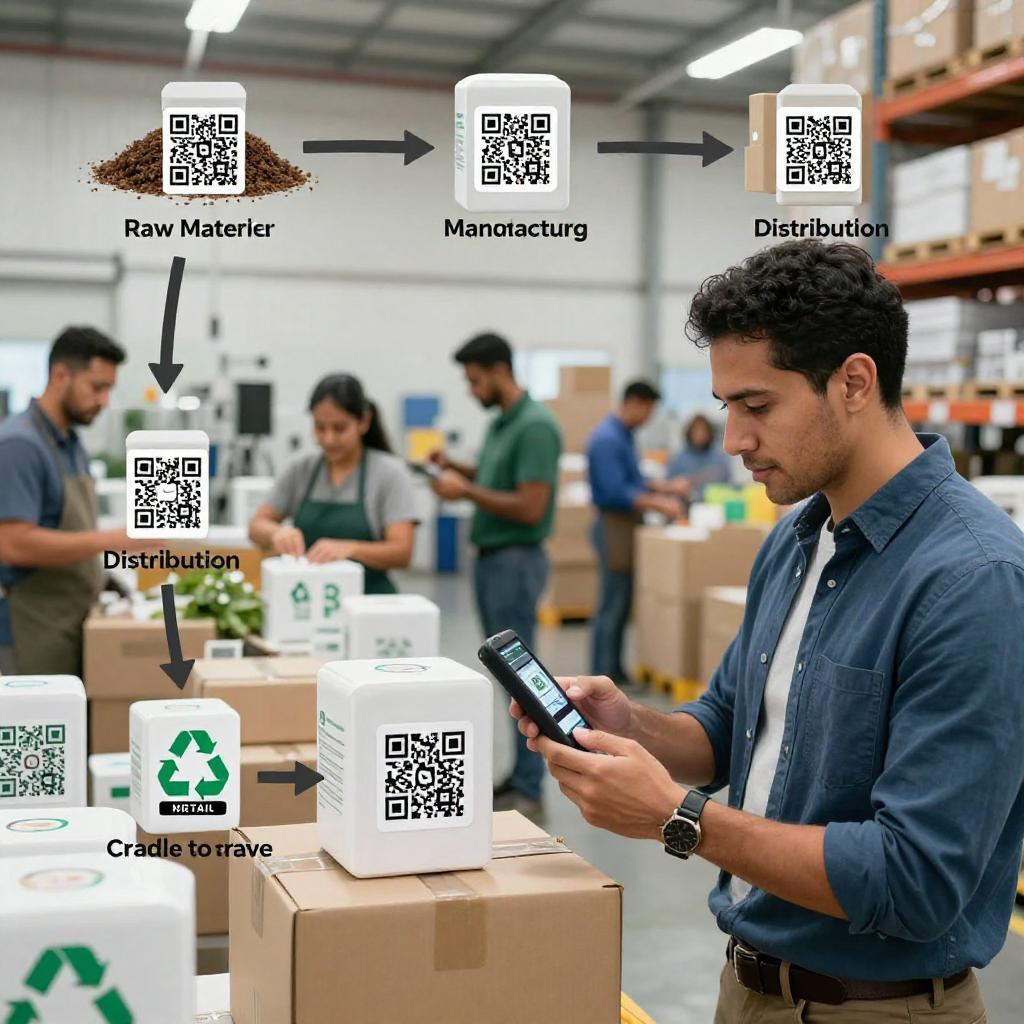
QR codes in business transform every package into a digitally verifiable asset, linking unique serial numbers to a secure record that distributors, pharmacists, and patients can check in seconds. Beyond compliance, a single scan can also deliver usage guidance, language localization, and recall notices—all of which align with modern marketing strategies that prioritize personalized, post-sale engagement. The result is a blend of safety and service that strengthens loyalty while shrinking counterfeit opportunities.
From Linear Barcodes to 2D Data Carriers
Traditional linear barcodes can’t carry enough information for end-to-end traceability. 2D carriers like QR or GS1 DataMatrix can encode the product identifier, serial number, lot, and expiry in a compact symbol that scans reliably across manufacturing lines and retail counters. In the EU, the EMA overview of the Falsified Medicines Directive safety features clarifies how safety seals and unique identifiers work together to block falsified products from reaching patients—a blueprint many markets now echo.
Global Regulations Driving Track-and-Trace
Regulatory momentum is unmistakable: the EU’s Falsified Medicines Directive (FMD) has matured enforcement, while the U.S. DSCSA continues its phased push toward interoperable, serialized traceability at the package level. For a global perspective on why these controls matter across complex supply chains, the WHO health topic on falsified medical products outlines risk drivers and the multilayered safeguards needed—from surveillance to authentication at the last mile.
Designing a QR-Enabled Supply Chain
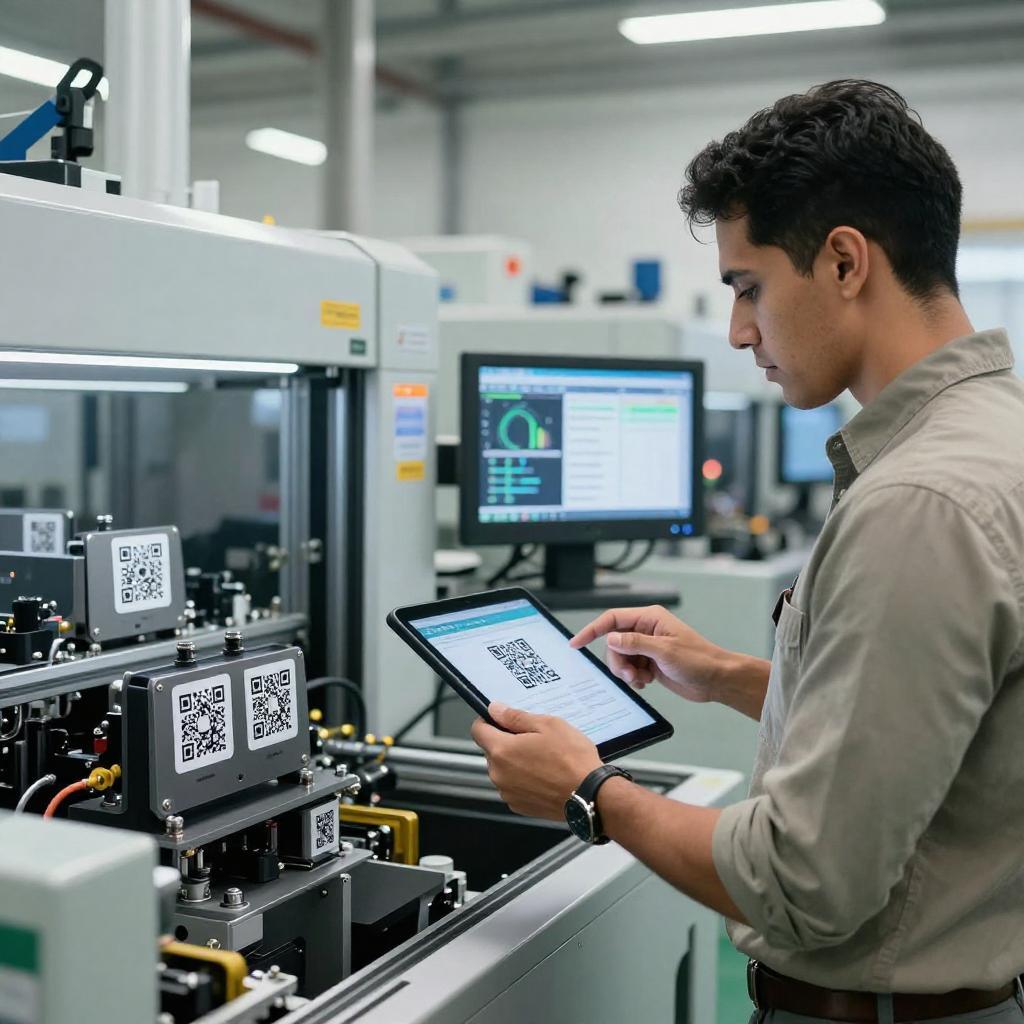
Successful rollouts start with serialization strategy (GTIN + unique serial), robust label design and print validation, and scanners tuned for 2D symbologies. They depend on master data quality, event capture across custody handoffs, and secure APIs to integrate enterprise systems and national repositories. Treat QR implementation as a product in its own right—with governance, cybersecurity, and lifecycle testing—so your digital transformation tools deliver reliable, audit-ready data in real time.
Patient-Centric Verification and Engagement
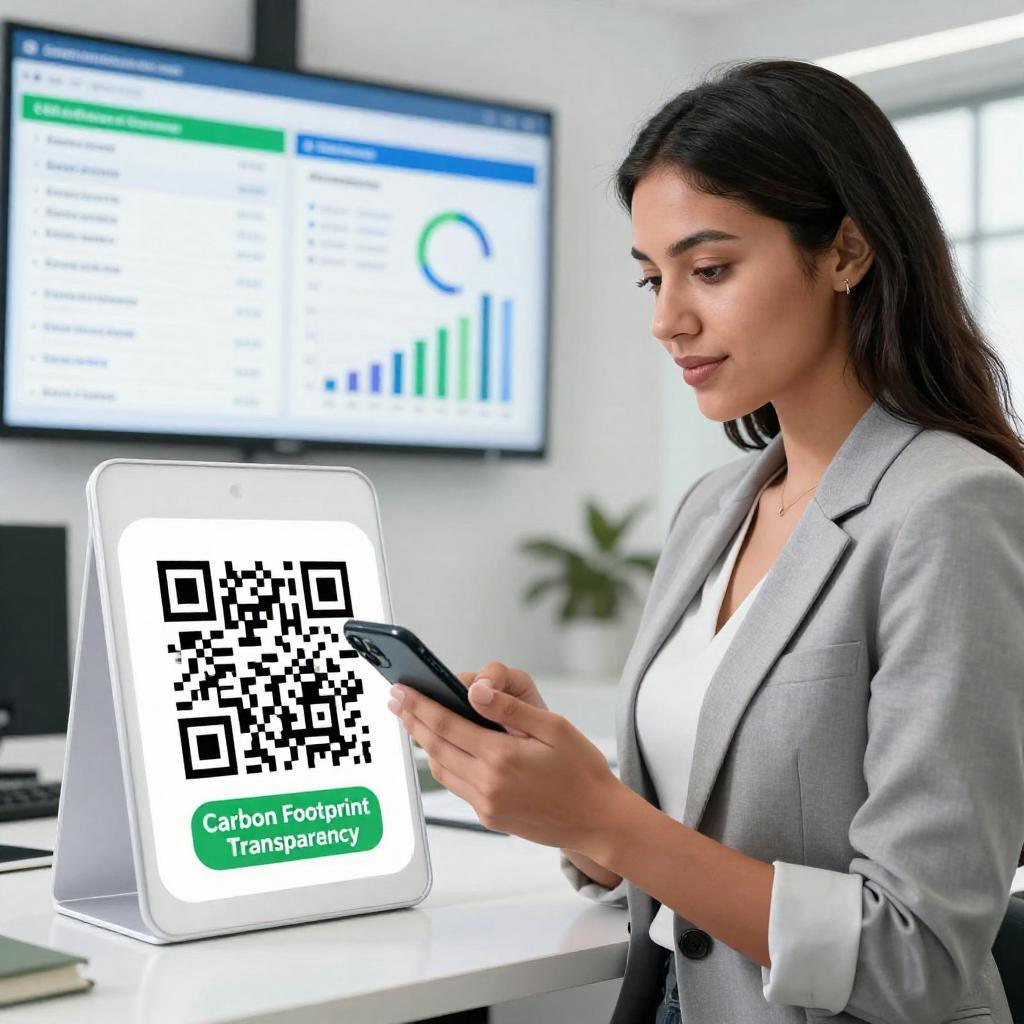
When patients can scan a code and instantly verify authenticity, brand trust rises as support costs fall. Pair on-pack verification with educational content, adherence tips, and adverse event reporting to amplify pharmacovigilance. Industry groups such as IFPMA emphasize multilayered defenses and collaboration; see IFPMA’s guidance on preventing falsified medicines for the broader context your engagement strategy should support.
Measuring Impact and Mitigating Risks
Define KPIs early: scan-to-sale rates, alert accuracy (false positives/negatives), time-to-quarantine, and recall effectiveness. Build contingencies for offline environments, counterfeiters’ evolving tactics, and data privacy rules by region. Training and change management are as critical as technology; without frontline adoption, even the best systems underperform. A maturity model that ties process discipline to analytics will keep improvements continuous and measurable.
Conclusion: Make Every Package a Trusted Touchpoint
QR-enabled track-and-trace turns packaging into a secure, two-way bridge between supply chains and patients. It’s where compliance meets growth—using QR codes in business to cut counterfeit risk, prove provenance, and fuel modern marketing strategies that sustain engagement long after purchase. Organizations that treat QR as a core capability, not a checkbox, will build safer supply networks and stronger brands in the same stroke.