IoT and QR Codes: Creating Smart Device Networks in the Physical World
Why QR-Enabled IoT Is Surging
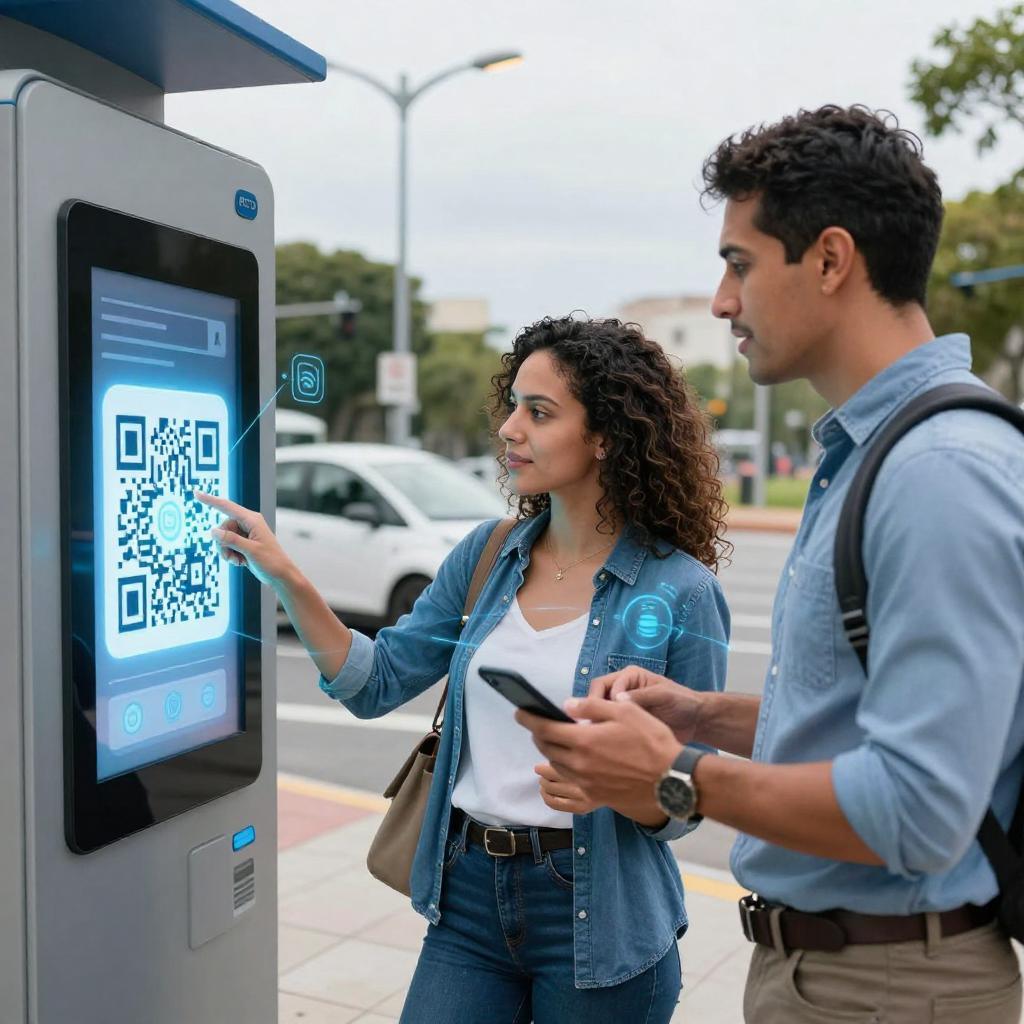
QR codes have matured from simple links into low-cost addresses for the Internet of Things, turning packages, machines, and places into scannable entry points to data and services. For leaders focused on QR codes in business, the payoff is practical: faster operations, measurable customer engagement, and reliable product authenticity. As digital transformation tools, QR codes act like a user-friendly interface to the physical world—bridging edge devices, cloud services, and modern marketing strategies without expensive custom hardware.
From Static Labels to Live Digital Threads
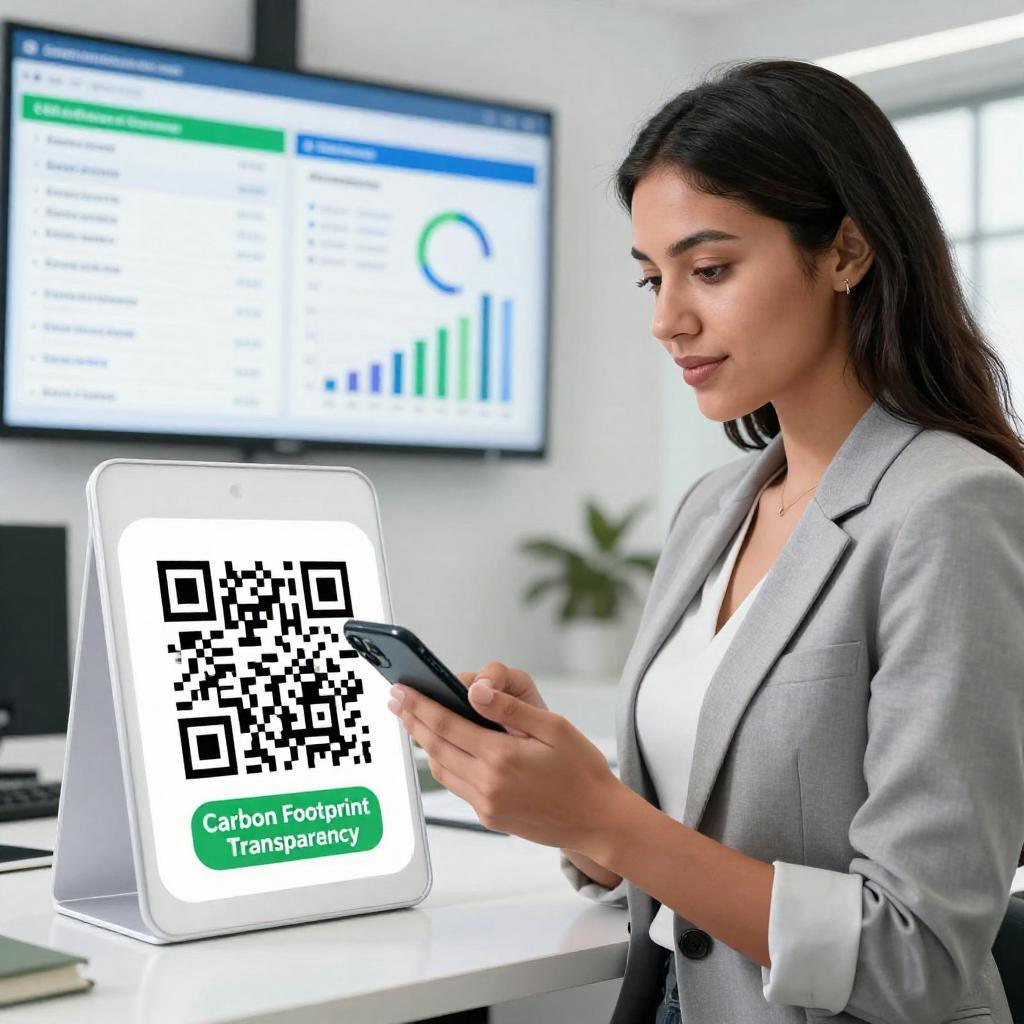
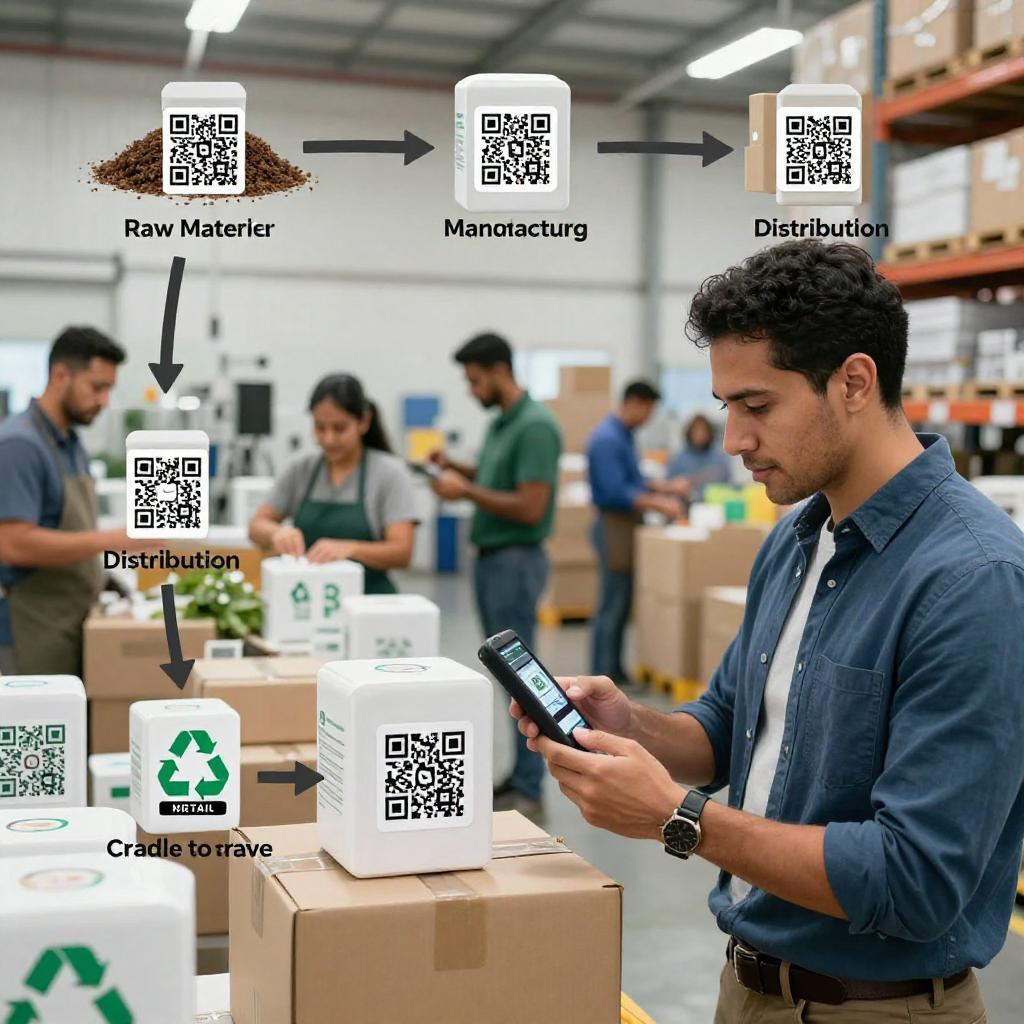
Replacing static labels with dynamic QR endpoints creates a living digital thread for every asset. A scan can surface product passports, configuration profiles, sustainability disclosures, or warranty status in real time. Marketers can rotate content by region, time, or campaign, while operations teams update service instructions on the fly. This single scannable touchpoint supports personalization, first‑party data consent, and post‑purchase journeys—core building blocks of modern marketing strategies that keep customers engaged beyond checkout.
Reducing Friction in Maintenance and Service
In the field, a QR-enabled device becomes self-describing: technicians scan to see a digital twin, last known telemetry, parts availability, and guided workflows. Onboarding new equipment is equally streamlined—scan to provision, pair, and record chain-of-custody. These workflows reduce truck rolls and mean time to repair while improving compliance documentation. For CFOs evaluating QR codes in business, this is hard-dollar ROI delivered through fewer errors, faster resolutions, and cleaner data flowing into ERP and asset systems.
Standards That Make QR + IoT Work at Scale
Scalability hinges on open standards. The GS1 Digital Link standard turns on-pack and on-device codes into web addresses tied to globally unique product identifiers, enabling consistent experiences across retailers, service providers, and geographies. As retailers accelerate 2D barcode adoption (e.g., Sunrise 2027 initiatives), Digital Link ensures that the same QR can serve point-of-sale needs, traceability, and consumer engagement—reducing label clutter while strengthening governance.
Security and Governance Fundamentals
Security isn’t optional when QR codes route users and systems to operational data. Organizations should align device capabilities, patching, and identity controls to the NISTIR 8259A IoT Device Cybersecurity Capability Core Baseline. Treat every scan as an authentication event: apply signed redirects, enforce least-privilege API access, and log provenance for audits. Pairing QR with robust governance—versioned content, role-based access, and automated revocation—keeps convenience high without opening attack surfaces.
Interoperability and Developer Velocity
To avoid vendor lock-in and brittle integrations, align your architecture to the W3C Web of Things Architecture 1.1. WoT Thing Descriptions standardize how devices expose capabilities, making QR-triggered interactions predictable across gateways, clouds, and apps. This reduces bespoke code, improves testability, and speeds iteration—critical for digital transformation tools that must scale from pilot to portfolio while keeping total cost of ownership in check.
Business Value and Modern Marketing Strategies
IoT + QR programs deliver value on both sides of the P&L: operational efficiency and revenue growth. According to McKinsey’s latest analysis of IoT value creation, the opportunity is accelerating as data pipelines improve and use cases mature. In practice, brands use QR to capture consented first‑party data, run location-aware offers, and orchestrate service-to-sales handoffs—hallmarks of modern marketing strategies that convert ownership moments into lifetime relationships.
Conclusion: Make Every Physical Touchpoint Smart
The fastest path to smart, connected experiences is often the simplest: pair your IoT backbone with standards-based QR codes, govern them like product APIs, and measure outcomes relentlessly. Start with a narrow use case (e.g., service onboarding or post‑purchase engagement), adopt GS1 Digital Link for global interoperability, align security to NISTIR 8259A, and model interactions with W3C WoT. The takeaway is clear: QR + IoT is a pragmatic, scalable, and secure way to turn physical touchpoints into durable digital value.