Insurance Claims Revolution: QR Code Verification for Faster Processing
Why QR Code Verification Changes Claims Operations
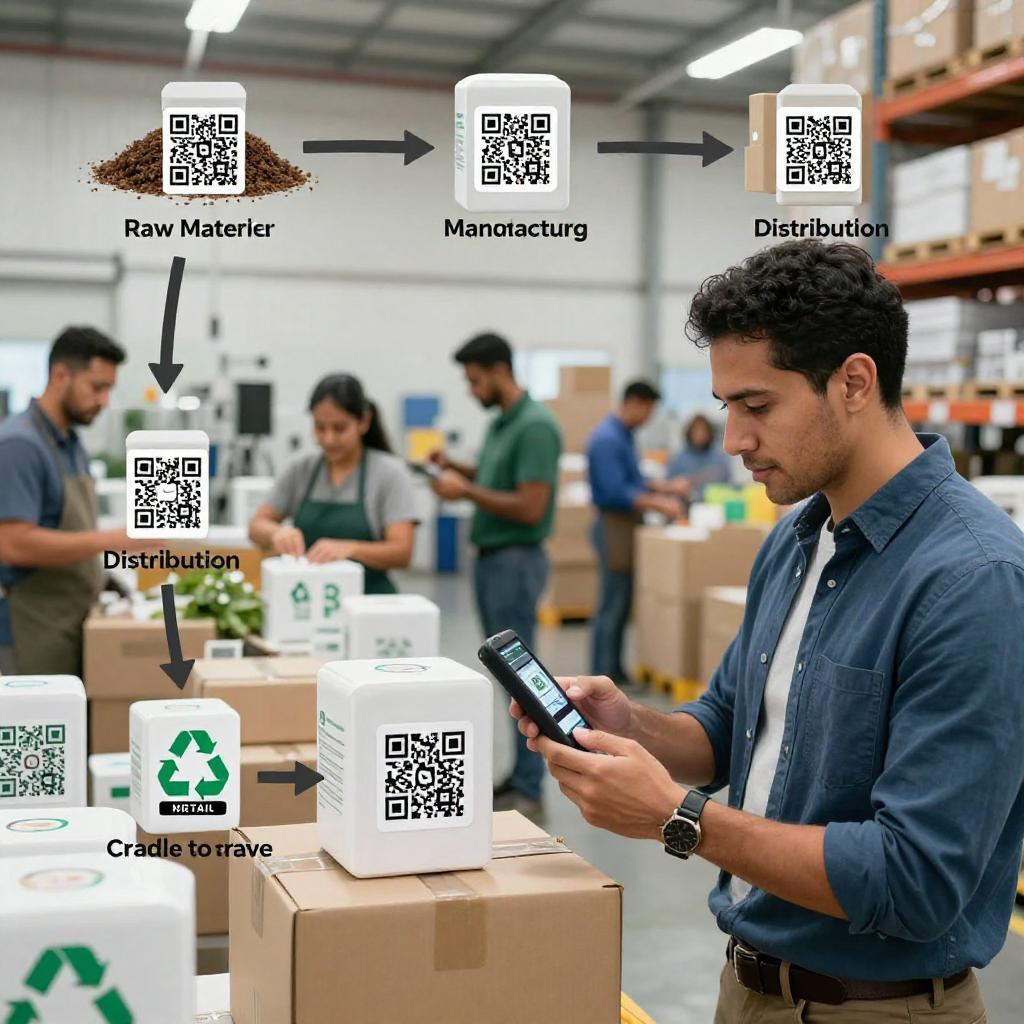
Claims organizations are under pressure to move faster without sacrificing accuracy, security, or customer trust. QR codes in business are no longer just for menus and marketing—they are becoming digital transformation tools that let carriers, TPAs, and health administrators verify documents, policies, and identities in seconds. By embedding cryptographically signed data into a scannable code on invoices, medical bills, repair estimates, or policy letters, adjusters can validate authenticity at intake, trim manual checks, and accelerate cycle times while improving the customer experience.
From Paper Trails to Instant Validation
Traditional claims workflows rely on paper attachments, PDF uploads, and phone-based verification, creating friction and opportunities for fraud. A QR code stamped on every claim-critical document turns each artifact into a verifiable object: scan, decode, and confirm source, timestamp, and integrity. This is especially valuable in health and auto repair contexts where dozens of line items need to be trusted quickly. Solutions built around secure QR codes for insurance and medical claims demonstrate how instant validation can streamline adjudication and reduce disputes.
The Trust Layer: Cryptographic QR Codes
Modern QR verification goes beyond simple URLs. Digitally signed payloads allow offline validation, tamper-evidence, and granular data controls (e.g., only exposing what an adjuster needs to see). This trust layer shrinks fraud vectors like doctored invoices or reused receipts. For carriers, it also creates audit-ready trails tied to each scan, supporting regulatory compliance. Crucially, the implementation can be lightweight—codes can be printed, embedded in PDFs, or displayed in customer portals—making them practical digital transformation tools that complement, not replace, existing systems.
Integration Across the Claims Stack
QR verification is most powerful when it plugs into the entire claims stack: FNOL intake, policy admin, fraud scoring, vendor management, and payment. For example, an adjuster scanning a code at FNOL could auto-populate claim fields, trigger business rules, and push data to analytics platforms like Verisk XactAnalysis claims analytics for benchmarking and severity insights. This reduces rekeying, shortens touch time, and gives leaders clearer operational telemetry—all while keeping data provenance intact.
Linking FNOL to Back-Office Systems
To maximize value, QR payloads should be mapped to core data models and third-party datasets. Pairing QR-based document assurance with external verification, such as ISO ClaimSearch data integration, can instantaneously cross-check entities, spot suspicious patterns, and preempt unnecessary escalations. The outcome: straight-through processing for clean claims and guided workflows for complex ones, with fewer handoffs and faster settlements.
Fraud Mitigation and Compliance Impacts
Fraud rings exploit slow, manual verification to slip through altered estimates or duplicate submissions. Embedding verification at the document level changes the game—each scan becomes a validation checkpoint and a compliance event. Industry resources describing the operational benefits of ISO ClaimSearch for adjusters show how verified data reduces false positives and accelerates legit claims. QR codes reinforce this by ensuring the documents feeding those systems are authentic from the start, tightening the link between evidence, policy, and payment.
Metrics, ROI, and Change Management
Start with measurable targets: reduce cycle time by X days, cut manual verification minutes per claim, increase straight-through rates, and lower supplemental rework. Pair those with qualitative gains—better claimant satisfaction, higher adjuster capacity, and clearer audit trails. Treat QR verification like any modern marketing strategies initiative: pilot with a focused line (e.g., windshield, minor BI, outpatient), co-design training for adjusters and vendors, and communicate the value to customers. The message resonates: fast, transparent, and secure claims powered by trustworthy, scannable artifacts.
Roadmap for Insurers and TPAs
Adopt a phased roadmap: 1) instrument high-volume documents with signed codes, 2) embed scanning in portals and mobile apps, 3) integrate with policy, fraud, and analytics engines, and 4) scale to partners and providers. As QR codes in business mature, they will sit alongside APIs, AI document parsing, and cloud orchestration to create a resilient, low-friction claims backbone. The takeaway is simple and compelling: QR code verification is a pragmatic, high-impact upgrade that accelerates processing, safeguards integrity, and strengthens customer trust—exactly the kind of outcome worthy of today’s digital transformation tools.